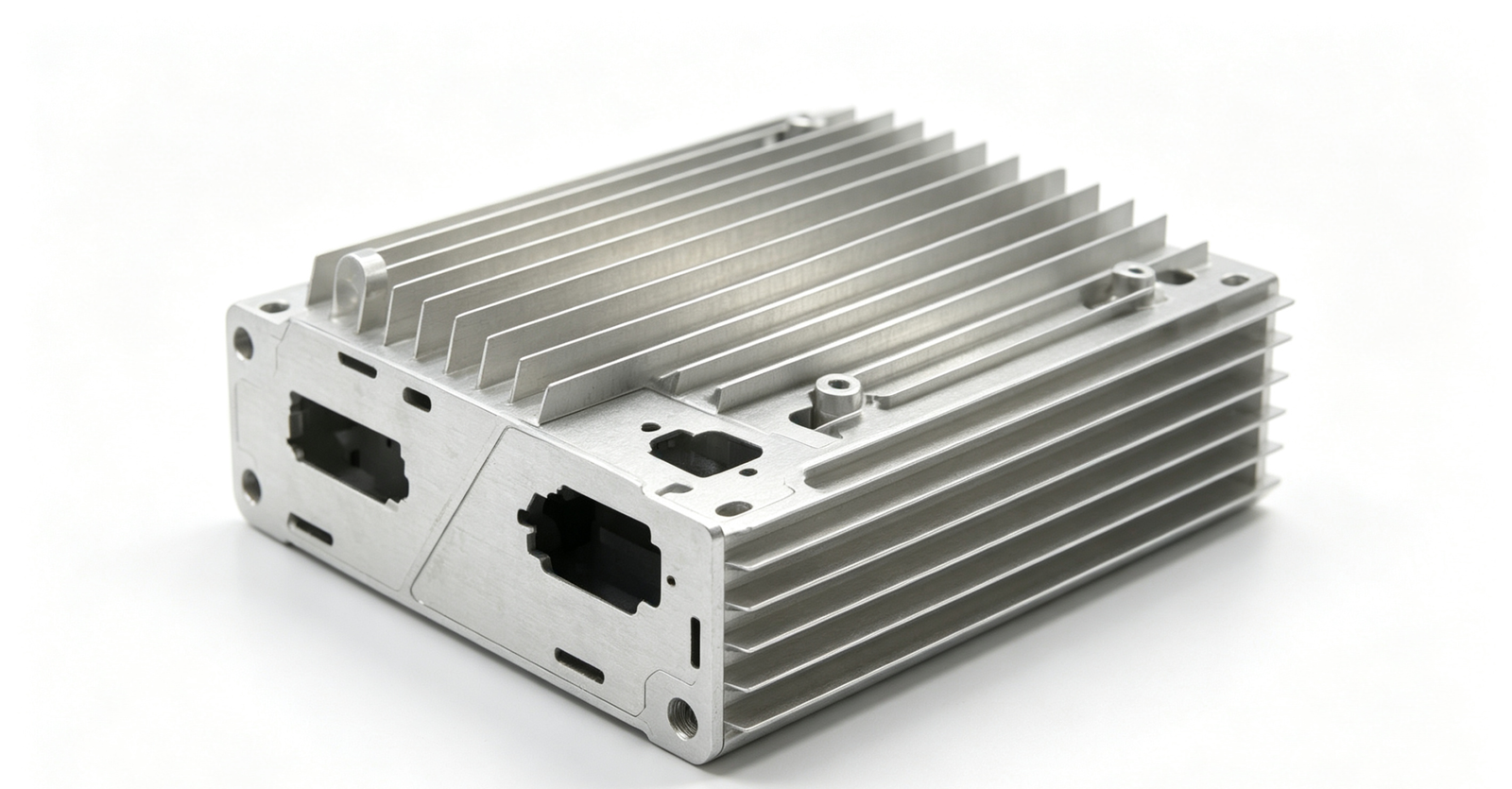
The Titanium & High-Performance Alloy Problems That Make Most Shops Quit — and How aximetal Solves Them

Titanium and high-performance alloys are 2–3× harder to machine than aluminum or steel, and 80% of shops that try them fail because of tooling, coolant, or parameter issues. These are the four most common problems we solve.

Problem 1 — Galling & Tool Wear from Wrong Machining Parameters

Core Pain:"My Ti6Al4V part was machined by a general CNC shop. The surface is galled, the dimensions are out of tolerance, and they burned through 6 end mills on one part. The part is unusable, and I paid for 6 ruined tools."

Aximetal Solutions: We machine titanium and high‑performance alloys with dedicated tooling, parameters, and coolant: (1) dedicated tooling — solid carbide end mills with high‑heat coatings (AlTiN, TiSiN), variable helix geometry to reduce chatter, sharp cutting edges to avoid work hardening; (2) optimized parameters — lower surface speed (30‑60 m/min for Ti6Al4V, vs. 100‑300 m/min for steel), higher feed per tooth (0.05‑0.15 mm/tooth), shallow radial depth of cut (10‑25% of tool diameter) to reduce heat; (3) high‑pressure coolant — 70‑100 bar through‑tool coolant, directed exactly at the cutting zone, to flush chips and reduce heat (flood coolant doesn't work for titanium because steam blocks the cutting zone); (4) climb milling — we use climb milling (not conventional) for titanium to reduce work hardening and improve surface finish; (5) tool life monitoring — we track tool life and change tools at 80% of expected life (not after failure). Our typical tool life for Ti6Al4V: 2‑3 hours per end mill (vs. 15‑30 minutes for general shops). Surface finish: Ra ≤ 0.8μm standard, Ra ≤ 0.4μm with finish pass.

Problem 2 — Surface Defects Causing Fatigue Cracking

Core Pain:"My titanium bicycle frame components look fine visually, but after 3 months of riding, they're cracking at the machined surfaces. The material is Ti6Al4V, the dimensions are correct — but the surface has micro‑cracks from machining that propagate under fatigue loading."

Aximetal Solutions: We control surface quality for fatigue‑critical titanium parts: (1) stable machining — we use rigid fixturing, sharp tools, and optimized parameters to eliminate chatter; (2) finish pass — we always leave 0.1‑0.2 mm for a finish pass with a new, sharp tool, at reduced feed and depth, to achieve Ra ≤ 0.4μm; (3) surface treatment — for fatigue‑critical parts, we offer: (a) chemical milling / acid pickling to remove the alpha‑case (oxygen‑enriched surface layer that's brittle); (b) shot peening to introduce compressive residual stress (improves fatigue life 2‑3×); (c) polishing / electropolishing to remove surface defects; (4) contamination control — we use dedicated tooling and work areas for titanium (no cross‑contamination with steel), and we clean parts with acid pickling to remove iron contamination; (5) inspection — we verify surface finish with a roughness tester, and we can provide surface topography analysis (white light interferometer) for critical parts. On a recent titanium bicycle crank project, we improved fatigue life from 3 months to 3+ years by: (1) eliminating chatter with rigid fixturing; (2) adding a finish pass at Ra ≤ 0.4μm; (3) acid pickling to remove alpha‑case; (4) shot peening for compressive residual stress.

Problem 3 — Heat Treatment Distortion & Surface Contamination

Core Pain:"My Ti6Al4V parts were solution‑treated and aged to achieve HRC 36‑38. But after heat treatment, they're distorted 0.3 mm — beyond the grinding allowance. Also, the surface has a golden/brown discoloration (alpha‑case) that's hard and brittle. I can't machine it off without removing too much material."

Aximetal Solutions: We control titanium heat treatment with vacuum furnaces and distortion prevention: (1) vacuum heat treatment — all titanium heat treatment is done in vacuum furnaces (≤10⁻⁴ Pa) or with inert gas (argon) backfill, to prevent alpha‑case formation. No air heat treatment for titanium; (2) stress relief before hardening — we stress‑relieve machined parts at 550‑650 °C for 2‑4 hours (in vacuum) before solution treatment, reducing machining stresses by 80‑90%; (3) fixture‑based heat treatment — we use graphite or ceramic fixtures to support parts during heat treatment, preventing gravity‑induced distortion; (4) controlled cooling — we use controlled furnace cooling or argon gas quenching (not water/oil quench, which causes distortion and contamination); (5) alpha‑case removal — if any alpha‑case forms (unlikely with vacuum, but possible at edges), we remove it with chemical milling (HF/HNO3 solution) or light grinding, with dimensional verification; (6) post‑heat treatment straightening — if distortion occurs, we straighten parts at 400‑500 °C (warm straightening) before aging; (7) hardness verification — we verify hardness with Rockwell (HRC) or Vickers (HV) at multiple points per part. Our typical heat treatment results: distortion ≤0.05 mm (vs. 0.3 mm for air heat treatment), no alpha‑case, hardness within ±2 HRC of target.

Problem 4 — Material Certification & Traceability Gaps

Core Pain:"My titanium parts were supplied with a 'material certificate' that says 'Ti6Al4V' but doesn't have chemical composition, mechanical properties, heat number, or supplier information. My customer's quality audit requires full traceability — I'm going to fail the audit and lose the contract."

Aximetal Solutions: We provide full material traceability for every titanium and high‑performance alloy part: (1) Mill Test Reports (MTR) — every material batch comes with a full MTR from the mill, including: heat number, chemical composition (15+ elements, verified by spectrometer), mechanical properties (tensile strength, yield strength, elongation, reduction of area, hardness), material specification (ASTM B348 for titanium bar, AMS 4928 for Ti6Al4V, etc.), supplier name and location, heat treatment condition (annealed, solution‑treated + aged, etc.); (2) incoming inspection — we verify every material batch with: (a) XRF (X‑ray Fluorescence) spectrometer to verify chemical composition; (b) hardness test to verify heat treatment condition; (c) visual inspection for surface defects; (3) material traceability — every finished part is traceable to its raw material heat number, via our job traveler (which records material heat number, machine, operator, tooling, inspection results); (4) material certification with every shipment — we include: (a) copy of the original MTR; (b) our incoming inspection report; (c) material traceability document linking finished parts to heat number; (5) special certifications — for aerospace: AMS specifications, NADCAP (if required); for medical: ISO 13485, biocompatibility (ISO 10993); for motorsports: FIA specifications; (6) positive material identification (PMI) — for critical parts, we can provide PMI testing (XRF) on every finished part, with a report. We only source titanium and high‑performance alloys from qualified, audited suppliers (ATI, Timken, VSMPO, etc.) — no "mystery metal" from unqualified sources. Send us your certification requirements — we'll tell you exactly what we can provide.

Aximetal Titanium & High-Performance Alloy Parts — Product Range by Material & Application

From Ti6Al4V bicycle parts to Inconel 718 aerospace components, medical titanium implants to titanium fasteners — every high-performance alloy part we manufacture is held to proper tooling, surface finish, heat treatment, and material traceability standards.

VIEW DETAIL

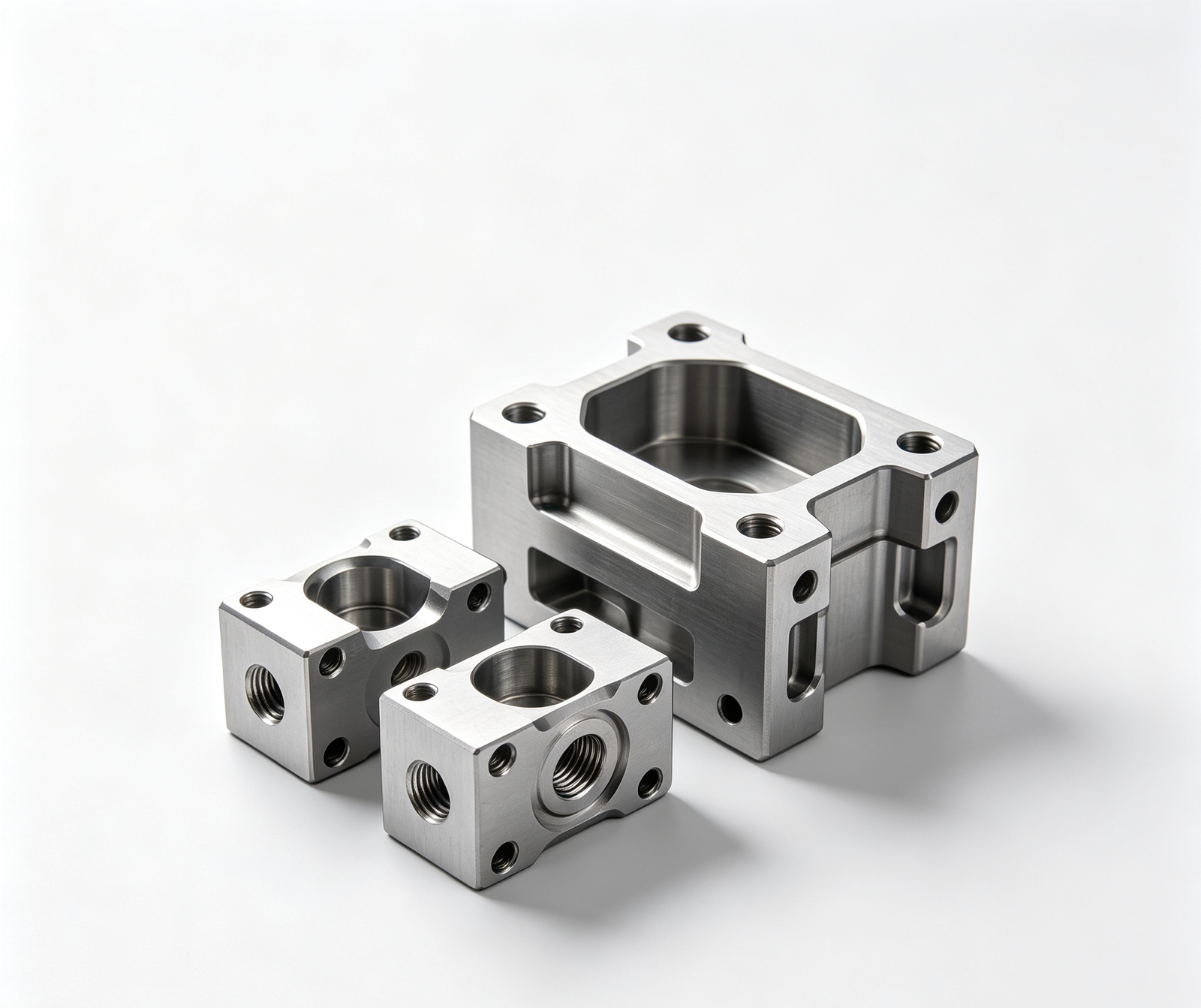
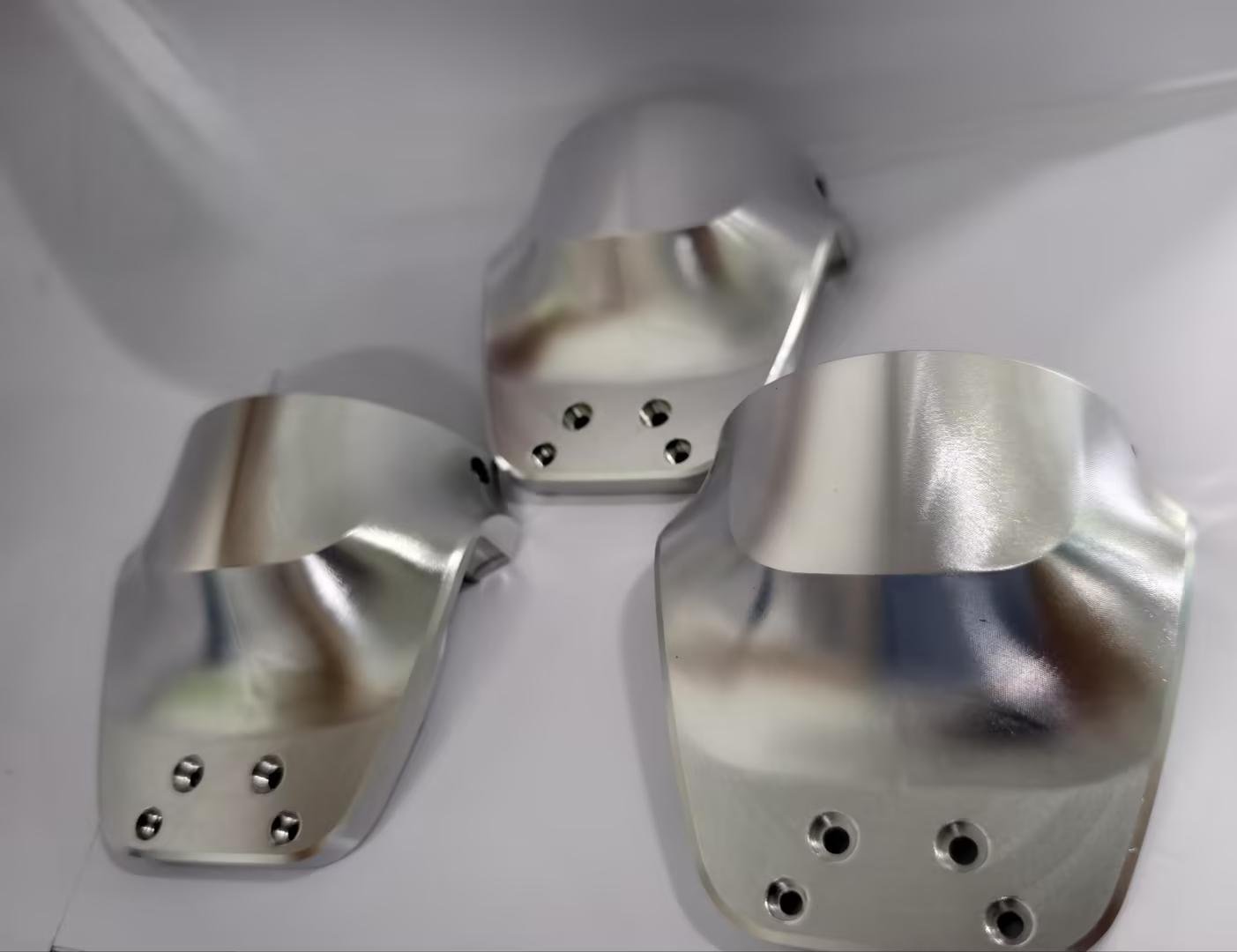
Ti6Al4V (Grade 5) Titanium Components

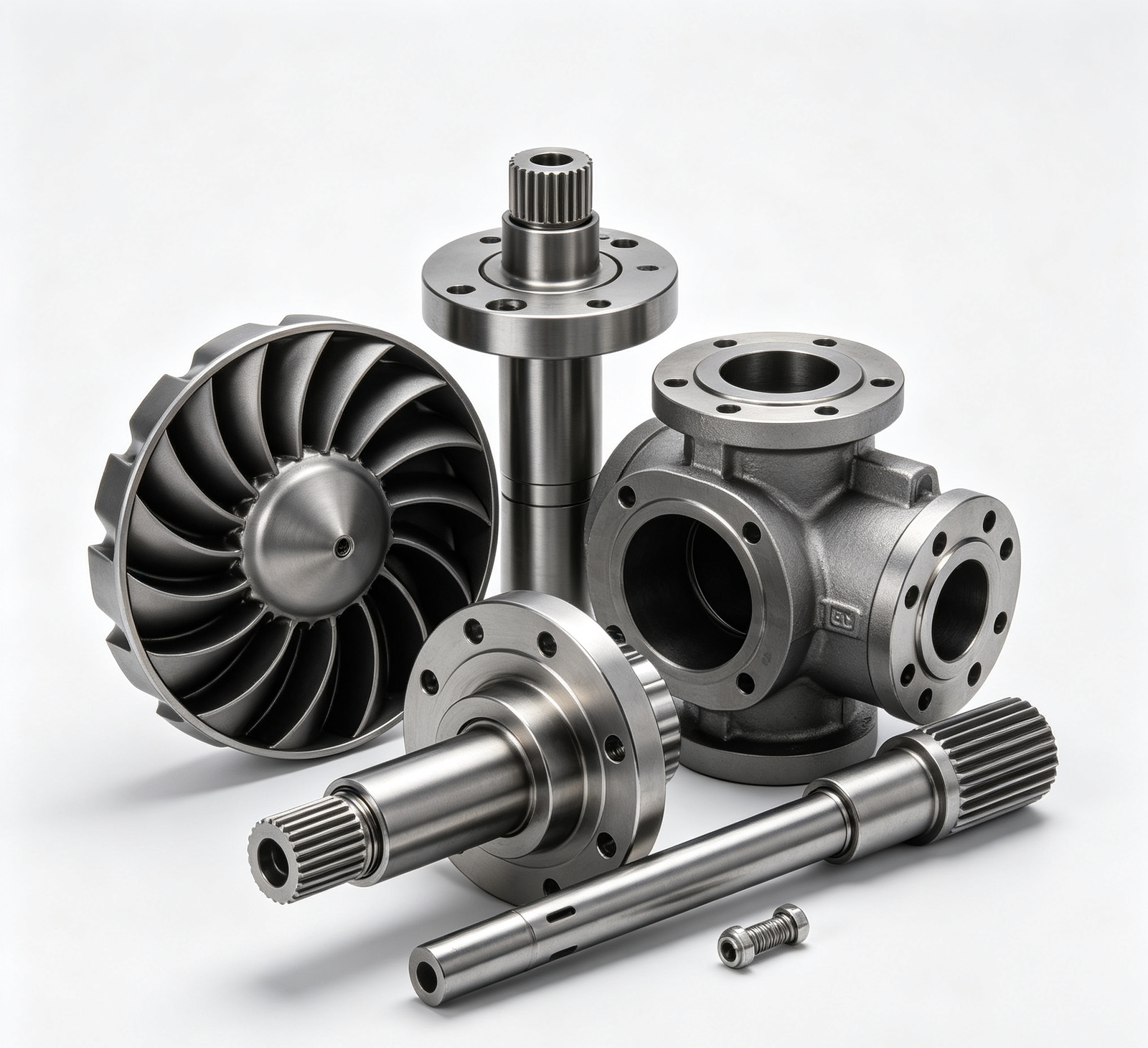
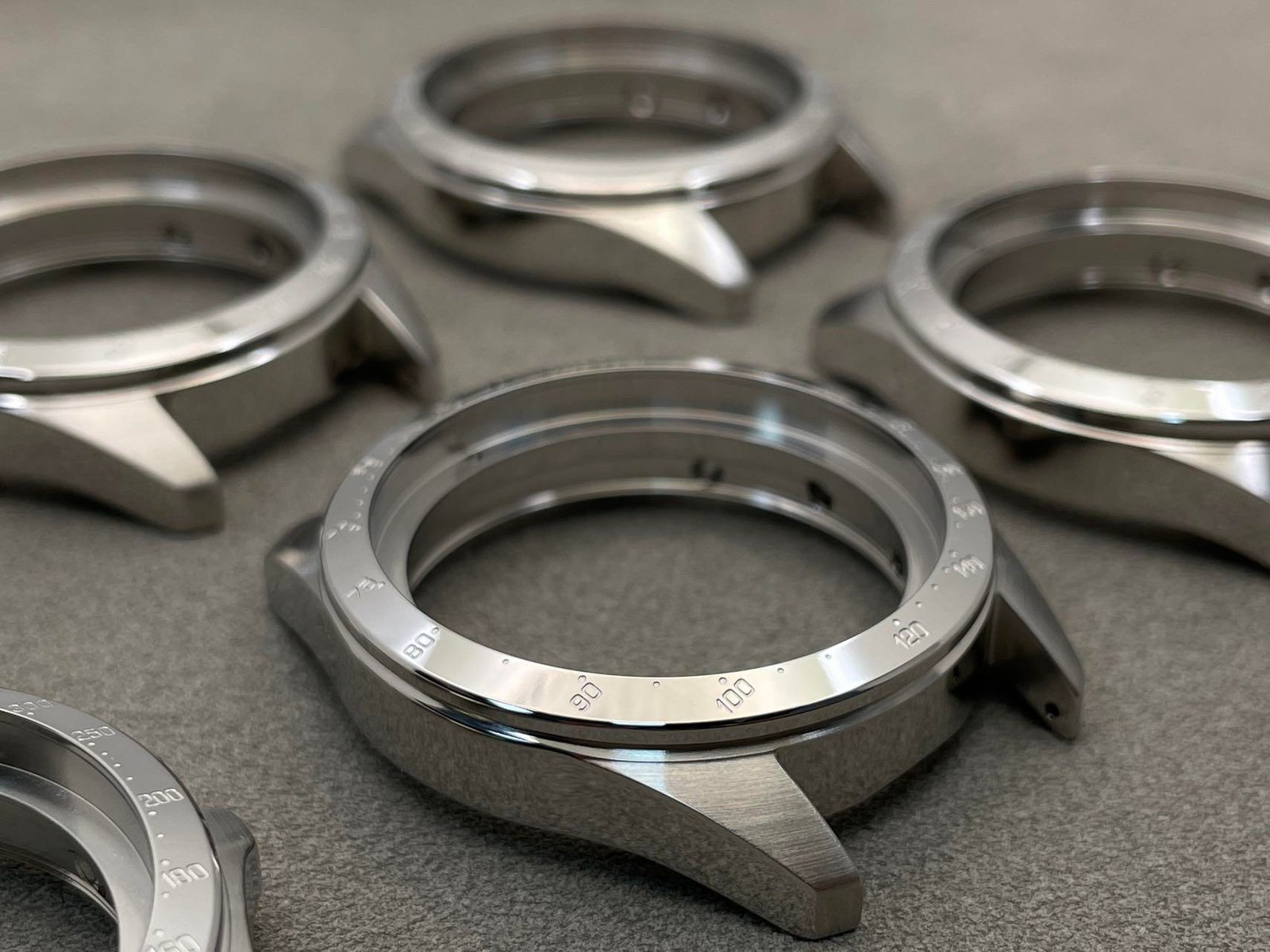
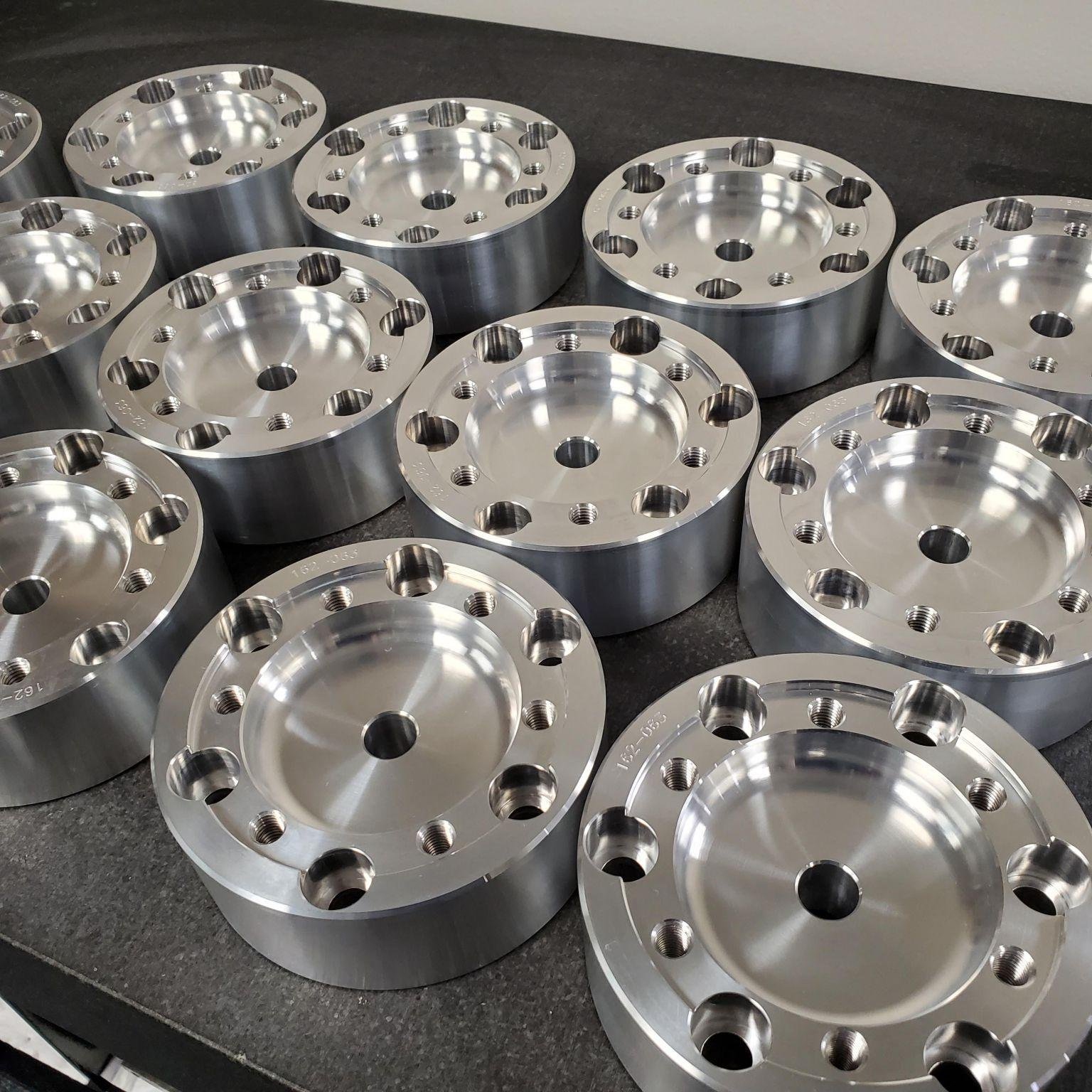
Precision CNC‑machined Ti6Al4V (Grade 5) titanium components. 5‑axis CNC for complex geometries. Dedicated carbide tooling with AlTiN coating, high‑pressure through‑tool coolant. Surface finish Ra ≤ 0.4μm (finish pass). Vacuum heat treatment (solution + age, HRC 36–38). Acid pickling / shot peening available. Full MTR + traceability. Applications: aerospace, medical, motorsports, bicycles, industrial.

Commercially Pure Titanium (Grade 2) Parts
VIEW DETAIL

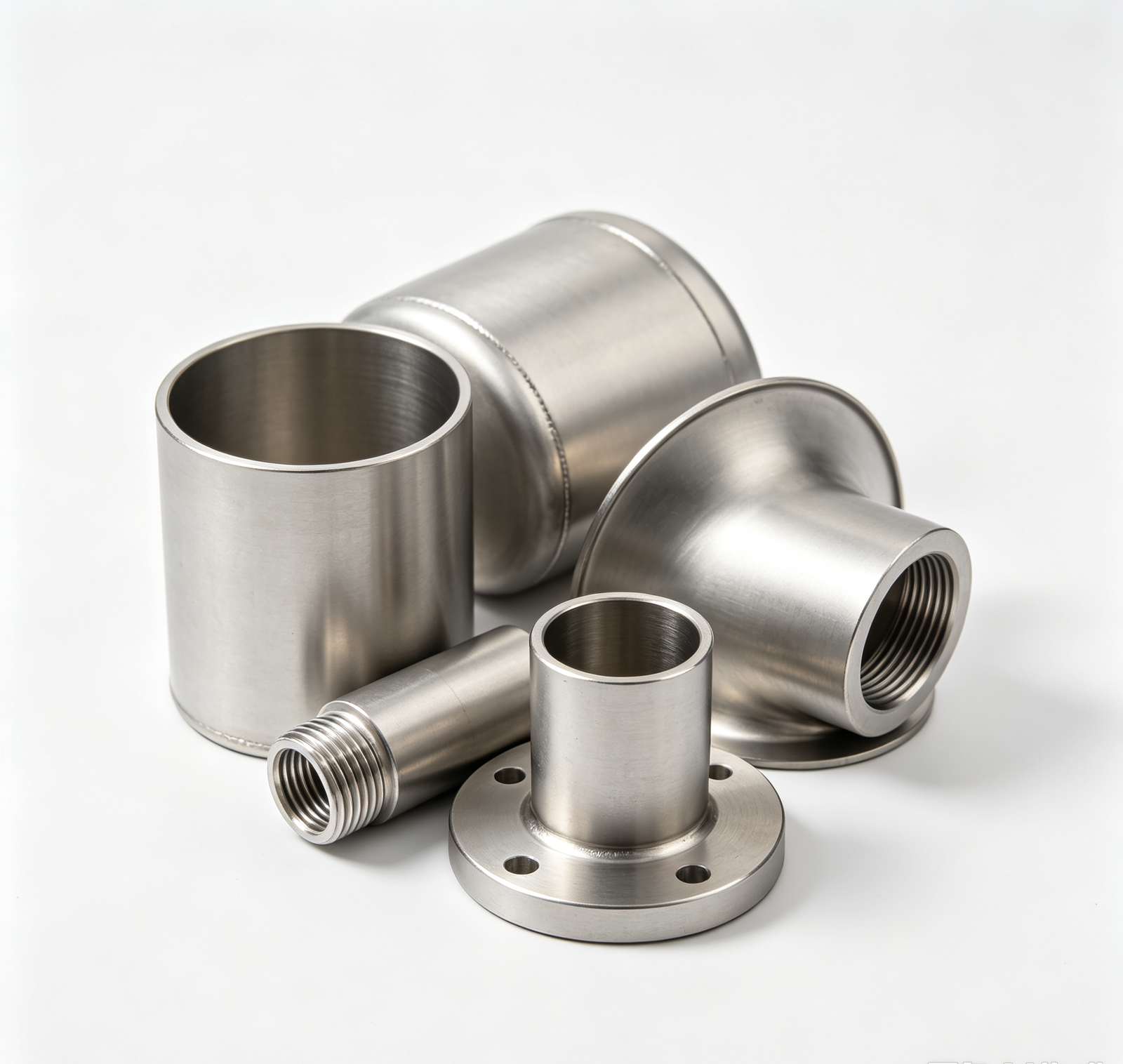
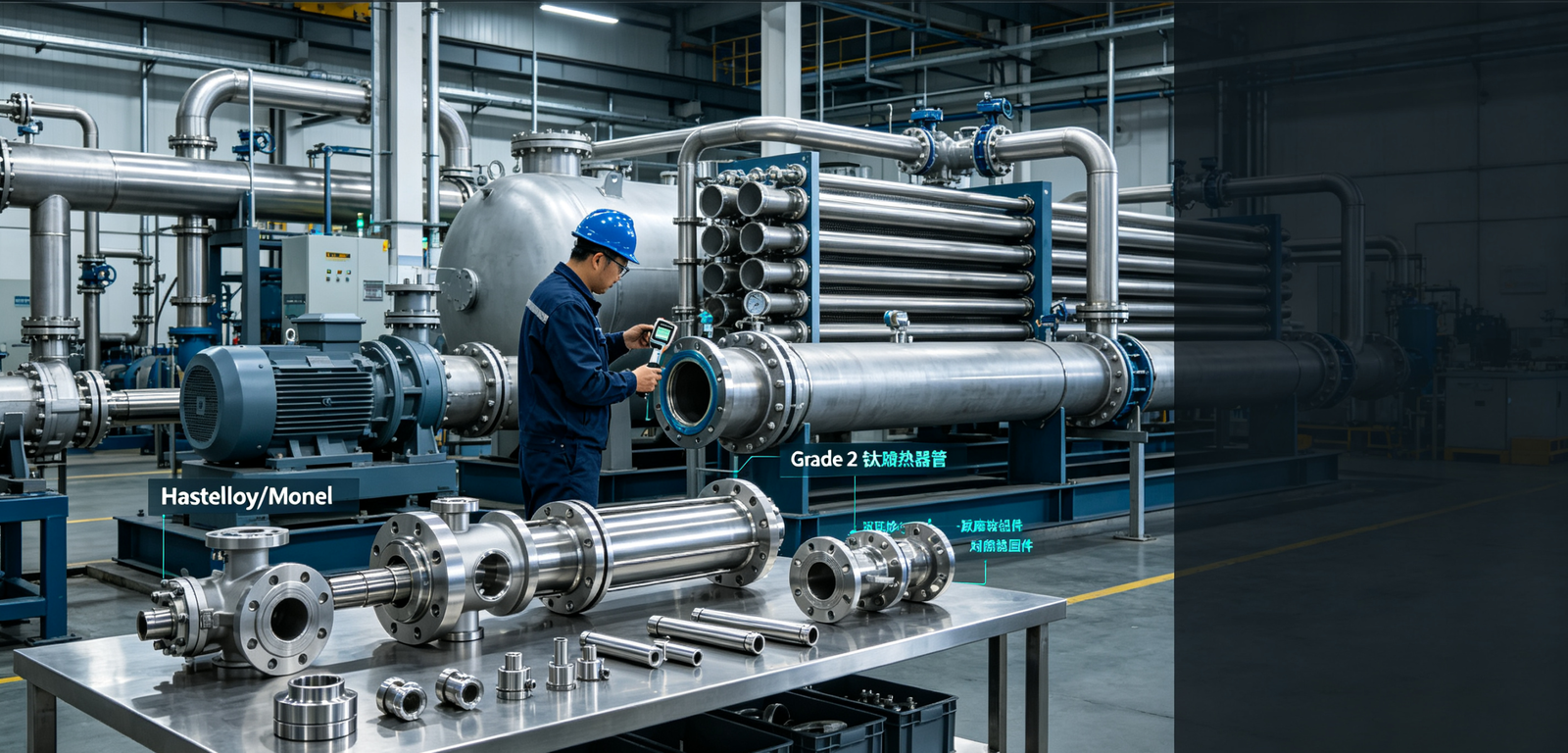
Commercially Pure Titanium (Grade 2) Parts

Precision CNC‑machined and formed commercially pure titanium (Grade 2) parts. Excellent corrosion resistance (seawater, chemical, medical). CNC machining, sheet metal forming, TIG welding (with inert gas shielding). Surface finish Ra ≤ 0.8μm. Annealed condition. Full MTR + traceability. Applications: chemical processing, marine, medical, heat exchangers, architectural.

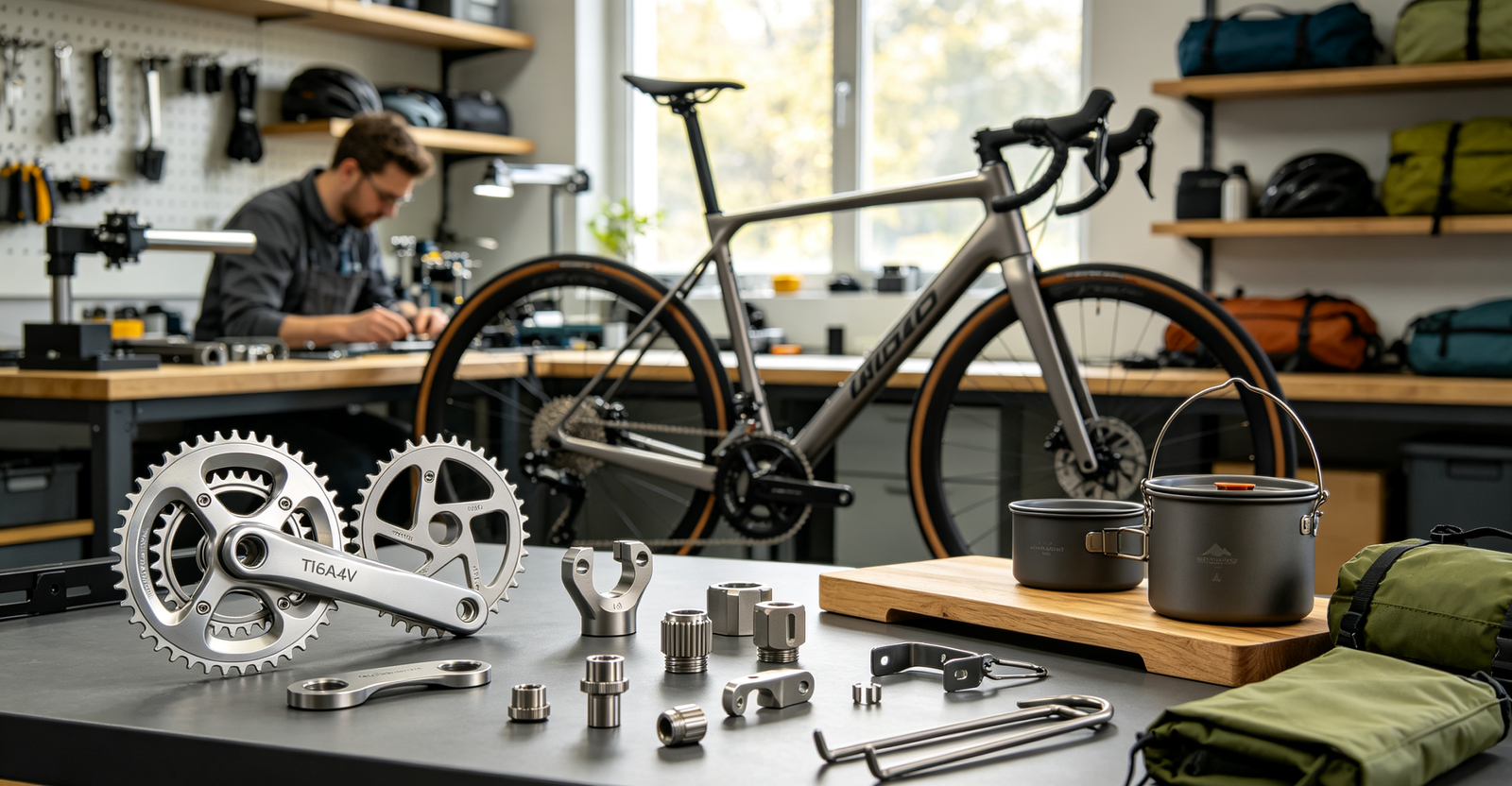
Titanium Bicycle & Outdoor Gear Components
VIEW DETAIL

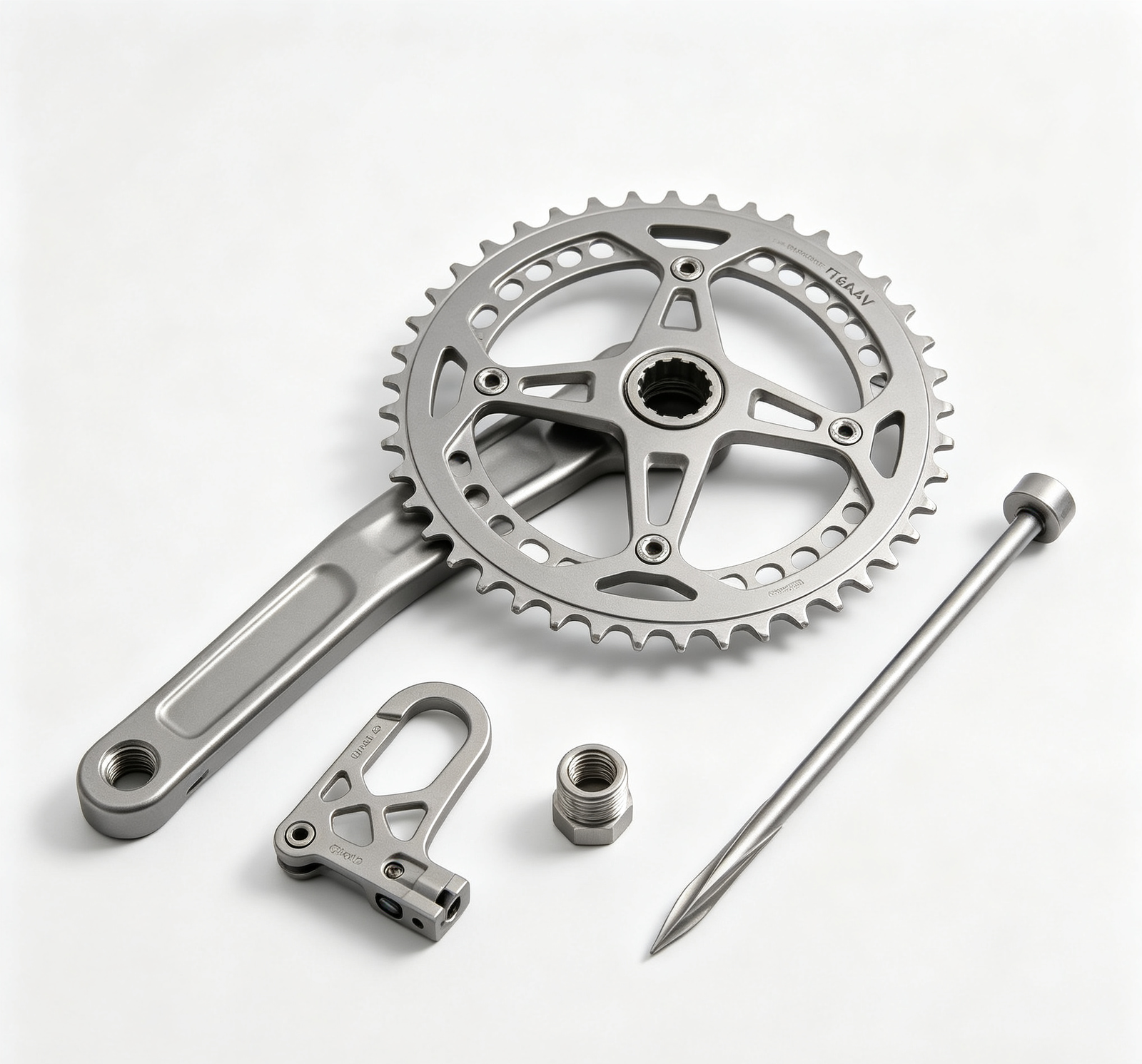
Titanium Bicycle & Outdoor Gear Components

Precision CNC‑machined titanium bicycle and outdoor gear components. Ti6Al4V for high‑stress parts (cranks, derailleur hangers, axle nuts), Grade 9 (3Al‑2.5V) for frame tubes. 5‑axis CNC for complex geometries. Surface finish Ra ≤ 0.4μm (fatigue‑critical). Shot peening for compressive residual stress. Lightweighting via pocketing and topology optimization. Custom geometries for small brands. Full MTR + traceability.

Medical Titanium Components (Non‑Implant)
VIEW DETAIL

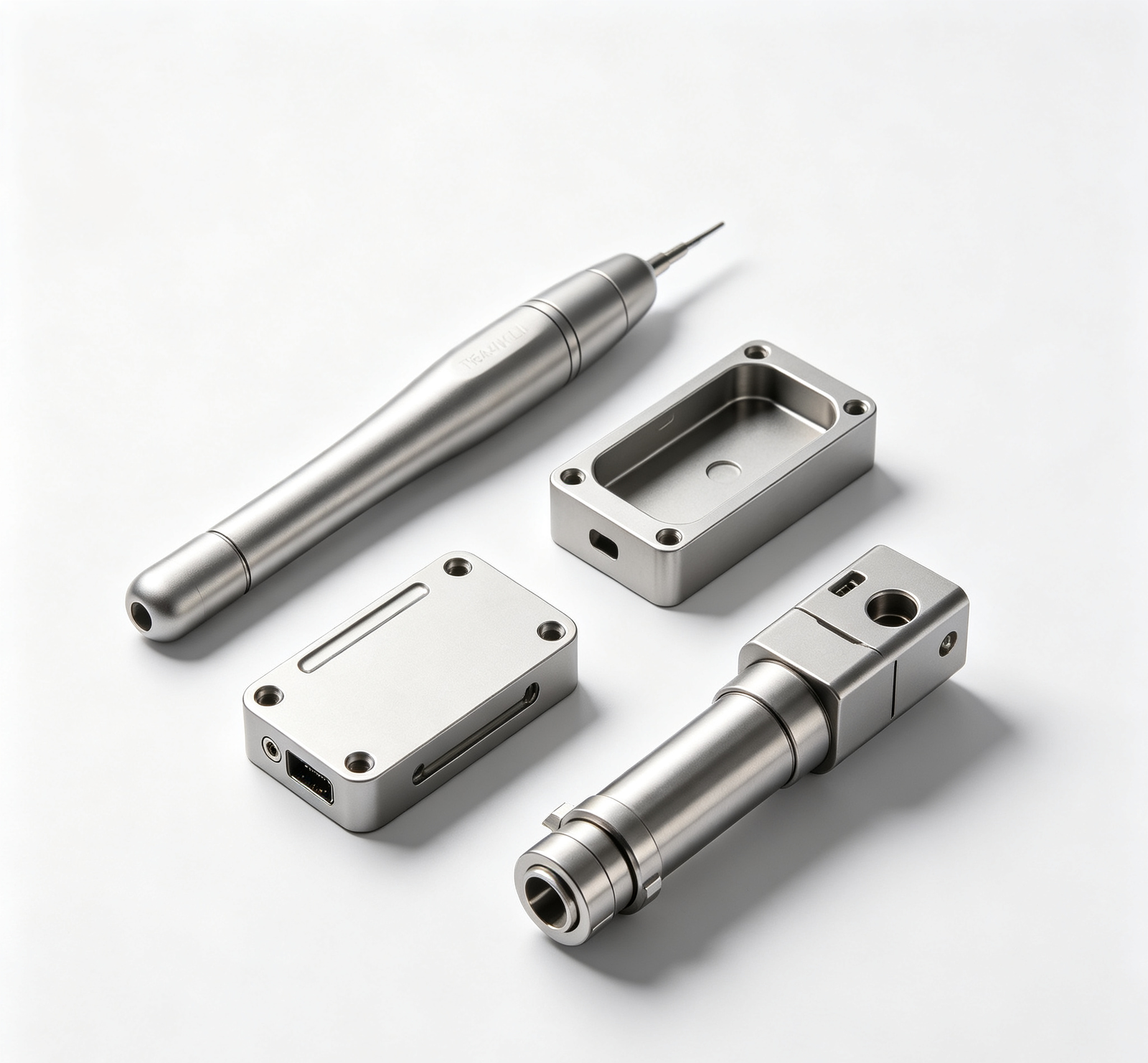
Medical Titanium Components (Non‑Implant)

Precision CNC‑machined medical titanium components (non‑implant: surgical instruments, diagnostic equipment, device housings, implant tooling). Ti6Al4V ELI (Extra Low Interstitial) for high‑fatigue applications, Grade 2 for general. Surface finish Ra ≤ 0.4μm (electropolished Ra ≤ 0.1μm available). Passivation / electropolishing for sterilization compatibility. Clean manufacturing (dedicated work area). Full MTR + traceability + ISO 13485 documentation. Biocompatibility certification (ISO 10993) available.

Inconel & High‑Temperature Alloy Parts
VIEW DETAIL

Inconel & High‑Temperature Alloy Parts

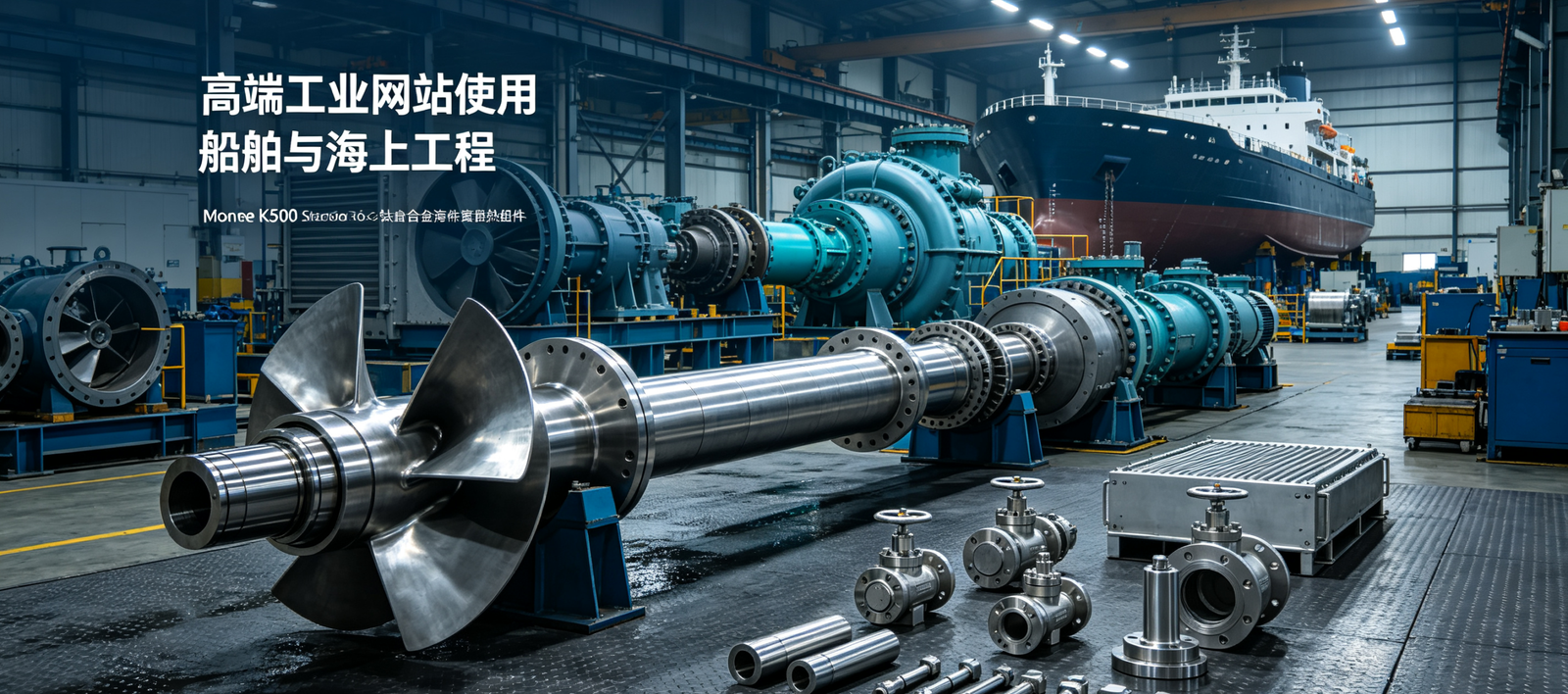
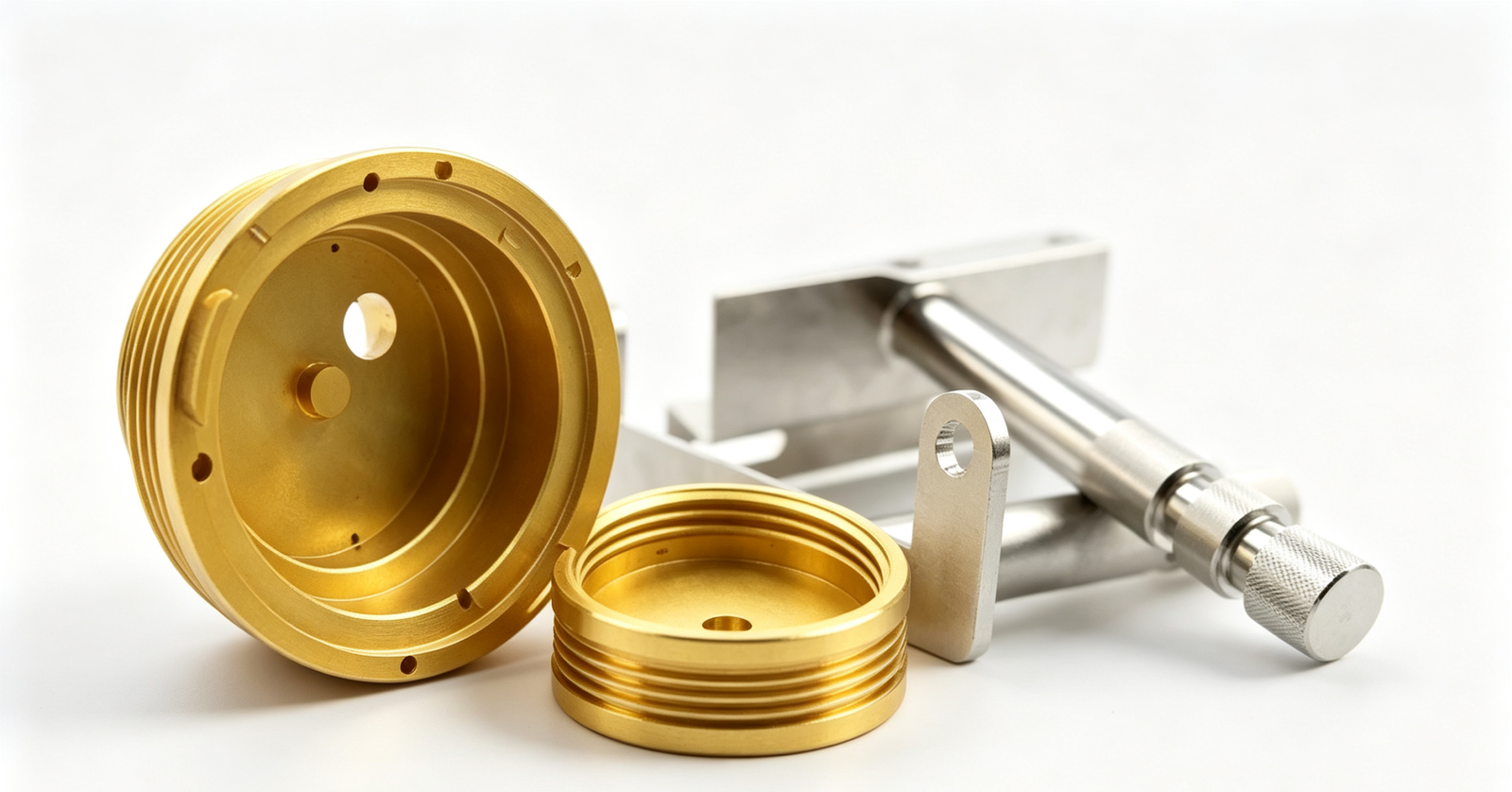
Precision CNC‑machined Inconel (718, 625, 600), Hastelloy (C276, X), Monel (400, K500), and other high‑temperature / high‑corrosion alloys. Dedicated ceramic or cermet tooling, optimized low‑speed/high‑feed parameters, high‑pressure coolant. 5‑axis CNC for complex geometries. Solution treatment + aging (vacuum). Surface finish Ra ≤ 1.6μm. Full MTR + traceability. Applications: aerospace turbine, chemical processing, energy, marine.

Titanium Fasteners & Hardware
VIEW DETAIL

Titanium Fasteners & Hardware

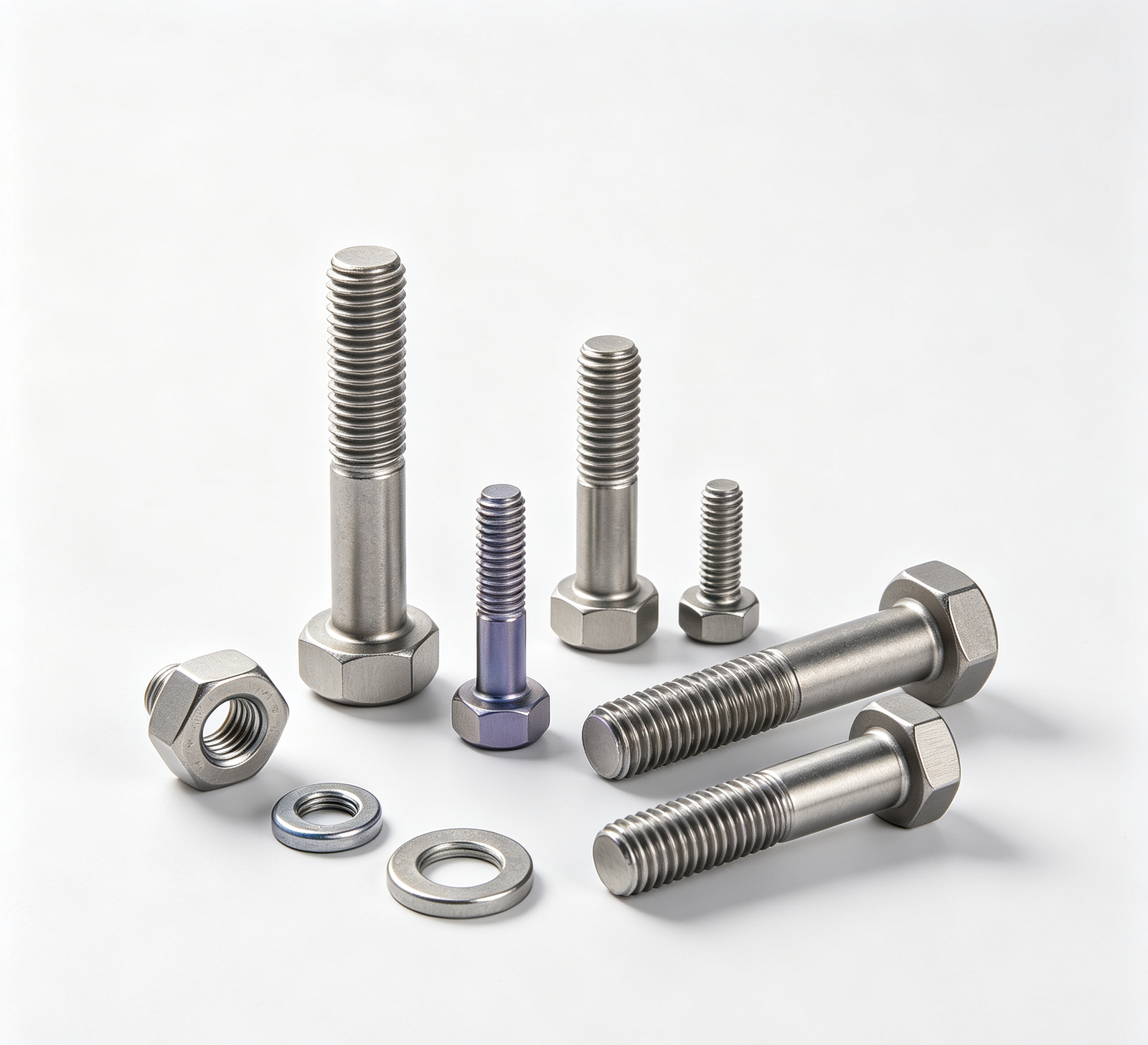
Precision CNC‑machined titanium fasteners and hardware — bolts, screws, nuts, washers, standoffs, spacers, custom fasteners. Ti6Al4V for high‑strength, Grade 2 for corrosion‑resistant. Rolled threads (stronger than cut threads). Surface treatment: dry film lubricant (to prevent galling), anodizing (color coding), PVD coating. Full MTR + traceability. Custom sizes and geometries. No MOQ.

Titanium & Alloy Heat Treatment & Surface Treatment
VIEW DETAIL

Titanium & Alloy Heat Treatment & Surface Treatment

Titanium and high‑performance alloy heat treatment and surface treatment services. Vacuum heat treatment (solution + age, stress relief, annealing) — no alpha‑case. Controlled distortion with fixture‑based processing. Surface treatment: acid pickling (alpha‑case removal), shot peening (compressive residual stress), electropolishing (Ra ≤ 0.1μm), anodizing (color + corrosion), PVD coating (wear resistance). Hardness verification + surface inspection. Full documentation.

Custom Titanium & High‑Performance Alloy Parts
VIEW DETAIL

Custom Titanium & High‑Performance Alloy Parts

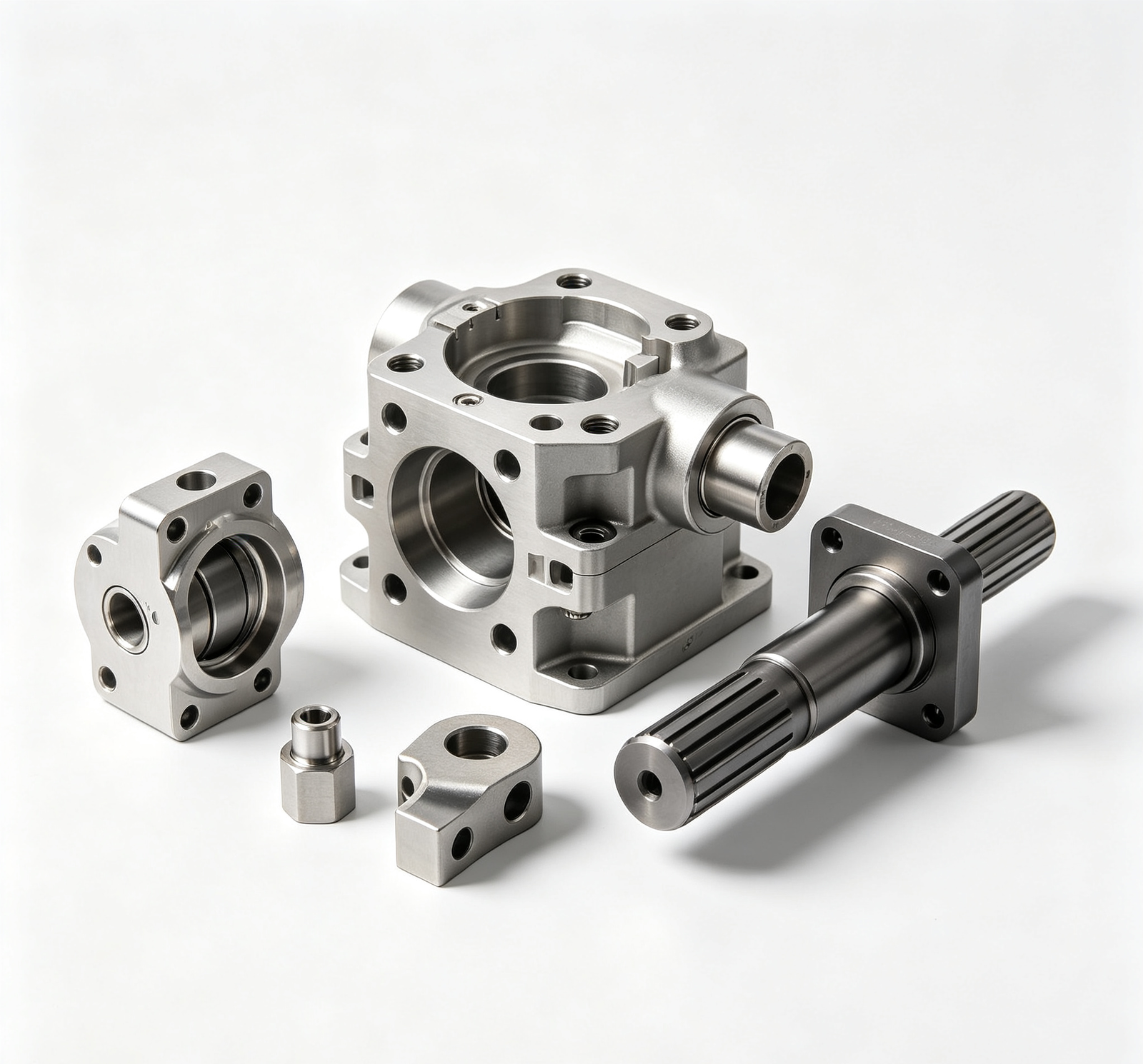
Complete custom titanium and high‑performance alloy part manufacturing — from your CAD drawing to finished part. 3‑axis/4‑axis/5‑axis CNC, turning, milling, EDM, wire cutting, sheet metal, welding. Materials: Ti6Al4V, Grade 2, Grade 9, Inconel, Hastelloy, Monel, high‑temperature stainless. Machinability review before quoting. DFM feedback. Heat treatment + surface treatment. Full MTR + traceability. Prototype in 10–20 days. No MOQ.

How aximetal Machines Titanium & High-Performance Alloys Right — Dedicated Tooling, Parameters & Coolant

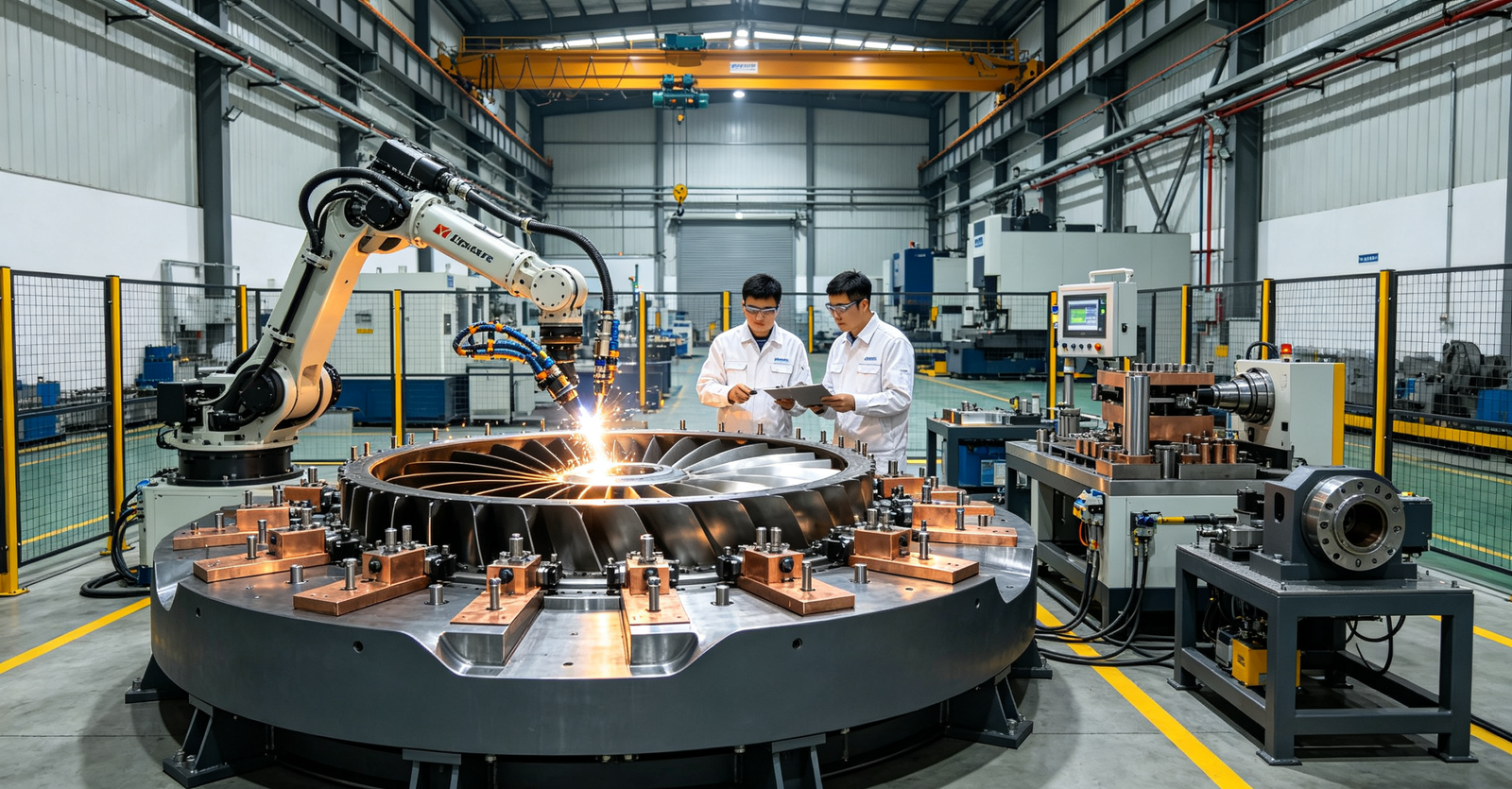
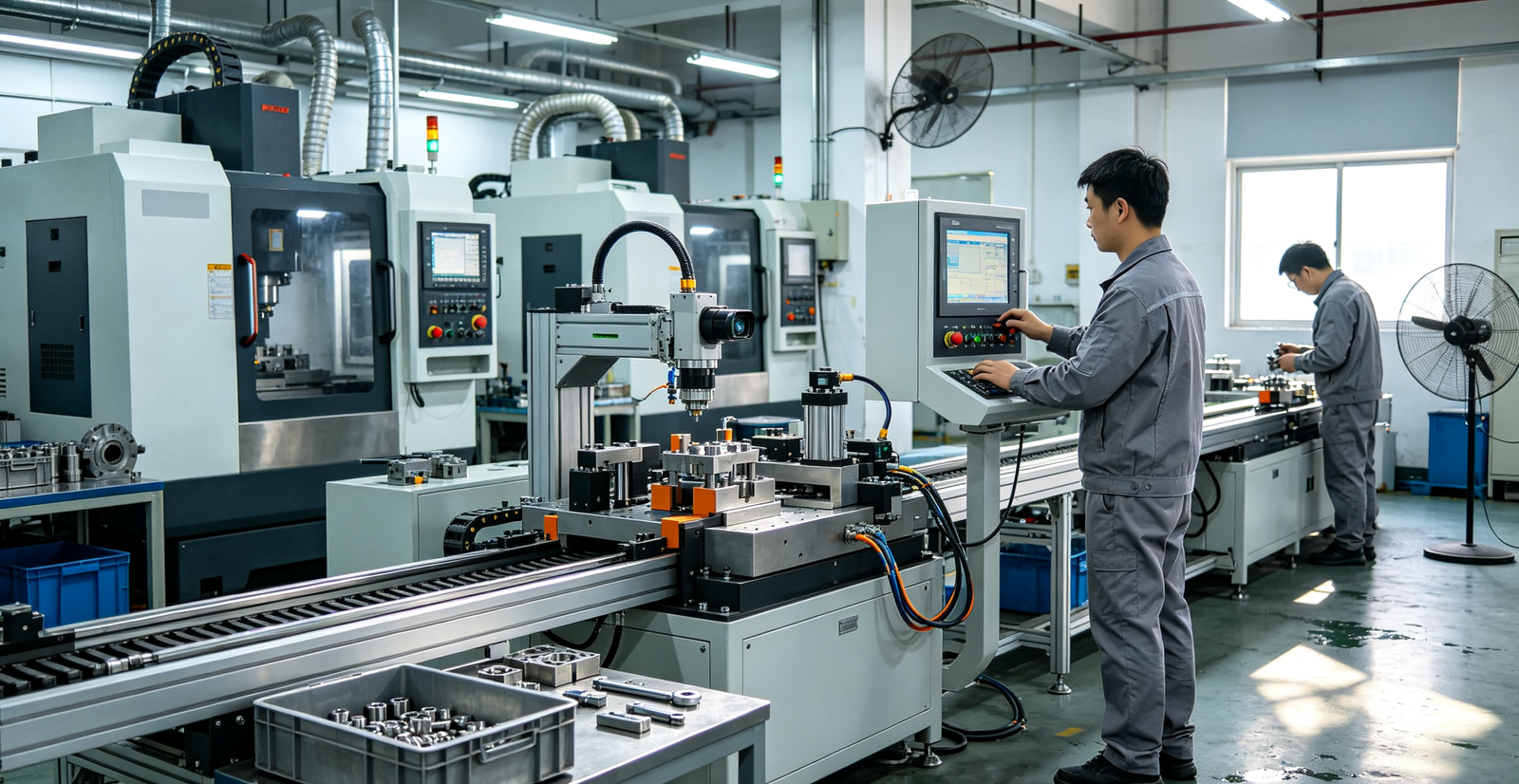
Machining titanium and high-performance alloys is not like machining aluminum or steel. It requires dedicated tooling, optimized parameters, high-pressure coolant, and experienced operators. Here's our capability.

Full Material Traceability & Certified Quality

  • Every batch comes with full Mill Test Reports (MTR), including heat number, chemical composition, mechanical properties, material specification and supplier details.
  • Incoming inspection includes XRF composition verification, hardness testing and visual surface inspection.
  • First Article Inspection with full CMM dimensional report for every new part.
  • 100% visual inspection and critical-dimension CMM for prototypes; AQL sampling for production.
  • Material traceability links every finished part to its raw material heat number.
  • Dedicated titanium work areas prevent cross-contamination with steel.

Ti6Al4V Machining Parameters

  • Cutting speed: 30–60 m/min — much lower than the 100–300 m/min typically used for steel.
  • Feed per tooth: 0.05–0.15 mm/tooth.
  • Radial depth of cut: 10–25% of tool diameter to control heat buildup.
  • Axial depth of cut: 1–2× tool diameter.
  • Solid carbide tooling with AlTiN or TiSiN coating, variable helix and sharp cutting edges.
  • High-pressure through-tool coolant at 70–100 bar with water-soluble extreme-pressure additives.
  • Climb milling rather than conventional milling to reduce work hardening and improve finish.
  • Surface finish: Ra ≤ 0.8 μm standard, Ra ≤ 0.4 μm with finish pass, Ra ≤ 0.1 μm electropolished.
  • Tool life: 2–3 hours per end mill, compared with 15–30 minutes in general-purpose shops.

Inconel 718 Machining Parameters

  • Cutting speed: 15–30 m/min, slower than titanium because of extreme work hardening.
  • Feed per tooth: 0.05–0.10 mm/tooth.
  • Radial depth of cut: 5–15% of tool diameter.
  • Ceramic or cermet inserts for roughing; solid carbide with AlTiN coating for finishing.
  • High-pressure through-tool coolant at 100+ bar, or dry machining with ceramic tools.
  • Surface finish: Ra ≤ 1.6 μm standard, Ra ≤ 0.8 μm with finish pass.

Equipment & Quality Capabilities

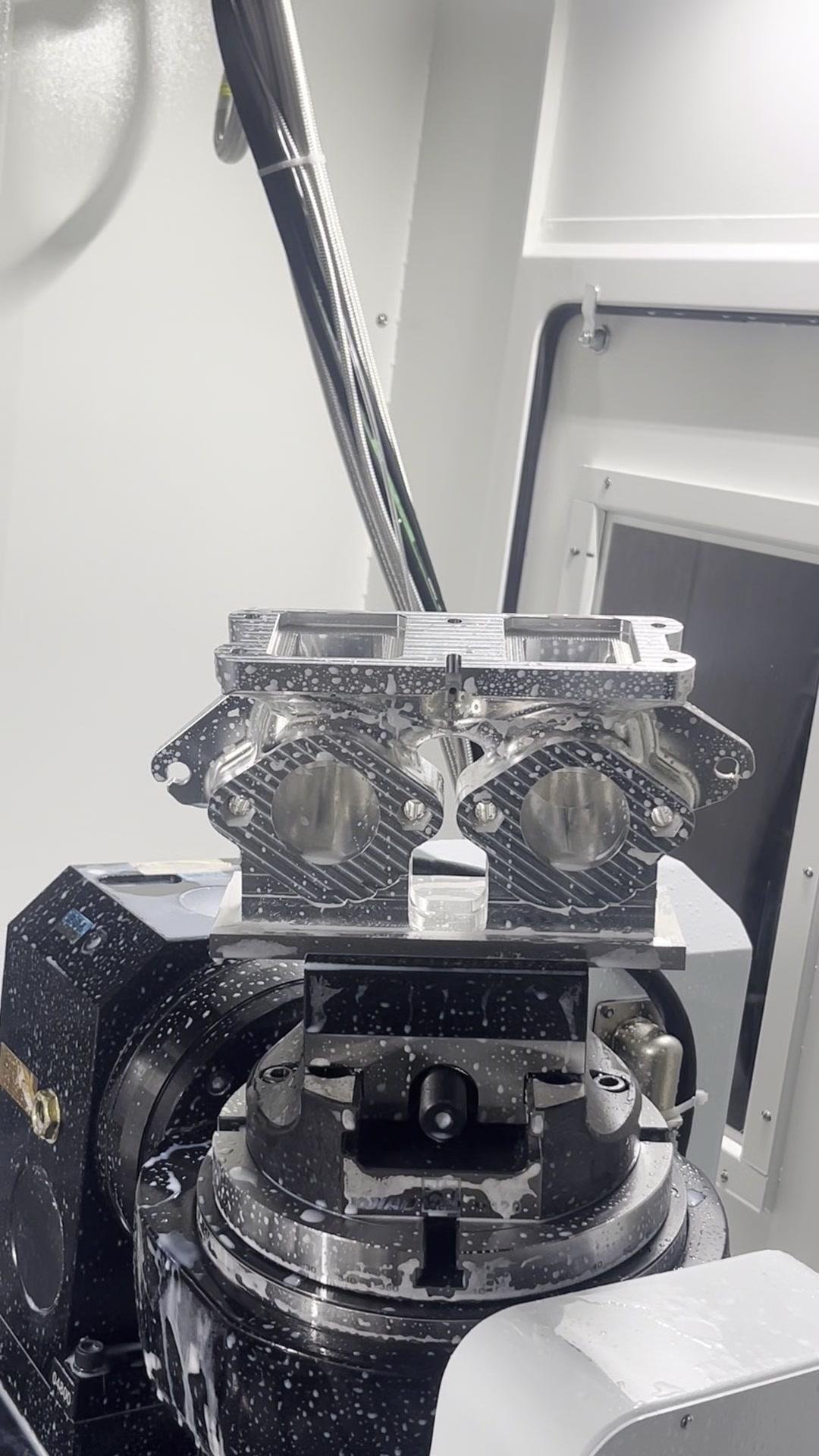
  • 5-Axis CNC Machining Centers — DMG MORI / Mazak, for complex titanium geometries with undercuts and multi-face machining.
  • 4-Axis CNC Machining Centers — for rotational and prismatic titanium parts.
  • CNC Lathes — for titanium shafts, fasteners and rotational components.
  • EDM — sinker and wire EDM for hard materials and complex internal features with no cutting force and no galling.
  • Vacuum Heat Treatment Furnace — for titanium solution treatment, aging and stress relief with no alpha-case.
  • High-Pressure Coolant System — 70–100 bar through-tool coolant for titanium and Inconel.
  • Shot Peening Equipment — for compressive residual stress on fatigue-critical titanium parts.
  • Electropolishing / Acid Pickling Line — for alpha-case removal and ultra-smooth surface finish.
  • XRF Spectrometer — for incoming material verification and chemical composition analysis.
  • CMM — Zeiss / Hexagon, for full dimensional inspection.
  • Hardness Tester — Rockwell / Vickers, for heat treatment verification.

Titanium & High-Performance Alloy Materials — Choosing by Strength, Corrosion & Temperature

The right high-performance alloy depends on your strength, corrosion, temperature, weight, and cost requirements. Here's our engineering guide to the most common titanium and high-performance alloys.

Alloy Series & Typical Grades Material Feature Description Aximetal Target Application Industries
1xxx: 1050, 1050A, 1060, 1100 Pure aluminum, ≥99.00% aluminum content; excellent ductility & corrosion‑resistance, moderate strength, good thermal conductivity, easy to form and weld. Heat sinks, heat exchangers, decorative components, general‑purpose sheet metal parts
2xxx: 2024, 2017, 2618 Copper‑containing aluminum alloy; high strength‑to‑weight ratio, heat‑treatable, lower corrosion resistance, good machinability. Aerospace structural parts, high‑strength mechanical components, automotive fixtures
3xxx: 3003, 3004 Manganese‑based alloy; good corrosion resistance, moderate strength, excellent formability, weldable, non‑heat‑treatable. Sheet metal enclosures, cabinet housings, pressure vessels, chemical equipment shells
4xxx: 4043, 4047 Silicon‑rich aluminum alloy; mainly used for welding filler, good fluidity, low melting point. Aluminum welding assembly, brazed structural assemblies
5xxx: 5052, 5083, 5754 Magnesium‑based alloy; outstanding corrosion resistance especially in marine environment, high toughness, weldable, non‑heat‑treatable. Marine equipment, energy equipment housings, chassis, sheet metal structural frames
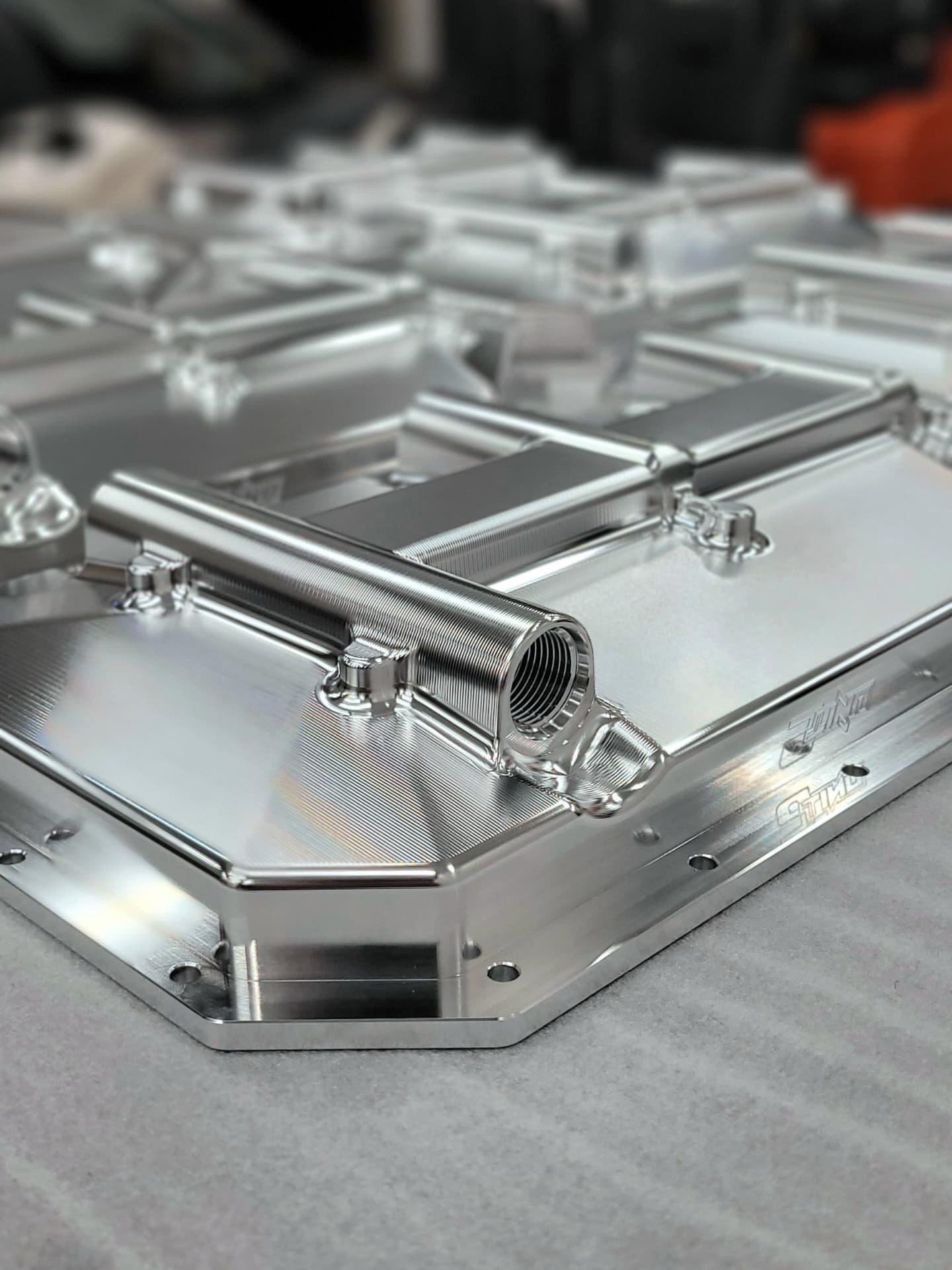
6xxx: 6061‑T6, 6063‑T6, 6082‑T6 Magnesium‑silicon alloy; heat‑treatable, balanced strength & corrosion resistance, excellent machinability & anodizing performance. AI server cold plates, automation fixtures, robot structural parts, general CNC & sheet‑metal parts
7xxx: 7075‑T6, 7050‑T7451 Zinc‑rich super high‑strength aluminum alloy; heat‑treatable, highest strength among aluminum grades, moderate corrosion resistance. Aerospace parts, high‑load automation components, high‑precision mechanical fixtures

Surface Treatment For Custom CNC & Sheet‑Metal Components

At Aximetal, we select matching surface finish solutions based on your working environment, target market and project specification. Before starting custom CNC & sheet‑metal fabrication orders, every surface‑treatment option will be confirmed with you. Our in‑house finishing workshop supports anti‑corrosion performance for harsh‑condition projects for energy storage cabinets, robot enclosures and pump fluid equipment, delivering consistent branded quality for Central‑Asia, Russia, Middle‑East and Southeast‑Asia integrators.

Surface Treatment Description & Benefits
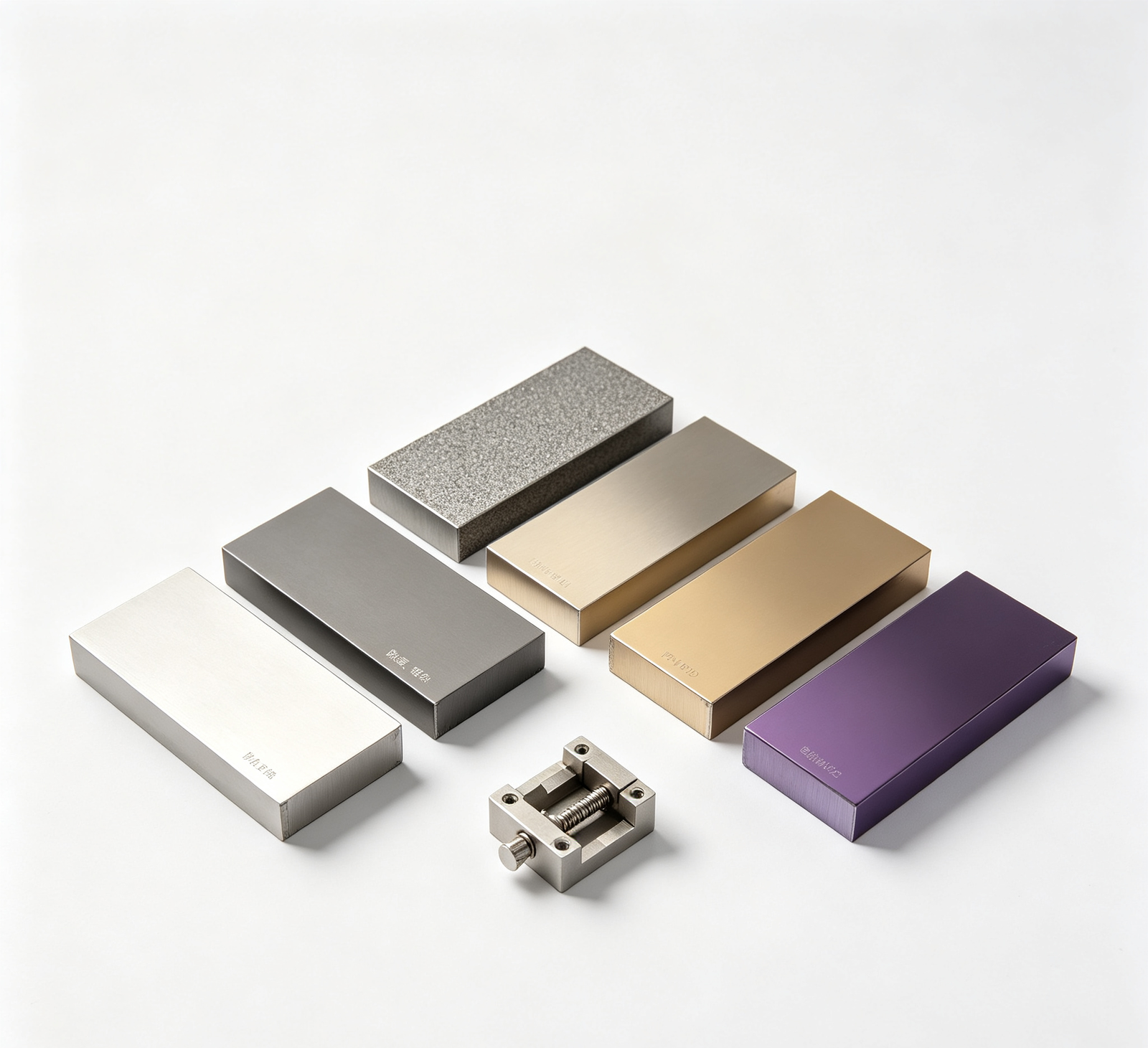
Acid Pickling (HF/HNO₃) Removes alpha‑case and surface contamination, delivers matte finish
Electropolishing Ultra‑smooth (Ra ≤ 0.1 μm), improves corrosion resistance, sterilizable
Shot Peening Creates compressive residual stress, improves fatigue life 2‑3×
Anodizing (Type II/III) Color finish plus corrosion protection, decorative appearance
PVD Coating (TiN / TiCN / DLC) Wear resistance, low‑friction surface, decorative effect
Dry Film Lubricant Prevents galling during installation (for fasteners)
Passivation (citric / nitric) Improves corrosion resistance (stainless steel parts)
Bead Blasting Uniform matte finish, removes surface defects
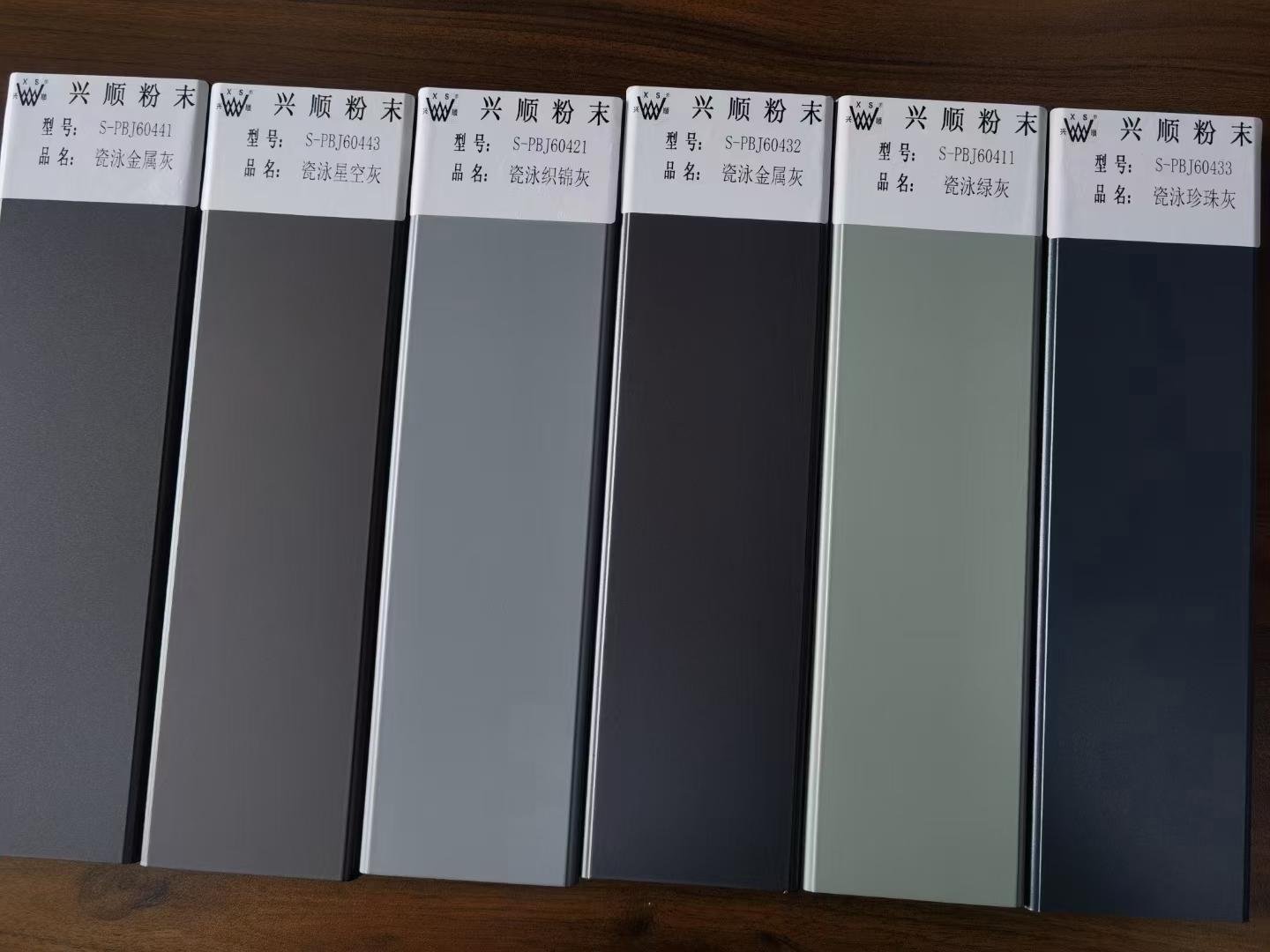
Powder Coating CNC sheet metal parts

Powder Coating

Robust protective coating for outdoor cabinet assemblies. Outstanding salt‑spray resistance, rich custom color options, ideal for BESS enclosures and automation housings deployed in coastal, high‑humidity blue‑ocean markets.

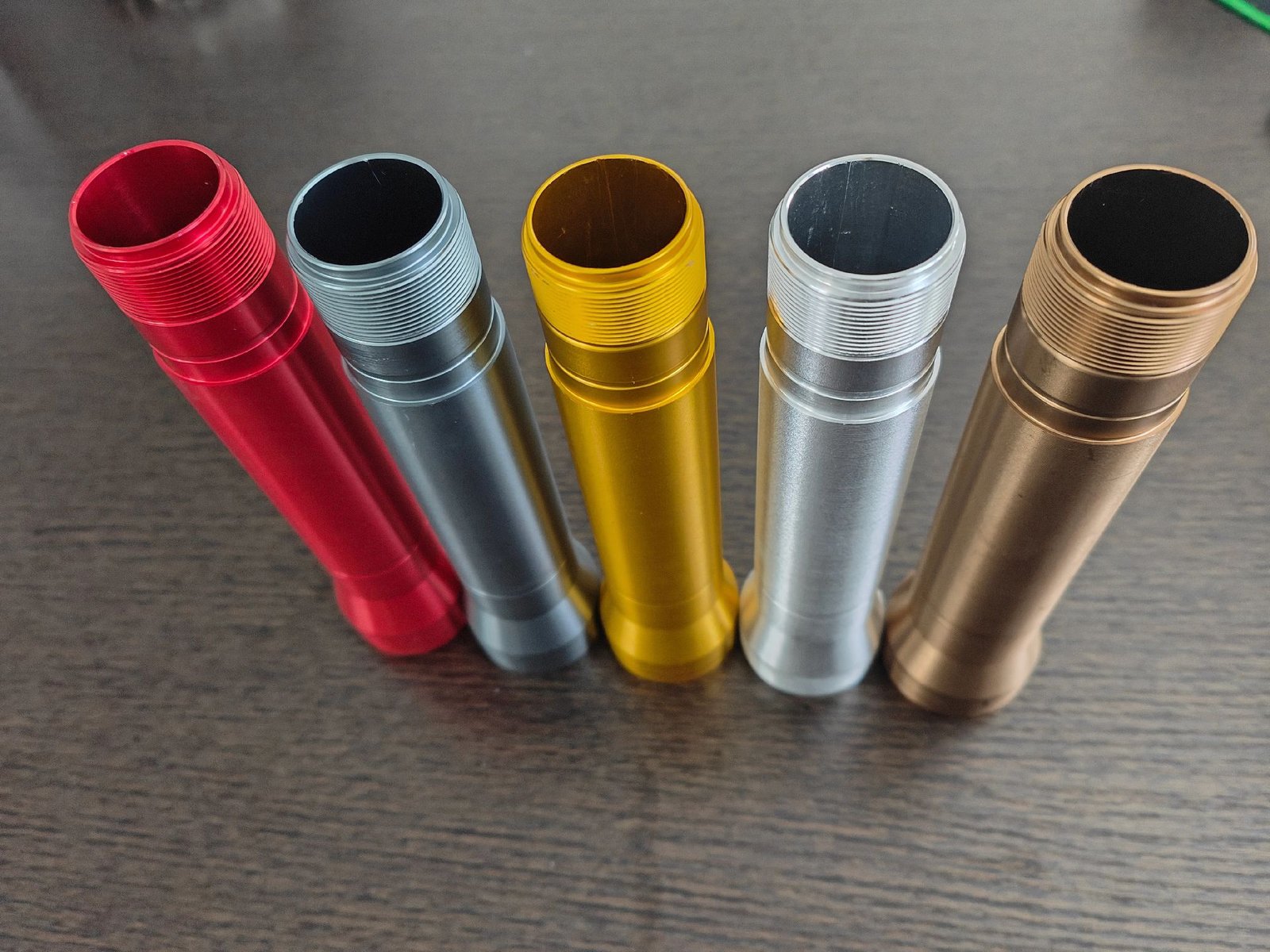
Anodic Oxidation aluminum CNC parts

Anodic Oxidation

Build hard oxide layer on aluminum CNC machined components. Improve surface hardness & anti‑corrosion performance, widely applied for robotic structural parts and fluid‑control manifold components.

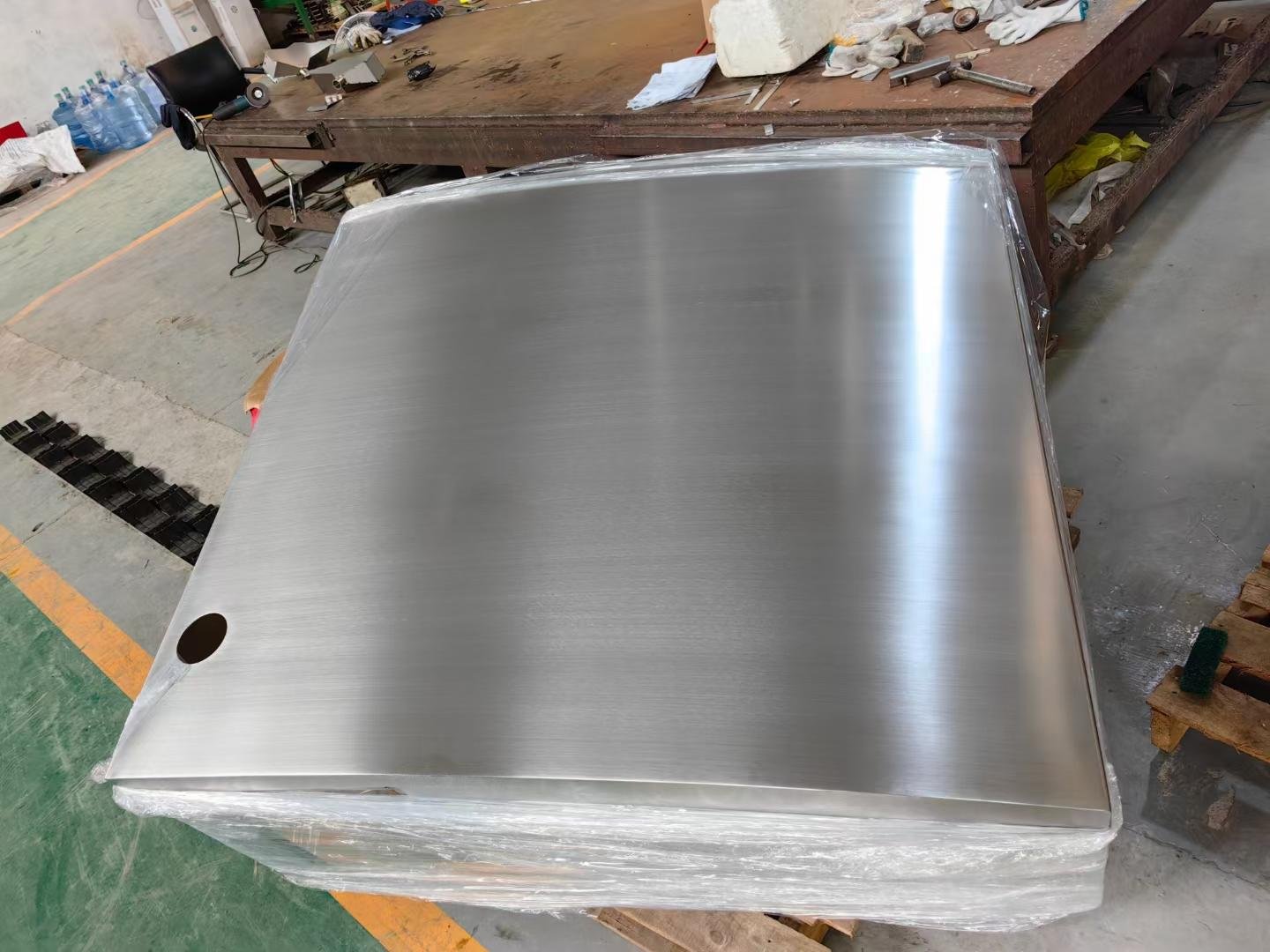
Brushed Polished metal parts

Brushed Polished

Uniform linear brushed metallic texture. Retain metal original grain, great visual quality for exposed mechanical covers and equipment panels for high‑end industrial OEM projects.

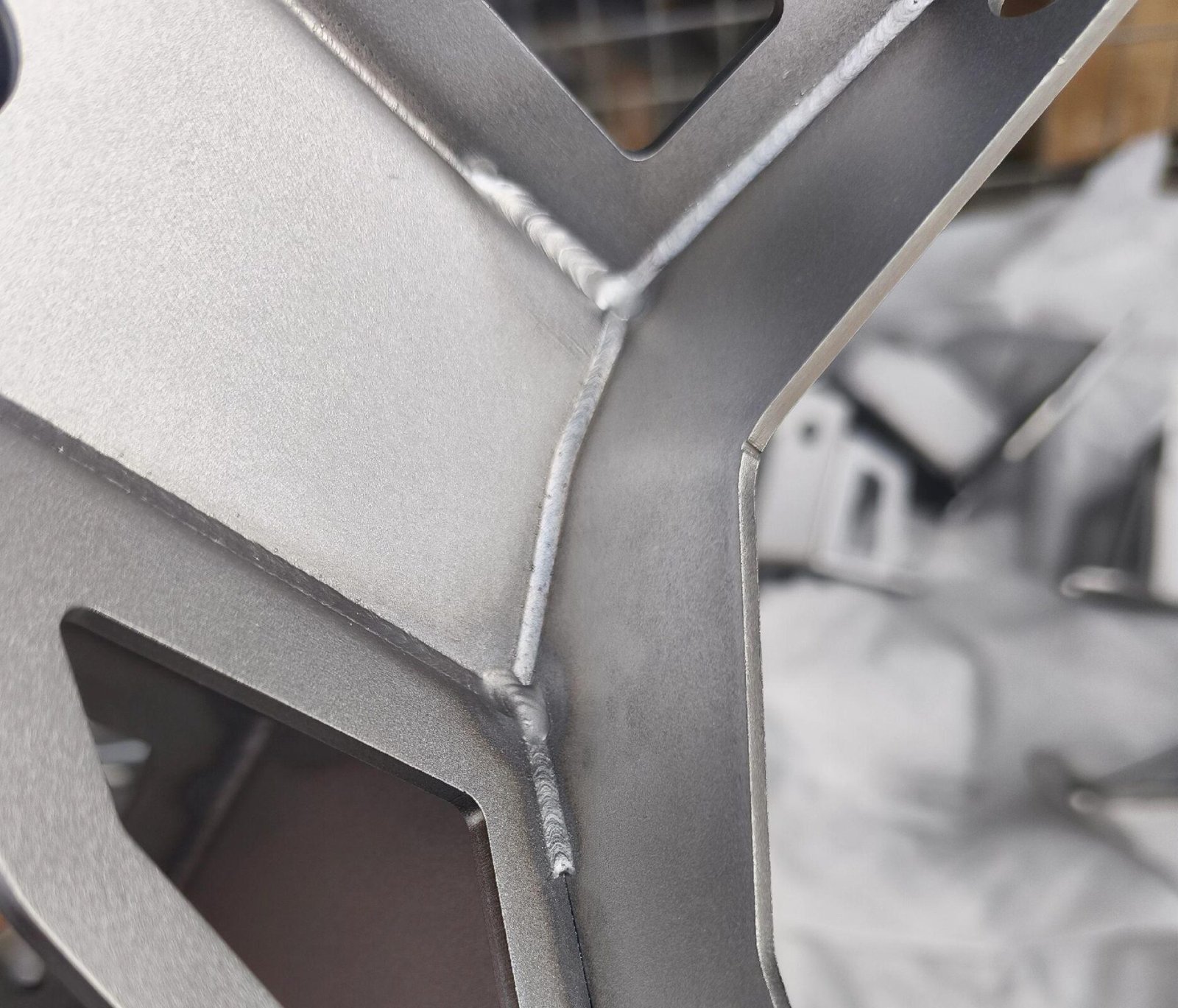
Sandblast CNC machined parts

Sandblast

Uniform matte metal finish, optimizes bonding performance for subsequent painting or anodizing. Pre‑treatment standard for our 5‑axis custom machined industrial spare‑parts.

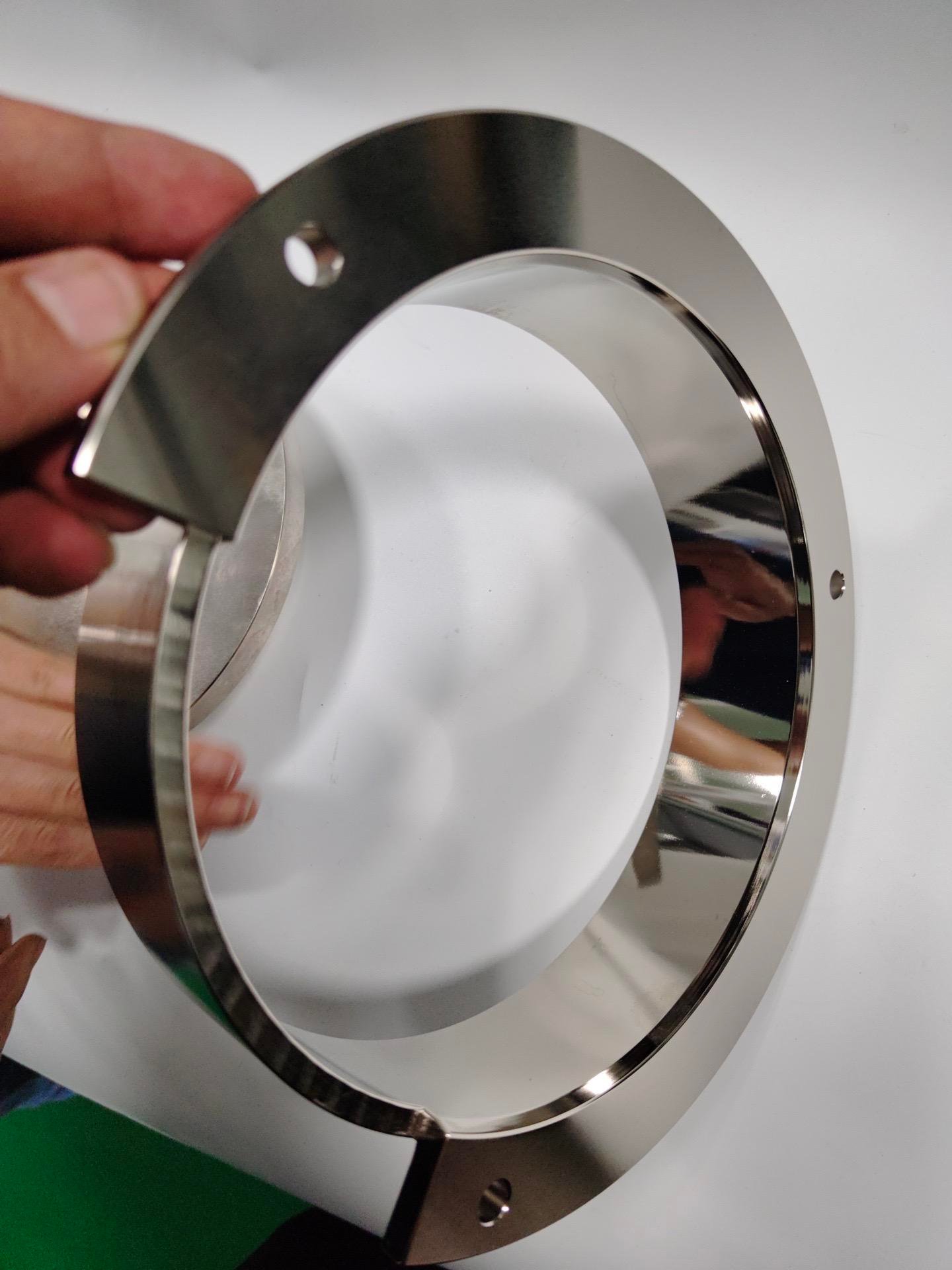
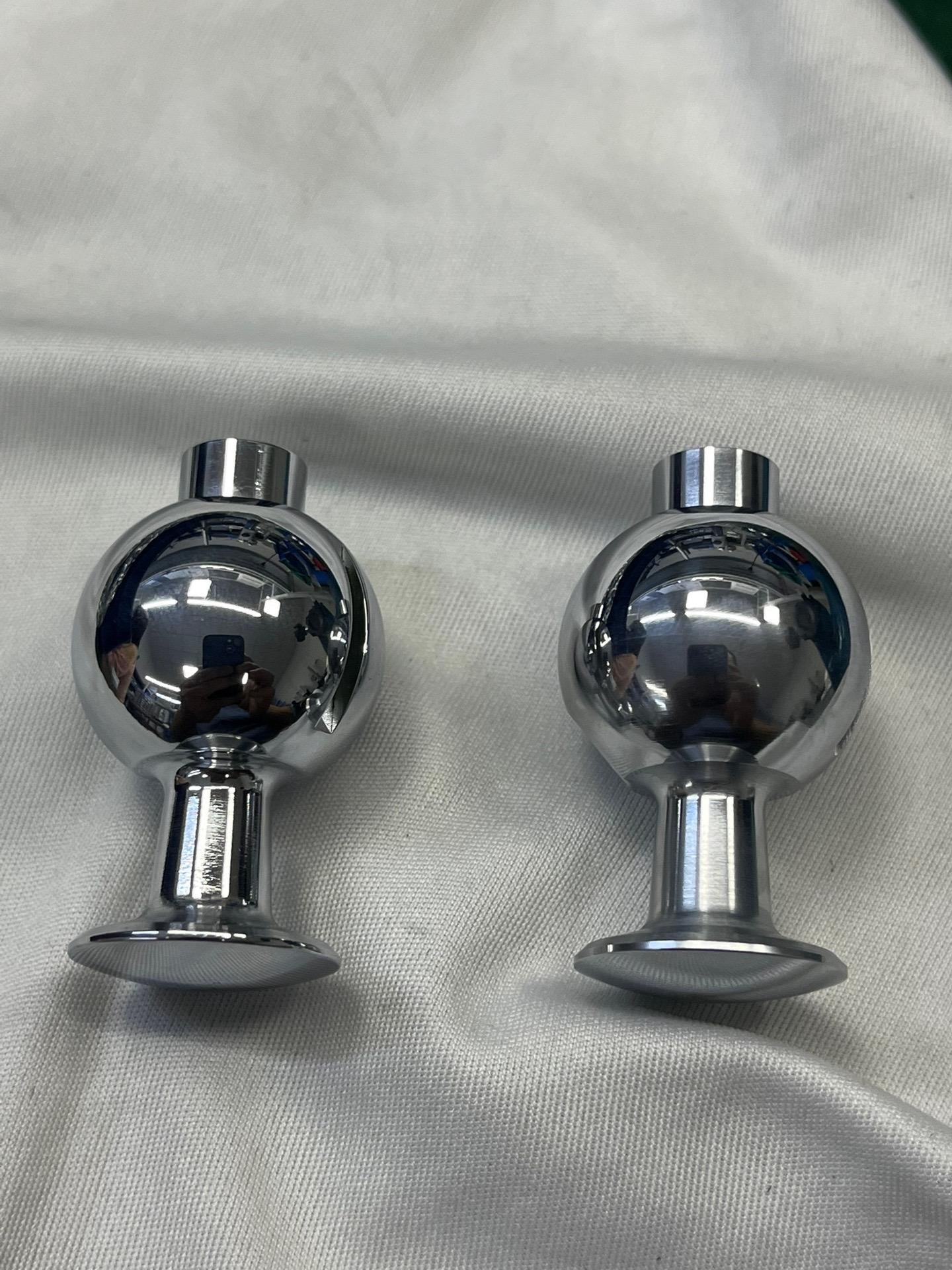
Mirror Polishing metal sheet parts

Mirror Polishing

High‑gloss mirror‑grade metal surface. Precision polishing for special decorative & mechanical contact components, strict visual inspection per Aximetal internal quality standard.

Electroplated custom metal components

Electroplated

Electroplated protective layer enhances wear‑resistance & conductivity. Suitable for pump fluid conductive fittings and moving mechanical assemblies under complex working conditions.

Laser Engraving custom metal parts

Laser Engraving

Permanent logo, part‑number and specification marking. Support your private‑brand requirement for CKD kit exports, traceable marking for bulk aftermarket spare‑parts.

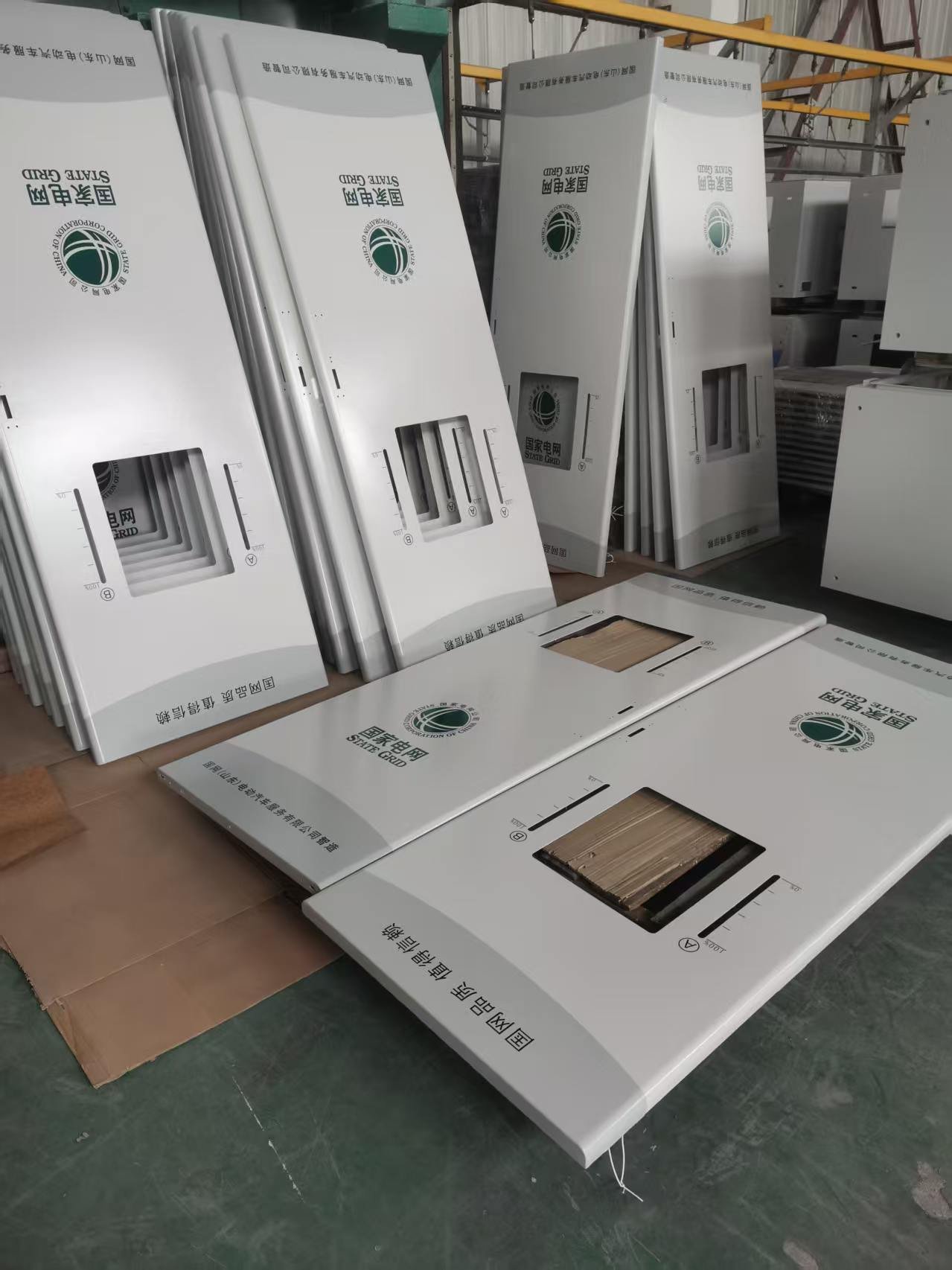
Screen Printing sheet metal enclosure

Screen Printing

Custom graphic, warning label and brand logo printing for sheet‑metal cabinets & housings. Perfect for finished‑look delivery for system integrator clients without secondary processing.

Titanium & High-Performance Alloy Parts We Manufacture — By Industry

From aerospace turbine components to medical surgical instruments, titanium bicycle parts to Inconel chemical processing equipment — aximetal manufactures precision high-performance alloy parts for every demanding application.

Why Engineers Choose aximetal for Titanium & High-Performance Alloys — We Don't Just Machine Them, We Master Them

Aximetal is not a general CNC shop that tries titanium once and quits. We are a high-performance alloy specialist with dedicated tooling, optimized parameters, high-pressure coolant, vacuum heat treatment, and experienced operators — the four things that determine whether your titanium part is perfect or ruined.

Partner with Aximetal to convert your drawings into precision aluminum parts. We handle from small‑batch prototyping to mass production for global industrial buyers.

  • Dedicated Tooling & Parameters: We use solid carbide with AlTiN/TiSiN coating, variable helix geometry, optimized low‑speed/high‑feed parameters, and climb milling for titanium. Tool life 2–3 hours (vs. 15–30 min for general shops).
  • High‑Pressure Through‑Tool Coolant: 70–100 bar through‑tool coolant directed exactly at the cutting zone, flushing chips and reducing heat. Flood coolant doesn't work for titanium (steam blocks the cutting zone).
  • Vacuum Heat Treatment: All titanium heat treatment in vacuum furnaces (≤10⁻⁴ Pa) — no alpha‑case, no contamination. Fixture‑based processing for distortion control. Stress relief before hardening.
  • Surface Finish Control: We always leave 0.1–0.2mm for a finish pass with a new sharp tool, achieving Ra ≤ 0.4μm. For fatigue‑critical parts: acid pickling (alpha‑case removal), shot peening (compressive residual stress), electropolishing (Ra ≤ 0.1μm).
  • Material Traceability: Full MTR with every batch (chemical composition, mechanical properties, heat number, supplier). Incoming XRF verification. Every finished part traceable to heat number. No "mystery metal."
  • 5‑Axis CNC Capability: Complex titanium geometries (undercuts, multi‑face, deep cavities) that 3‑axis can't handle. One setup = less error = better accuracy.
  • EDM for Hard Materials: Sinker and wire EDM for Inconel and titanium features that are impossible to mill (no cutting force, no galling, no work hardening).
  • Experienced Operators: Our machinists have 5+ years experience machining titanium and high‑performance alloys. They know how to read tool wear, adjust parameters, and avoid the mistakes that ruin expensive titanium parts.
  • No MOQ: From 1 prototype to 500+ pieces. We specialize in low‑volume, high‑mix high‑performance alloy parts.
  • Startup & Small Brand Friendly: We work with bicycle brands, watch brands, medical startups, and motorsports teams. Custom geometries, small quantities, full documentation.
Contact Aximetal engineering team for custom material options & project quotation.

Why Choose Aximetal's Custom CNC & Sheet Metal Fabrication Services

At Aximetal, we offer one‑stop custom CNC & sheet metal fabrication services, helping you select the right metal materials for energy‑storage cabinets, robotic automation enclosures, pump & fluid control assemblies and other industrial equipment. We deliver precise custom‑machined parts while preserving alloy material properties and meeting all strict quality requirements.

Certified to ISO 9001‑2015, we refuse to cut corners. We accelerate custom alloy component manufacturing projects for clients across Central Asia, Russia, Turkey, the Middle East, North Africa and Southeast Asia, with cost‑effective ex‑factory pricing and world‑class quality standards.

Whether you require 5‑axis precision‑engineered metal components, high‑strength IP65 protective enclosures, structural frames, or uniquely designed custom metal prototypes, our knowledgeable and skilled engineering team delivers expert technical guidance and comprehensive manufacturing solutions, including CKD component kits for overseas system integrators.

Aximetal is committed to delivering exceptional standards, highly competitive factory‑direct pricing, and reliable custom metal part options. We provide friendly, responsive English‑language support and professional on‑demand manufacturing services for global industrial buyers.

Provide the most cost‑effective solution for custom CNC machining and sheet‑metal manufacturing, helping you expand your end‑product competitiveness.
Experienced engineers for BESS cabinet, robot housing and pump‑fluid metal component custom development, offering drawing review and DFM suggestions.
ISO 9001‑2015, RoHS, CE compliant production standards. 24H*7 online English‑speaking technical support for fast project consultation.
5‑axis & 3‑axis CNC milling, laser cutting, bending, welding and complete surface finishing all under one roof.
Dimensional inspection, salt‑spray corrosion test and finish verification for parts working in harsh field environments.
Strict non‑disclosure agreements, your drawings and project data are kept fully confidential.
Stable production scheduling for prototype, small‑batch and mass‑volume custom orders.
Supply High‑precision Custom CNC & Sheet‑Metal Components For Global Blue‑Ocean Markets

Core Application Sectors & Customised Manufacturing Solutions

From heavy‑duty sheet‑metal enclosures to 5‑axis CNC‑machined manifold and structural parts, our combined CNC machining and sheet‑metal fabrication services deliver custom metal components for industrial equipment across Central Asia, Russia, Turkey, the Middle East, North Africa and Southeast Asia. With in‑house one‑stop production, we handle complex drawing‑based custom projects, provide CKD component kits for local system integrators, and fully comply with ISO 9001 standards for harsh‑environment operating conditions.

Energy Storage BESS cabinet sheet metal parts

Energy Storage & BESS Equipment

Robotic automation CNC sheet metal housings

Robotic & Industrial Automation

Pump fluid control CNC manifold metal parts

Pump & Fluid Control Equipment

Motorcycle aftermarket CNC machining spare components

Motorcycle Aftermarket Spare‑Parts

Industrial 3D printer CNC structural components

Industrial 3D‑Printing Machinery

General industrial OEM CKD metal component kits

General Industrial OEM & CKD Kits

Aximetal custom industrial control enclosure with IP protection

Your Innovation, Protected: Uncompromising IP Security & NDA Compliance

At Aximetal, your proprietary designs are treated as your most valuable assets. As a trusted manufacturing partner for precision custom CNC & sheet‑metal fabrication services, our commitment to protecting your intellectual property is absolute. We operate under a strict Zero‑Leak Policy, ensuring that every blueprint, CAD model, and prototype remains completely secure within our encrypted engineering ecosystem.

We proactively provide comprehensive Non‑Disclosure Agreements (NDAs) that fully align with international legal standards, giving you total peace of mind before file sharing begins. Our internal security protocols enforce segmented data access, encrypted servers, and restricted workshop access. Whether you are an OEM protecting sensitive industrial designs for energy‑storage, robotic automation or pump & fluid control equipment, or a system integrator launching CKD component kits for Central Asia, Russia, Turkey, the Middle East, North Africa or Southeast Asia markets, Aximetal acts as a secure, confidential extension of your team.

Talk to our expert team

Titanium & High-Performance Alloy FAQ — Answers from an Alloy Machining Specialist

These are the questions we get from aerospace engineers, medical device designers, bicycle builders, and motorsports teams every day.

1. Why is titanium machining so expensive? Can you reduce the cost?
Titanium machining is expensive for three reasons: (1) material cost — Ti6Al4V is 10–20× the cost of steel ($30–60/kg vs. $2–5/kg); (2) machining time — titanium machines 3–5× slower than steel (low cutting speed, shallow cuts, frequent tool changes); (3) tooling cost — titanium consumes 5–10× more tooling per part than steel. To reduce cost, we recommend: (1) design for machinability — avoid deep pockets, thin walls, undercuts, and tight tolerances on non‑critical dimensions; (2) use Grade 2 instead of Ti6Al4V if strength allows — Grade 2 machines 30% faster and costs 20% less; (3) increase order quantity — tooling and setup cost amortizes over more pieces (50 pieces = 50% of 1‑piece unit price); (4) consider alternative materials — for some applications, 17‑4PH stainless or 7075 aluminum can replace titanium at 30–50% lower cost; (5) optimize surface finish — Ra ≤ 0.8μm (standard) is 30% faster than Ra ≤ 0.4μm (finish pass). We provide DFM feedback with every quote — we'll tell you exactly which design features increase cost and how to reduce them without sacrificing performance.
2. What's the difference between Ti6Al4V (Grade 5) and commercially pure titanium (Grade 2)?
Ti6Al4V (Grade 5) is an alloy of titanium with 6% aluminum and 4% vanadium. It's the most common titanium alloy, with: tensile strength 900 MPa, yield strength 860 MPa, hardness HRC 36–38, and good fatigue resistance. It's 2× stronger than Grade 2, but harder to machine and form. Best for: high‑stress structural parts, aerospace, medical implants, motorsports, bicycle cranks. Commercially pure titanium (Grade 2) is 99%+ pure titanium with trace amounts of iron and oxygen. It has: tensile strength 345 MPa, yield strength 275 MPa, hardness HRC 15–20, and excellent formability and corrosion resistance (superior to Ti6Al4V in some chemical environments). It's 30% easier to machine and 20% less expensive. Best for: chemical processing, marine, heat exchangers, architectural, medical device housings, low‑stress parts. General rule: use Ti6Al4V when strength and fatigue matter; use Grade 2 when corrosion resistance, formability, and cost matter. We can help you choose based on your specific loading, environment, and budget.
3. Do you provide material certificates for titanium? What's included?
Yes — full material certification with every titanium and high‑performance alloy order. Included: (1) Mill Test Report (MTR) from the original mill — heat number, chemical composition (15+ elements verified by spectrometer), mechanical properties (tensile strength, yield strength, elongation, reduction of area, hardness), material specification (ASTM B348 for bar, AMS 4928 for Ti6Al4V, etc.), supplier name and location, heat treatment condition; (2) our incoming inspection report — XRF composition verification, hardness test, visual inspection; (3) material traceability document — linking every finished part to its raw material heat number, via our job traveler (machine, operator, tooling, inspection results); (4) for special applications: aerospace (AMS specifications, NADCAP if required), medical (ISO 13485, biocompatibility ISO 10993), motorsports (FIA specifications). We only source from qualified, audited suppliers (ATI, Timken, VSMPO, etc.) — no uncertified "mystery metal." For critical parts, we can provide Positive Material Identification (PMI) testing (XRF) on every finished part, with a report. Send us your certification requirements — we'll tell you exactly what we can provide.
4. Can you heat treat titanium? What's the process?
Yes — we provide vacuum heat treatment for titanium and high‑performance alloys. Process for Ti6Al4V: (1) Stress relief (optional, for complex parts) — 550–650°C for 2–4 hours in vacuum, reduces machining stresses; (2) Solution treatment — 920–950°C for 1–2 hours in vacuum (below beta transus ~995°C), then argon gas quench (not water/oil, which causes contamination and distortion); (3) Aging — 480–590°C for 4–8 hours in vacuum, precipitates fine alpha phase for strength; (4) Result — hardness HRC 36–38, tensile strength 900+ MPa, yield strength 860+ MPa. Key points: (1) ALL titanium heat treatment must be in vacuum or inert gas — air heat treatment causes alpha‑case (oxygen‑enriched brittle surface layer) that must be removed; (2) we use fixture‑based processing to control distortion (parts supported on graphite/ceramic fixtures); (3) controlled cooling (argon gas quench, not water/oil) to minimize distortion; (4) post‑heat treatment straightening available if needed (warm straightening at 400–500°C); (5) hardness verification (Rockwell HRC) at multiple points per part. Our typical results: distortion ≤0.05 mm, no alpha‑case, hardness within ±2 HRC of target. We also provide: stress relief, annealing, solution treatment + aging, and custom heat treatment cycles for specific alloys (Inconel 718: 980°C solution + 720°C/620°C double aging; Hastelloy C276: 1120°C solution anneal + water quench).
5. What surface treatments do you recommend for fatigue‑critical titanium parts?
For fatigue‑critical titanium parts (bicycle, aerospace, motorsports, medical), we recommend a combination of surface treatments to maximize fatigue life: (1) Finish machining pass — always leave 0.1–0.2 mm for a finish pass with a new sharp tool, at reduced feed and depth, achieving Ra ≤ 0.4 μm. Eliminates chatter marks and tool marks that act as stress concentrators; (2) Acid pickling (HF/HNO₃ solution) — removes the alpha‑case (oxygen‑enriched brittle surface layer, 0.05–0.3 mm thick) that forms during heat treatment or welding. Alpha‑case is hard and brittle, and it's a common fatigue crack initiation site. Pickling removes it uniformly without dimensional change; (3) Shot peening — bombards the surface with small glass or ceramic beads, introducing compressive residual stress (0.2–0.5 mm deep). Compressive residual stress counteracts tensile fatigue stresses, improving fatigue life by 2–3×. We control peening intensity (Almen strip) and coverage (100–200%); (4) Electropolishing — electrochemical process that removes surface peaks, achieving Ra ≤ 0.1 μm and improving corrosion resistance. Best for medical and high‑end consumer parts; (5) PVD coating (TiN, DLC) — for wear surfaces, provides a hard, low‑friction coating (HRC 80+) that reduces galling and wear. Not recommended for fatigue‑critical surfaces (coating can introduce residual stress). Typical combination for bicycle crank: finish machining (Ra 0.4 μm) → acid pickling → shot peening → result: fatigue life improved from 3 months to 3+ years. We can recommend the right combination based on your application, stress level, and budget.
6. What's the lead time for titanium parts? Do you offer rush service?
Standard lead time for titanium parts: (1) Simple CNC prototype (1–5 pieces, Ti6Al4V, no heat treatment): 10–15 days; (2) Complex 5‑axis prototype (1–5 pieces, Ti6Al4V, with heat treatment + surface treatment): 15–25 days; (3) Small batch (10–50 pieces): 20–30 days; (4) Inconel parts: add 5–10 days (slower machining, more tool changes); (5) With vacuum heat treatment: add 3–5 days; (6) With surface treatment (pickling, shot peening, electropolishing): add 3–7 days. Rush service: (1) Simple titanium prototype: 7–10 days (30–50% rush fee); (2) Complex titanium prototype: 12–18 days (40–60% rush fee). Rush service requires: in‑stock material (Ti6Al4V, Grade 2), no special heat treatment (or we use a partner furnace with rush capacity), simplified surface treatment (as‑machined or bead blasted). To speed up your order: (1) choose in‑stock materials; (2) provide complete 3D CAD (STEP) with GD&T; (3) avoid complex 5‑axis geometries if possible; (4) order 2–3 pieces (setup cost amortized); (5) approve DFM feedback quickly. We provide a detailed timeline with every quote, and we update you at every stage (material received, machining complete, heat treatment complete, inspection complete, shipped).

Send Your Drawing for a Fast Quote?

Got a Titanium or High-Performance Alloy Part? Send Us Your Drawing — Get a Machinability Review, Material Recommendation & Quote in 48 Hours

No drawings available?
Simply share product dimensions, assembly requirements, working environment and performance specifications. We provide free structural design, solution optimization and DFM analysis for sheet metal housings and CNC machined components. You don’t need finished drawings to start.

Whether it's a Ti6Al4V bicycle crank, an Inconel 718 aerospace component, a medical titanium instrument, a titanium fastener, or a custom high-performance alloy part — send us your CAD drawing. Our alloy specialists will review machinability, tooling, heat treatment, surface finish, and certification requirements, and give you a formal quote within 48 hours. No MOQ. Full material traceability.

📩 Email: sales@aximetal.com
💬 WhatsApp: +86 19042661906

☁️ Click to upload or drag files here

Support: DWG, DXF, STEP, IGES, PDF (Max 10MB)

Прокрутить вверх