The New Energy Component Problems That Cause Field Failures — and How aximetal Solves Them
If you've ever had an EV motor housing leak coolant, a battery tray that wouldn't sit flat, or an ESS rack frame that didn't align on installation day, you know that new energy components fail not because of bad design — but because of bad manufacturing. These are the four most common problems we solve.
Welding Distortion in Battery Trays & ESS Frames
Core Pain:"My battery tray is welded, but after welding it's warped — the flatness is 2.5mm when the spec requires ≤0.5mm. The battery modules won't sit flat, and the sealing surface leaks."
Aximetal Solutions: We use a distortion-controlled welding process: (1) weld sequence optimization — we weld in a symmetrical, alternating sequence to balance thermal stress; (2) controlled heat input — we use MIG/MAG welding with pulse control or laser welding for thin materials; (3) fixture-based welding — we weld on precision fixtures that hold the part flat during welding; (4) post-weld flattening — we use a hydraulic press with precision dies to flatten critical sealing surfaces to ≤0.3mm; (5) machining after welding — for critical sealing surfaces, we CNC machine after welding to guarantee flatness. On a recent 1.2m × 0.8m EV battery tray project, we achieved 0.3mm flatness on the sealing surface (spec ≤0.5mm) with zero leaks in pressure testing.
Sealing Surface Flatness & IP65/IP67 Leakage
Core Pain:"My EV charging enclosure is rated IP67, but after 3 months in the field, water gets inside. The gasket surface looks flat, but it's not — there are low spots where water seeps in."
Aximetal Solutions: We guarantee sealing surface quality through: (1) CNC machining of gasket surfaces after forming/welding — we machine the entire gasket groove and sealing surface to Ra ≤ 1.6μm and flatness ≤0.1mm/100mm; (2) gasket groove design review — we verify groove depth, width, and corner radius match your gasket specification; (3) pressure testing — for critical enclosures, we perform IP67 pressure testing (1m water depth, 30 minutes) or air pressure decay testing; (4) silicone gasket application — we can apply form-in-place silicone gaskets with robotic dispensing for complex geometries. Send us your enclosure drawing — we'll tell you if the sealing surface design is manufacturable to IP67.
Material Corrosion in Outdoor Solar & ESS Installations
Core Pain:"My solar mounting hardware is galvanized steel, but after 18 months in a coastal solar farm, it's rusting at the bolt holes. The warranty claim is going to cost more than the original order."
Aximetal Solutions: We provide material selection based on your installation environment: (1) Rural/dry environments — hot-dip galvanized steel (Z275) with passivation, cost-effective; (2) Suburban/light industrial — galvanized + powder coating (double protection), 15–20 year life; (3) Coastal/high humidity — 304 stainless steel or aluminum 6061-T6 with anodizing, 25+ year life; (4) Heavy industrial/chemical — 316L stainless steel or hot-dip galvanized + epoxy coating. We also recommend: stainless steel fasteners (A2-70 or A4-70), sealed bolt holes with rubber washers, edge coating for laser-cut parts, and chromate-free passivation for aluminum. For a recent 50MW coastal solar project, we switched from galvanized steel to 304 stainless for all mounting hardware — the upfront cost was 30% higher, but the 25-year warranty eliminated corrosion claims.
ESS Rack Frame Alignment & Cumulative Tolerance
Core Pain:"My ESS rack frames are each within tolerance, but when I stack 6 racks in a container, the mounting holes don't align — the battery modules won't slide in. The factory says 'each rack passes inspection' but the system doesn't work."
Aximetal Solutions We use a fixture-based manufacturing process for ESS rack frames: (1) precision welding fixtures — we weld every rack on the same CNC-machined fixture that locates all critical hole positions; (2) post-weld CNC machining — for critical mounting hole patterns, we CNC machine after welding to guarantee position tolerance ±0.1mm; (3) modular design — we design rack frames with slotted holes or adjustable mounts for non-critical interfaces; (4) trial assembly — for multi-rack orders, we assemble 2–3 racks together before shipment to verify alignment; (5) coordinate measuring — we CMM inspect critical hole patterns on every rack. On a recent 1MWh ESS project (20 racks × 6 modules each), we achieved 100% first-time assembly — zero rework on site.
Aximetal New Energy & ESS Components — Product Range by Application
From EV motor housings to ESS rack frames, solar mounting hardware to EV charging enclosures — every new energy component we manufacture is held to sealing, flatness, and corrosion resistance standards that survive the field.
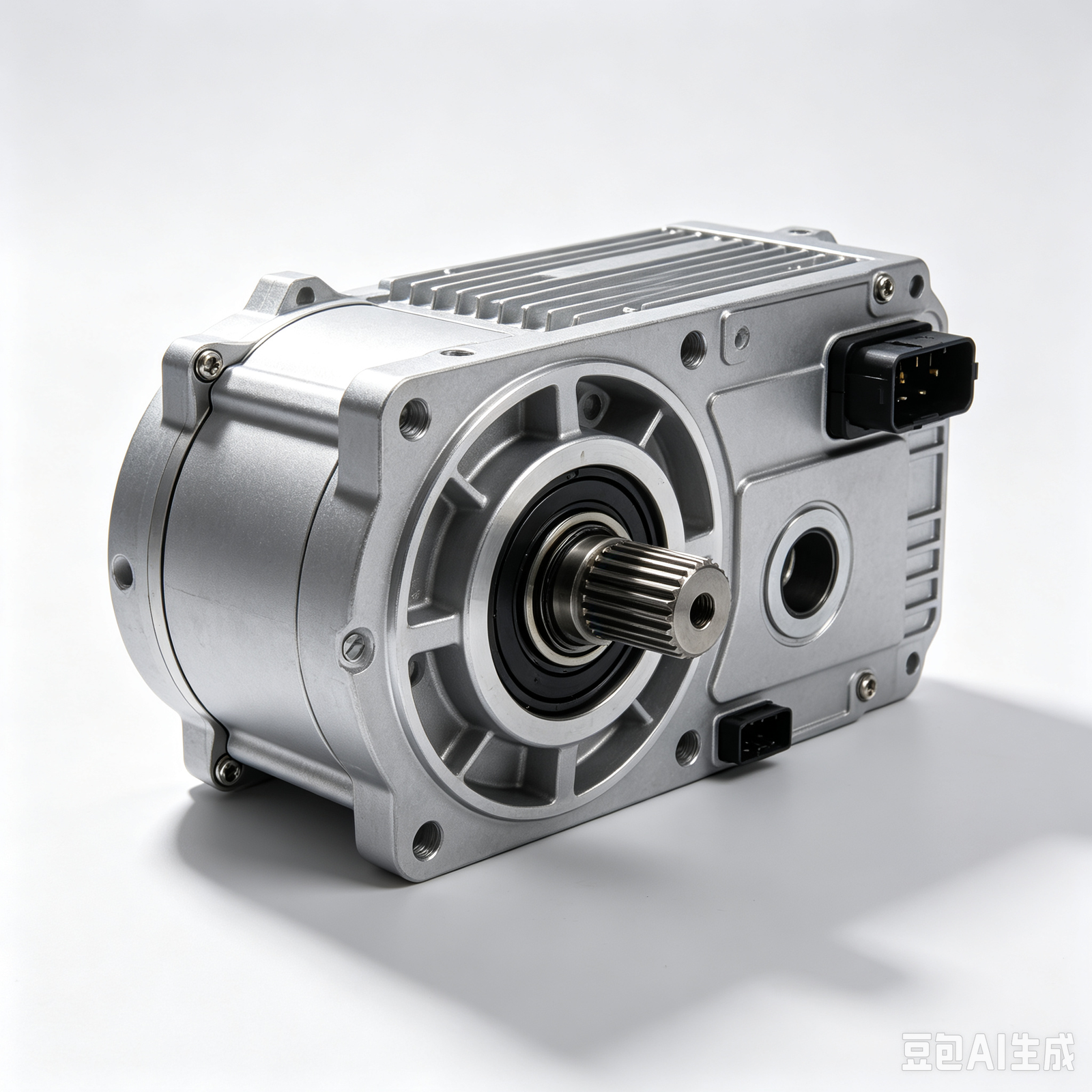
EV Motor & Inverter Housings
CNC-machined EV motor housings, inverter housings, gearbox housings, controller enclosures. Materials: ADC12/A380 aluminum die-cast (CNC machined), 6061-T6 aluminum (prototype), A356-T6 sand casting. Cooling jacket machining, bearing seat tolerance ±0.005mm, sealing surface flatness ≤0.05mm. Pressure tested......
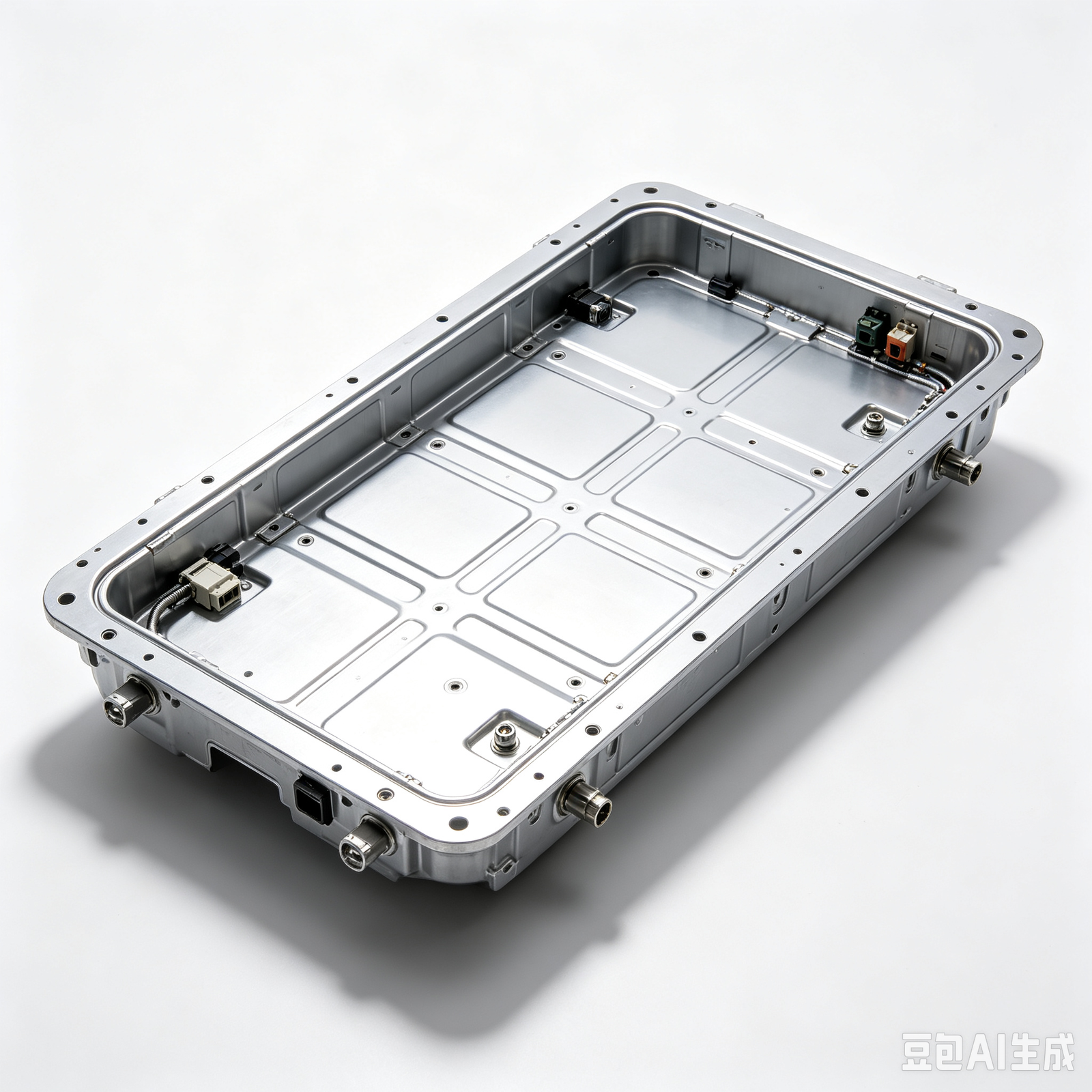
Battery Trays & Battery Enclosures
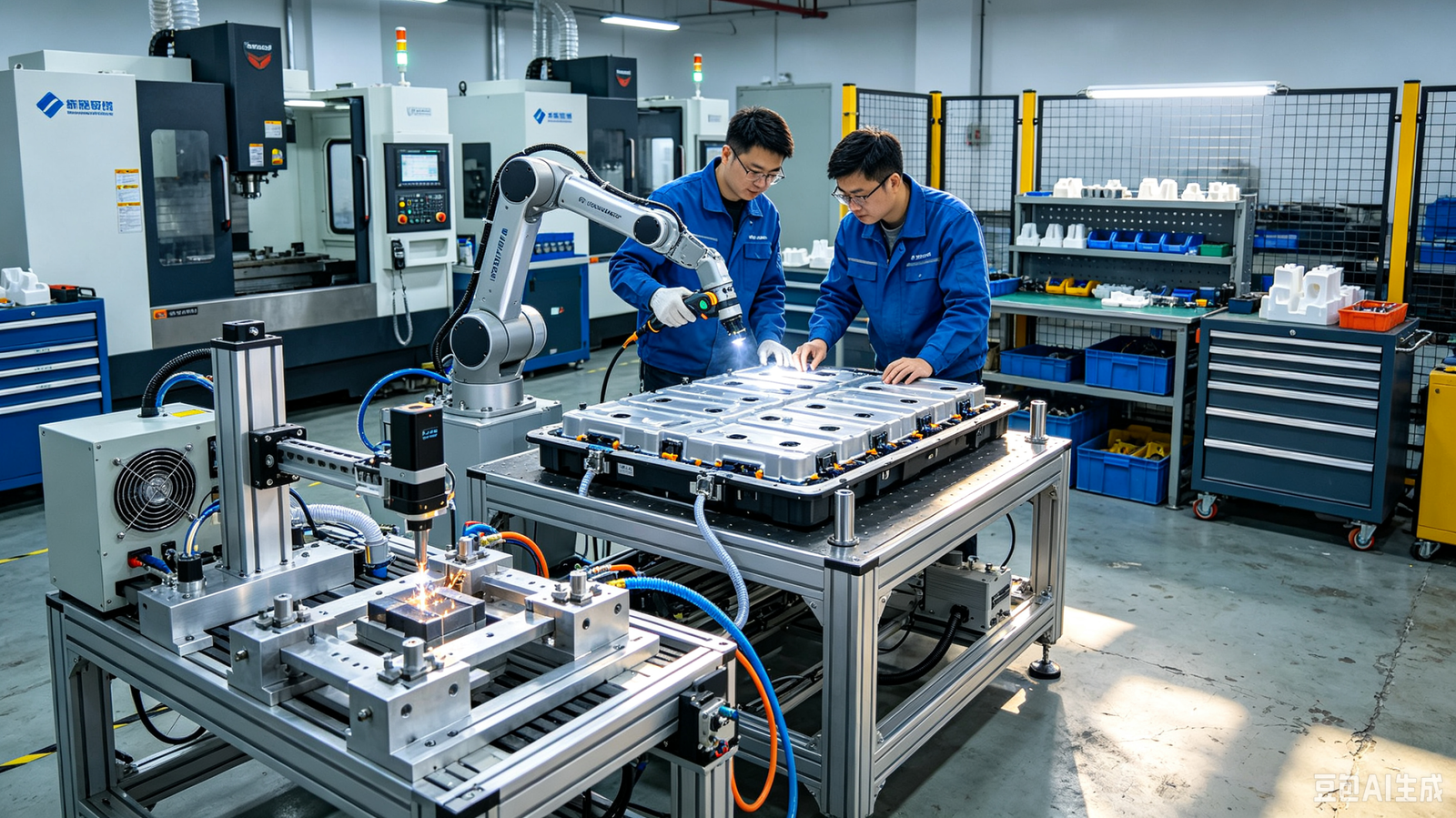
Sheet metal fabricated and CNC-machined battery trays, battery module enclosures, battery pack housings. Materials: 6061-T6 aluminum, 3003 aluminum, DC01/SPCC steel, stainless steel. Welded construction with distortion control, CNC-machined sealing surfaces, module mounting hole patterns ±0.1mm. IP67 pressure tested......
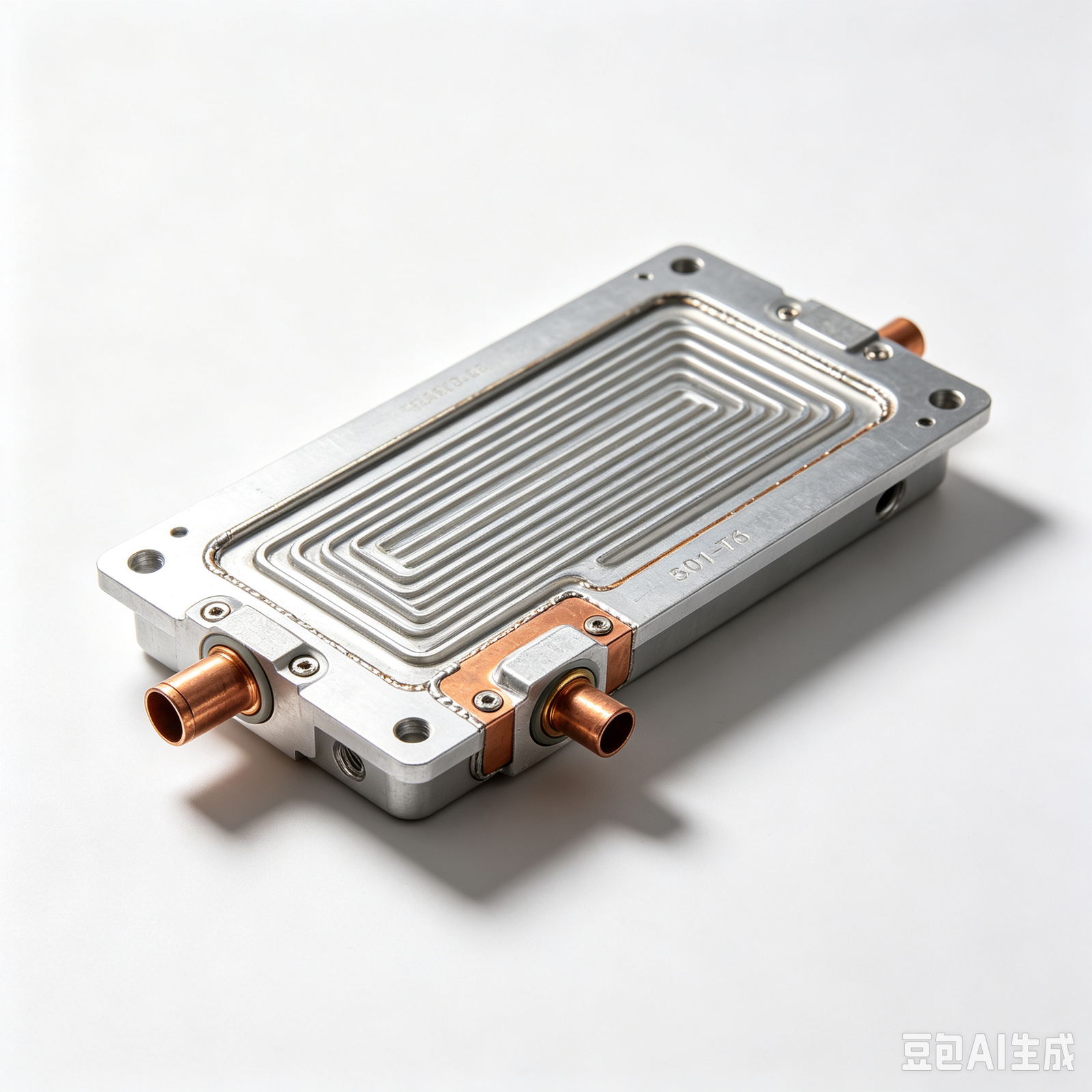
Cooling Plates & Thermal Management Components
)CNC-machined and vacuum-brazed cooling plates, cold plates, heat sinks for EV batteries, inverters, and ESS systems. Materials: 6061-T6 aluminum, copper C11000, aluminum+copper composite. Microchannel machining, vacuum brazing, friction stir welding (FSW). Flatness ≤0.1mm for battery contact. Pressure tested to 10 bar....
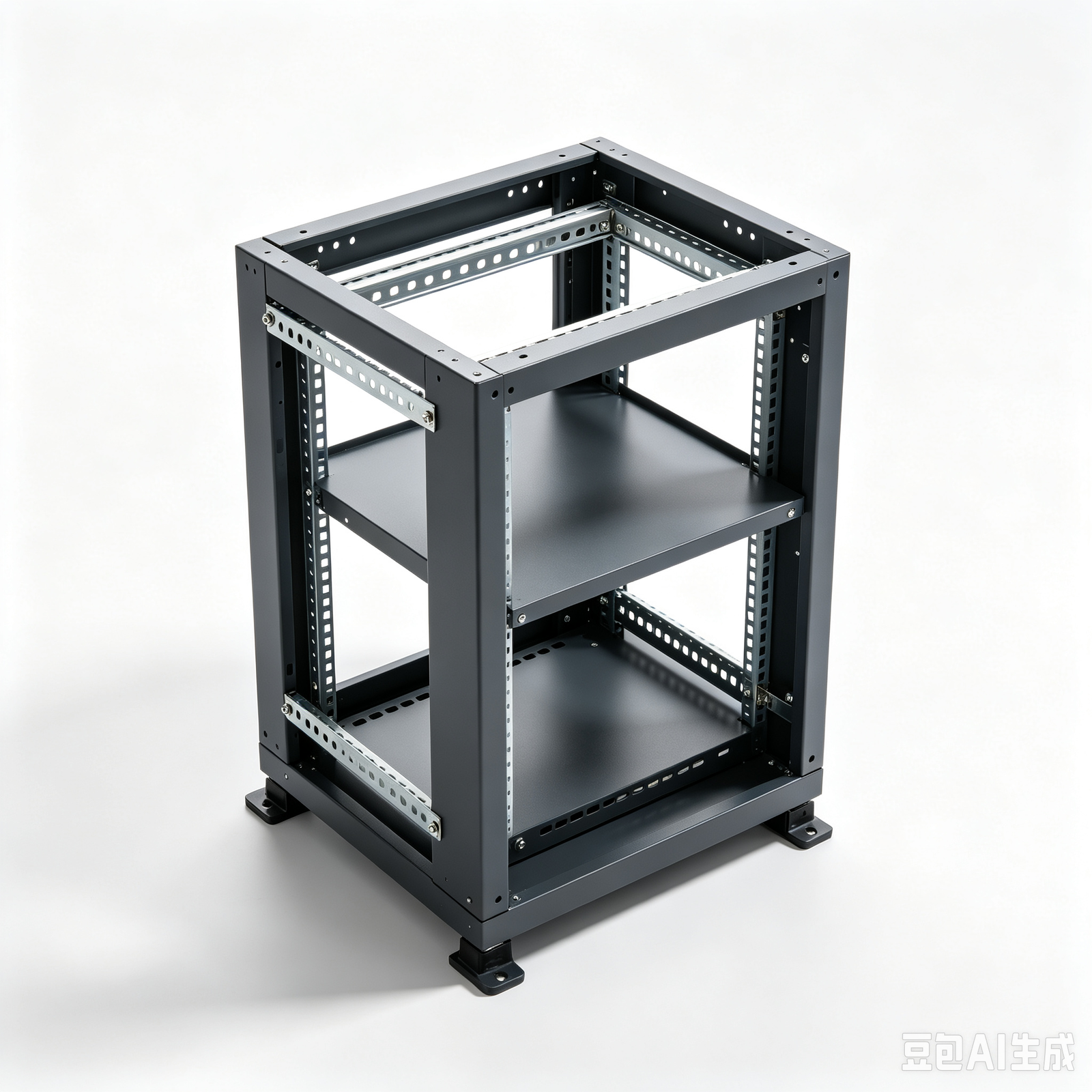
ESS Rack Frames & Cabinet Structures
Welded and CNC-machined ESS rack frames, battery cabinet structures, containerized ESS mounting systems. Materials: Q235/Q355 steel, 6061-T6 aluminum, 304 stainless. Fixture-based welding, post-weld CNC machining of critical holes, trial assembly before shipment. Powder coating / hot-dip galvanizing.....
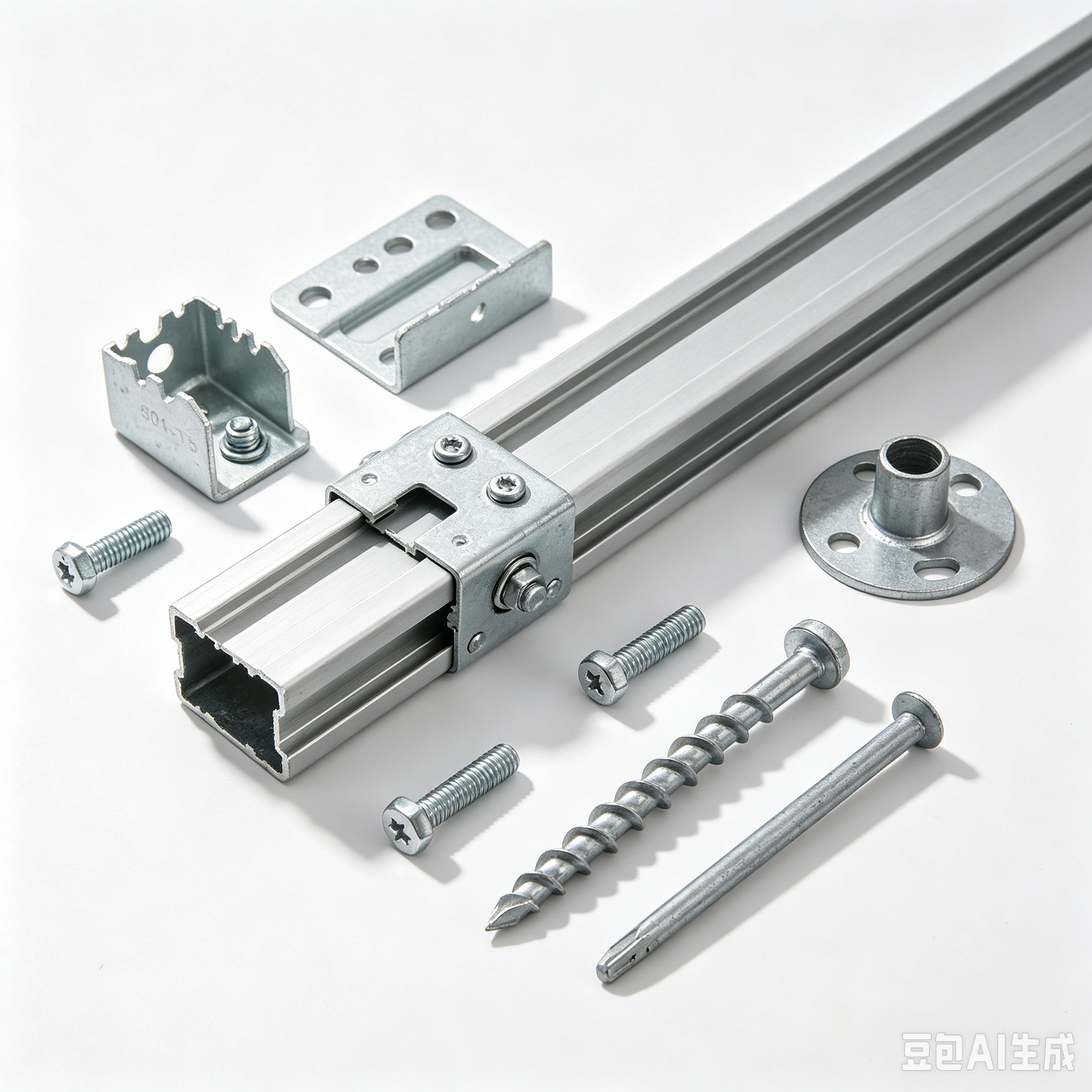
Solar Mounting Hardware & Structural Components
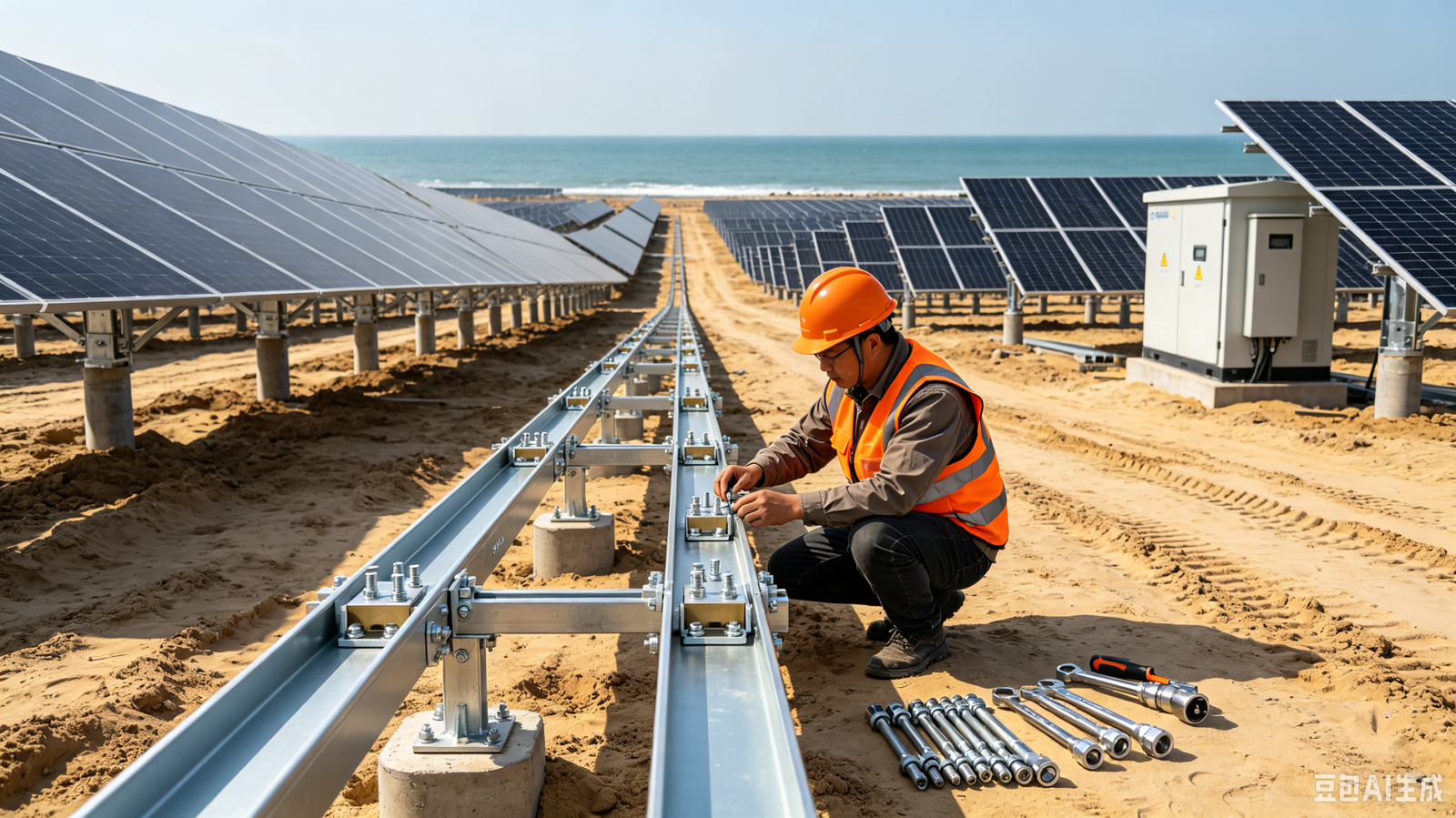
CNC-machined and stamped solar mounting hardware, mid/end clamps, ground screw flanges, rail connectors, PV module brackets. Materials: 6063-T5 aluminum, 304/316 stainless steel, hot-dip galvanized Q235. Anodizing / passivation. Stainless steel fasteners included. Corrosion-resistant for coastal/industrial environments....
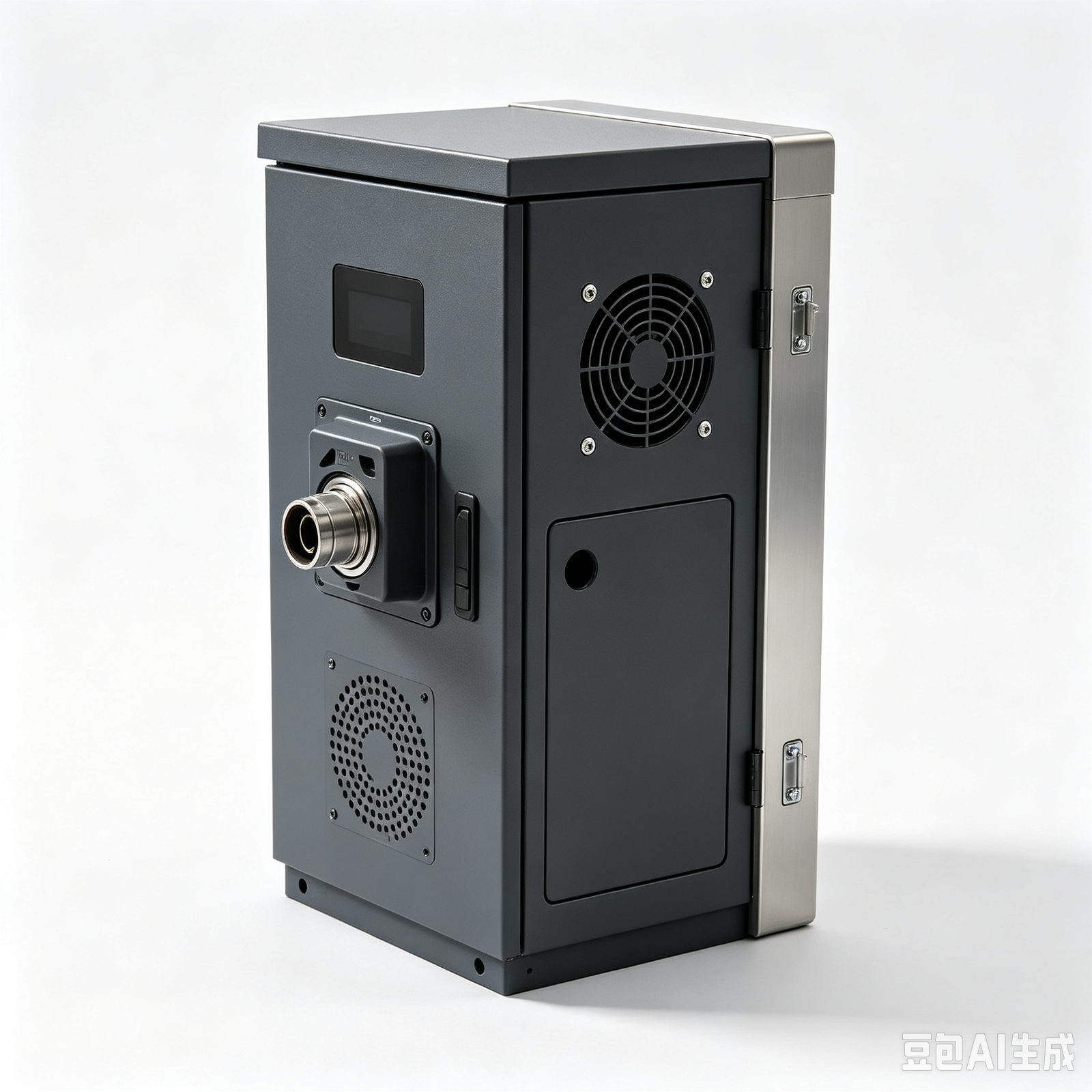
EV Charging Enclosures & Components
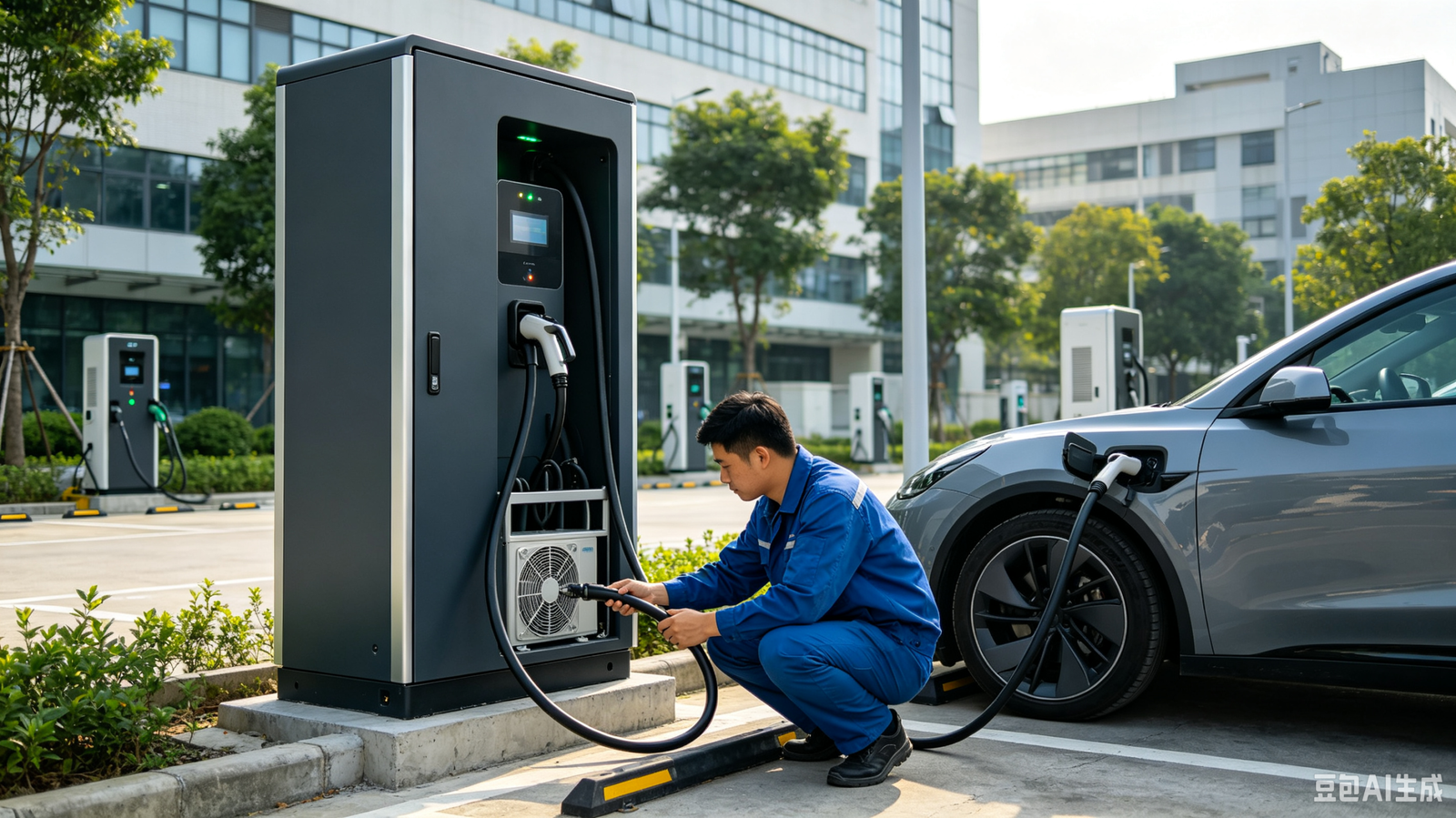
Sheet metal fabricated and CNC-machined EV charging station enclosures, DC fast charger housings, AC charger boxes, charging gun components. Materials: 1.5–2.0mm SPCC steel (powder coated), 6061-T6 aluminum (anodized), 304 stainless. IP65/IP67 sealing, CNC-machined gasket surfaces, cooling fan mounts, cable gland holes.......
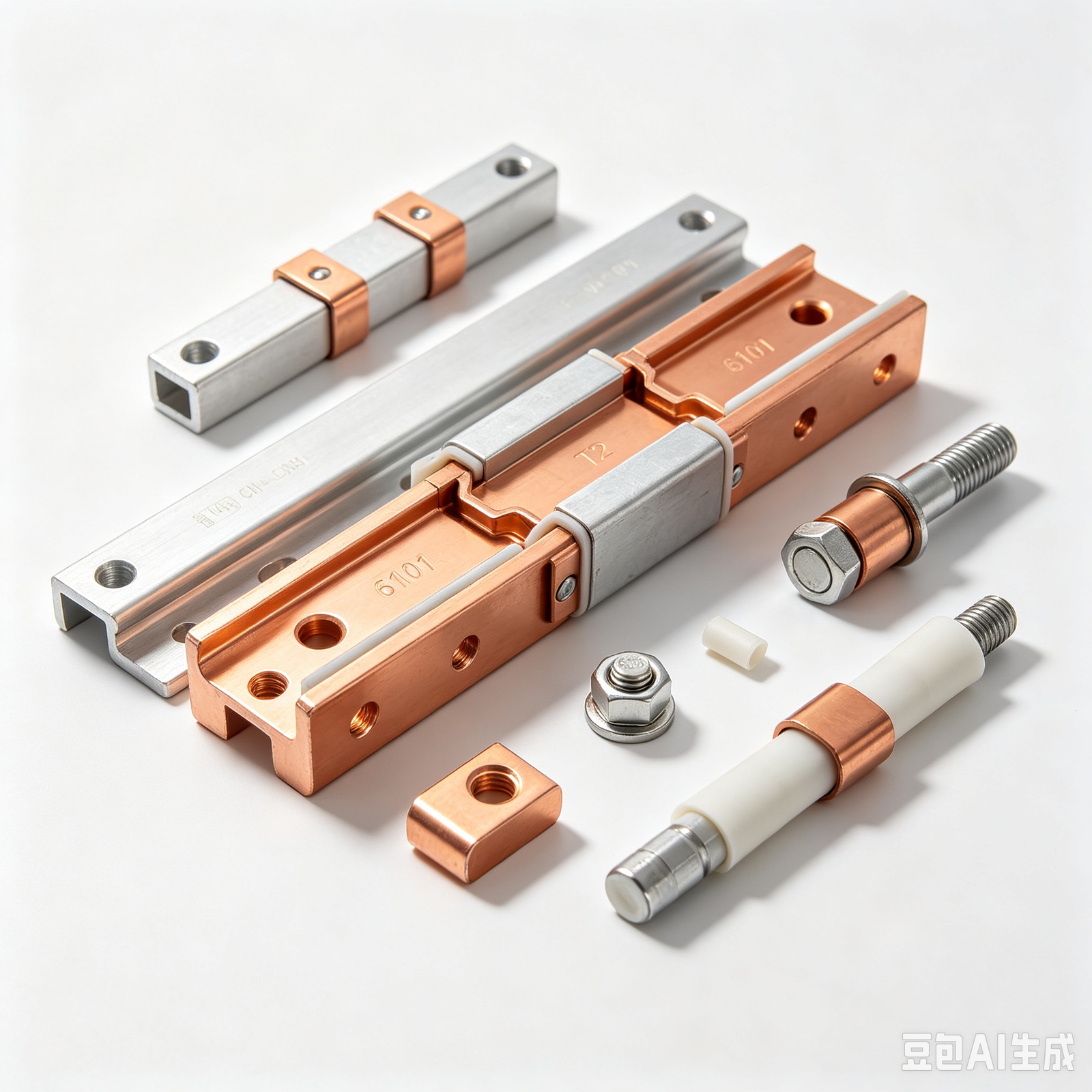
Busbars & Electrical Conductive Components
CNC-machined and stamped copper/aluminum busbars, flexible busbars, conductor bars, terminal blocks for EV and ESS systems. Materials: T2 copper (silver-plated / tin-plated), 6101 aluminum, copper-aluminum composite. Insulation coating (powder coating / heat shrink), CNC-machined mounting holes, torque-verified connections......
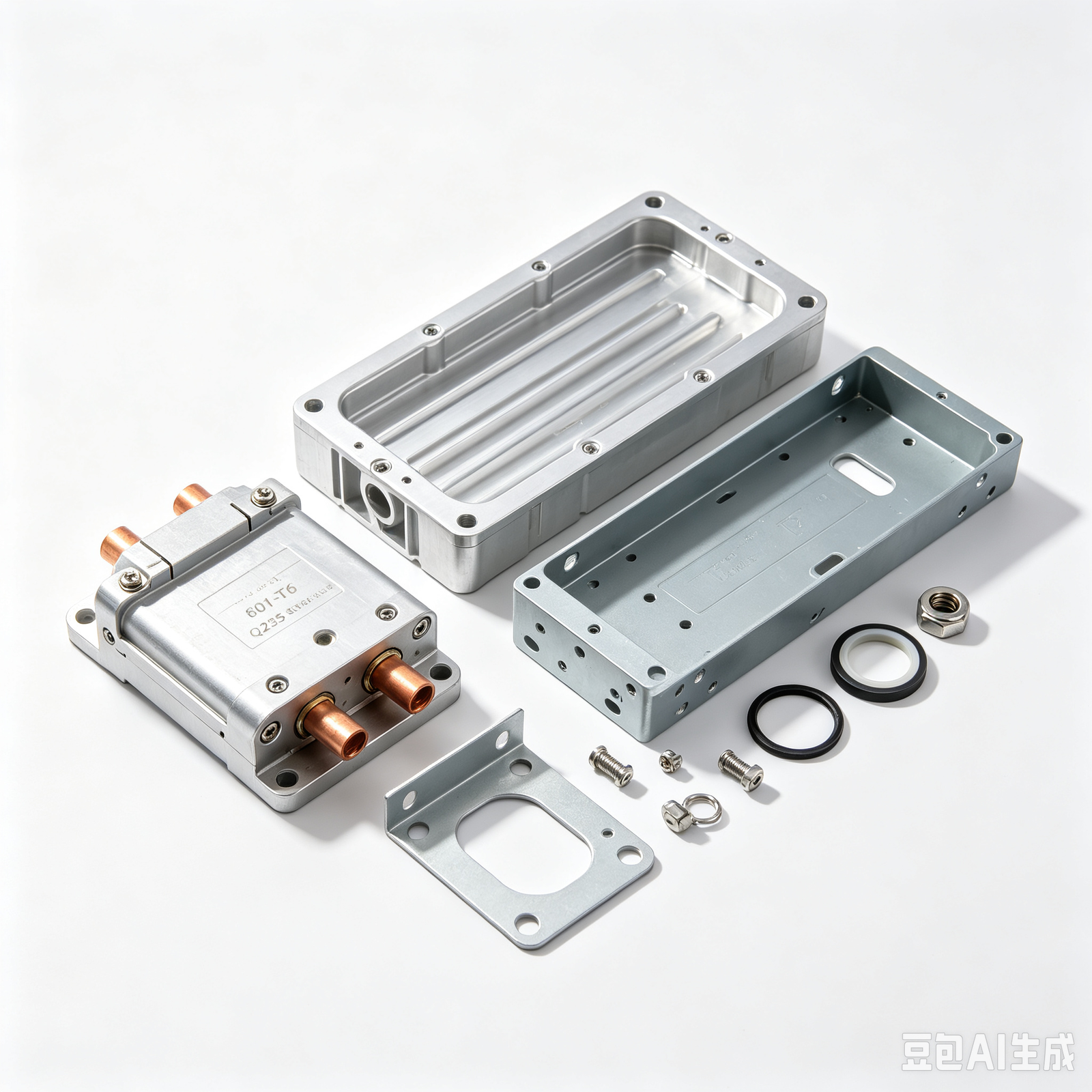
Custom New Energy Components & Prototyping
Complete custom new energy component manufacturing — from your CAD drawing to finished part. CNC machining, sheet metal fabrication, welding, stamping, surface treatment. Materials: aluminum, steel, stainless, copper, brass. DFM review for sealing, flatness, and corrosion. Prototype in 7–15 days. No MOQ......
How aximetal Guarantees Sealing, Flatness & Corrosion Resistance — New Energy Manufacturing Capability
New energy components don't fail because of bad design — they fail because of bad manufacturing. Here's how we control the three critical quality parameters: sealing surface flatness, welding distortion, and corrosion protection.
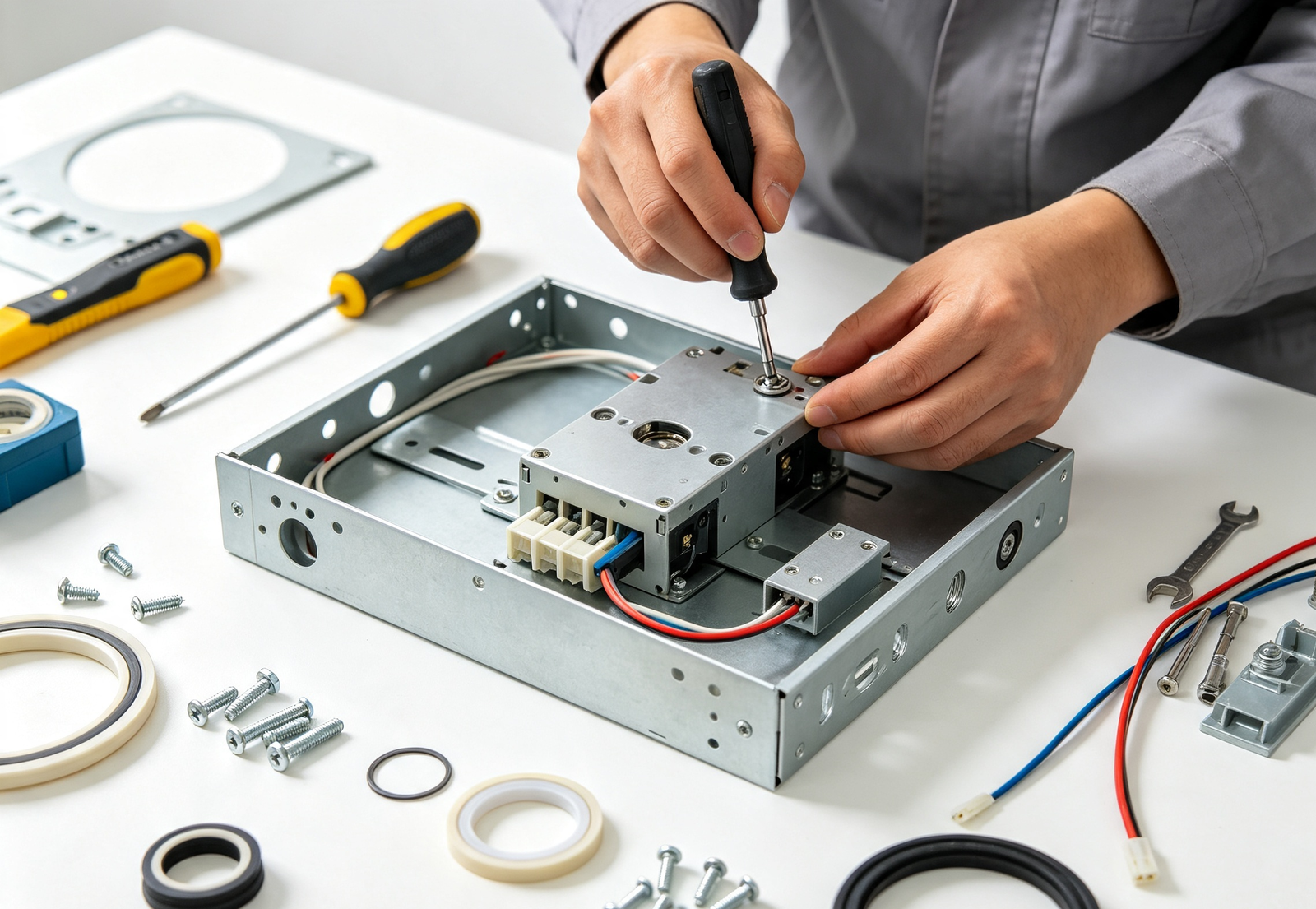
Our equipment capabilities
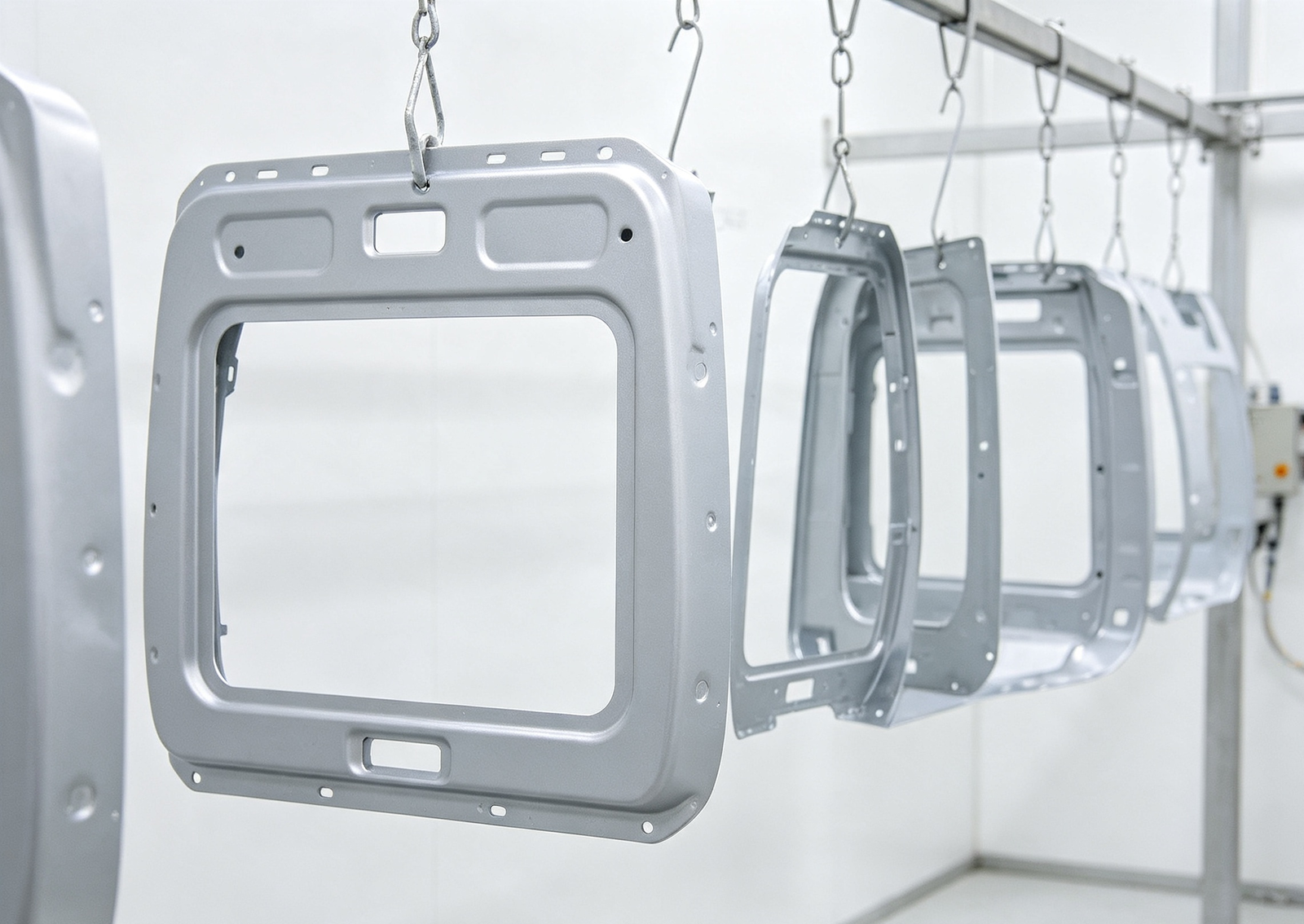
Precision LaserStrict quality control
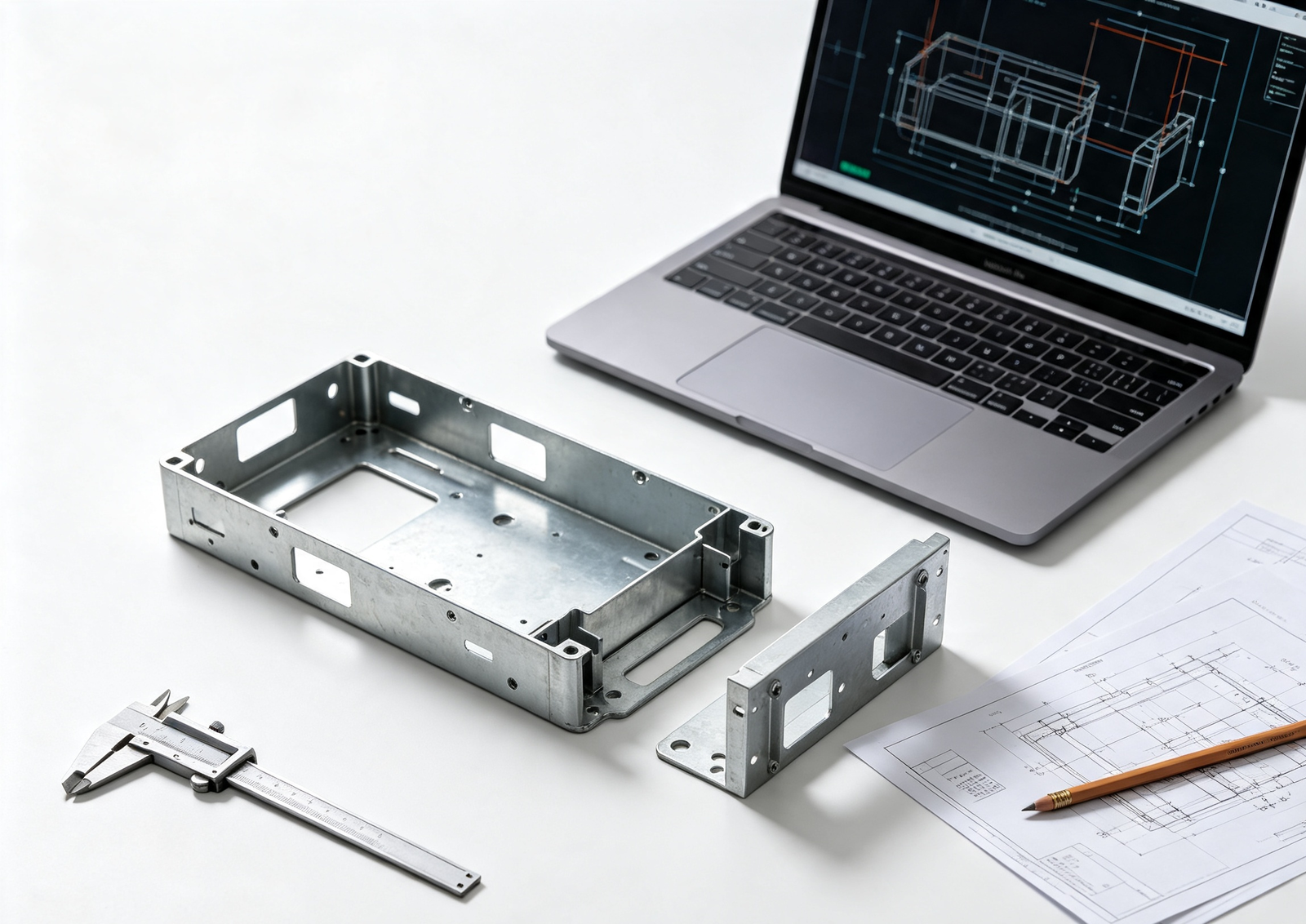
Typical tolerance capabilities down to ±0.005 mm
Surface Treatment For Custom CNC & Sheet‑Metal Components
At Aximetal, we select matching surface finish solutions based on your working environment, target market and project specification. Before starting custom CNC & sheet‑metal fabrication orders, every surface‑treatment option will be confirmed with you. Our in‑house finishing workshop supports anti‑corrosion performance for harsh‑condition projects for energy storage cabinets, robot enclosures and pump fluid equipment, delivering consistent branded quality for Central‑Asia, Russia, Middle‑East and Southeast‑Asia integrators.
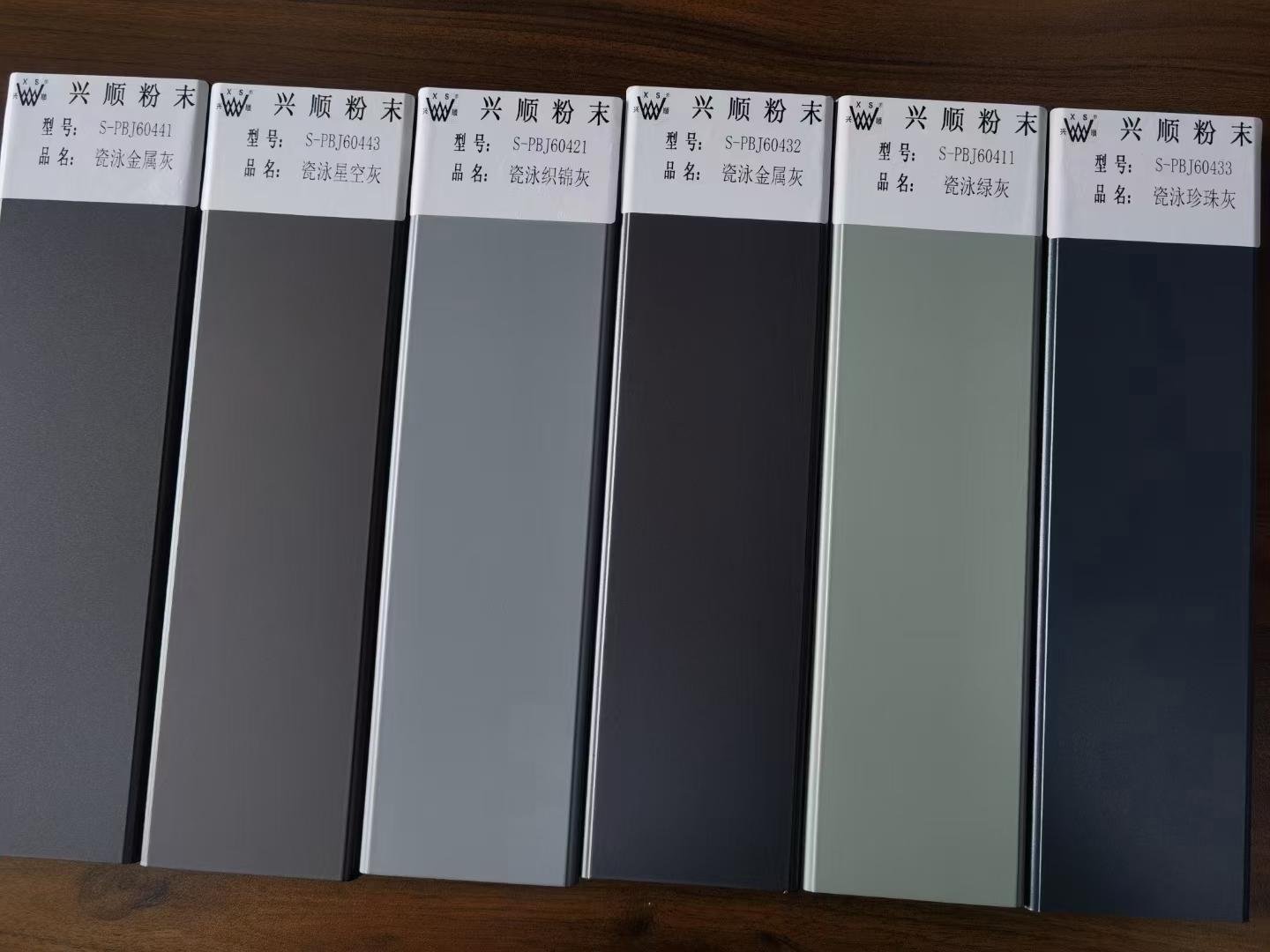
Powder Coating
Robust protective coating for outdoor cabinet assemblies. Outstanding salt‑spray resistance, rich custom color options, ideal for BESS enclosures and automation housings deployed in coastal, high‑humidity blue‑ocean markets.
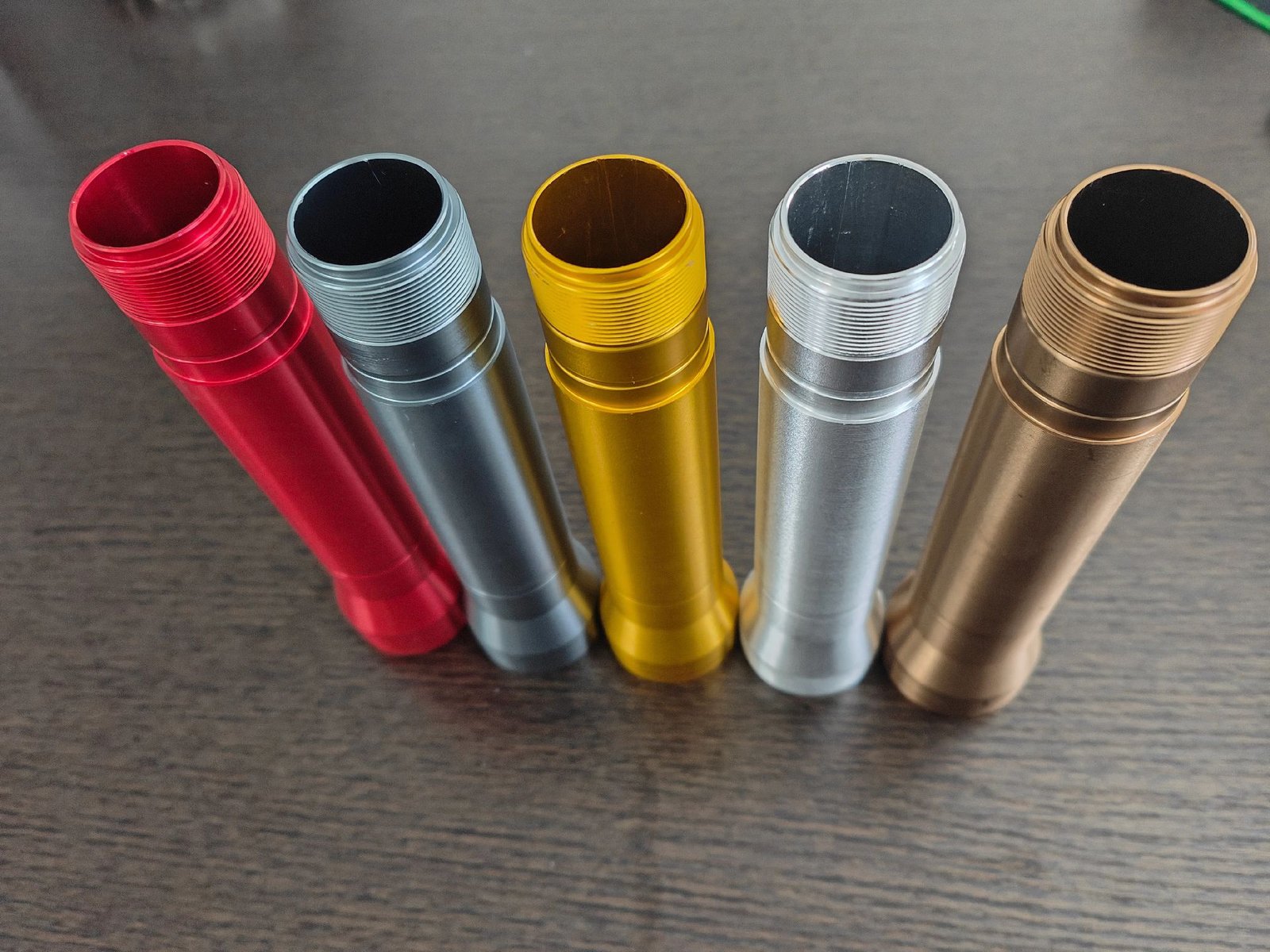
Anodic Oxidation
Build hard oxide layer on aluminum CNC machined components. Improve surface hardness & anti‑corrosion performance, widely applied for robotic structural parts and fluid‑control manifold components.
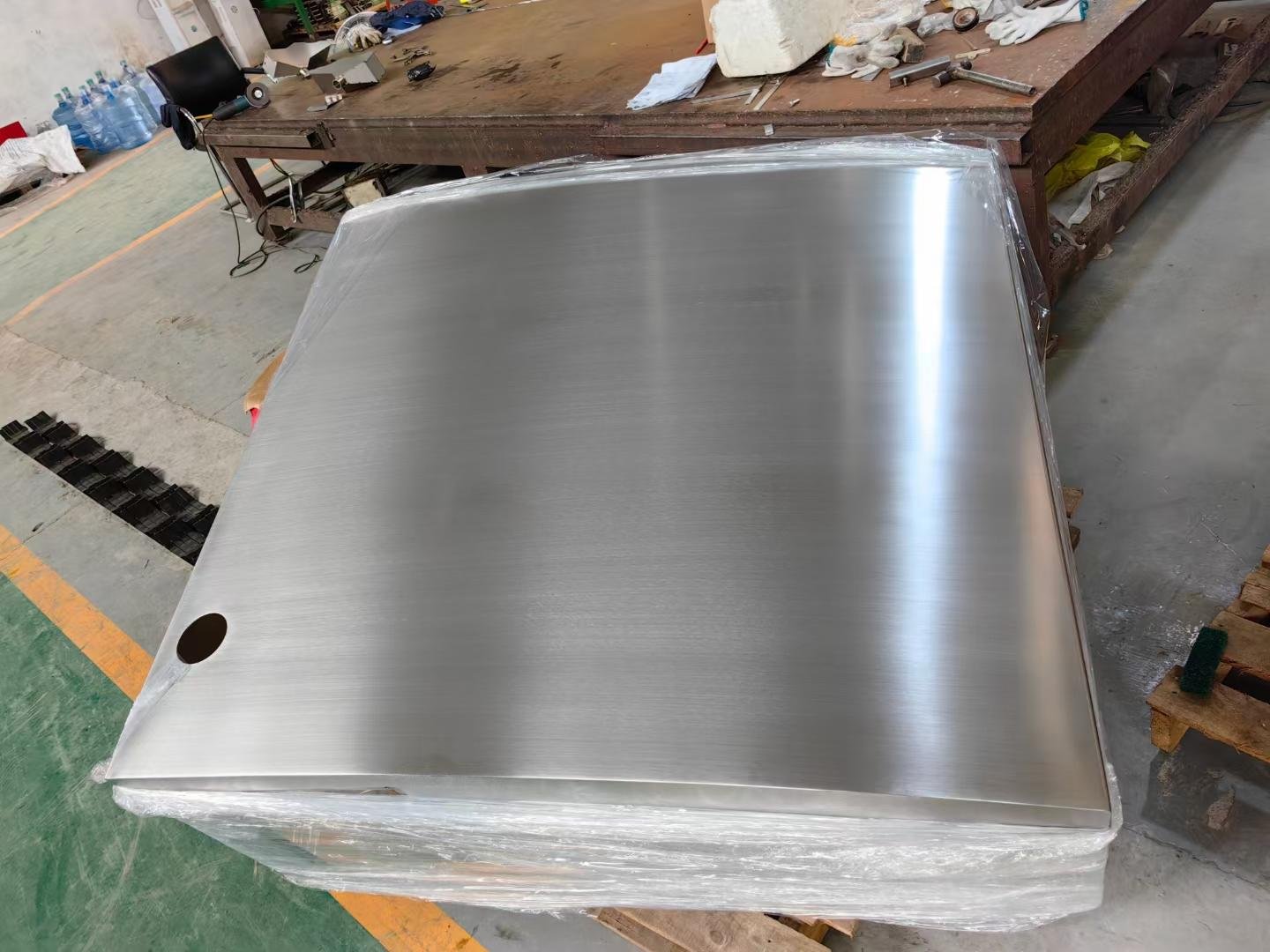
Brushed Polished
Uniform linear brushed metallic texture. Retain metal original grain, great visual quality for exposed mechanical covers and equipment panels for high‑end industrial OEM projects.
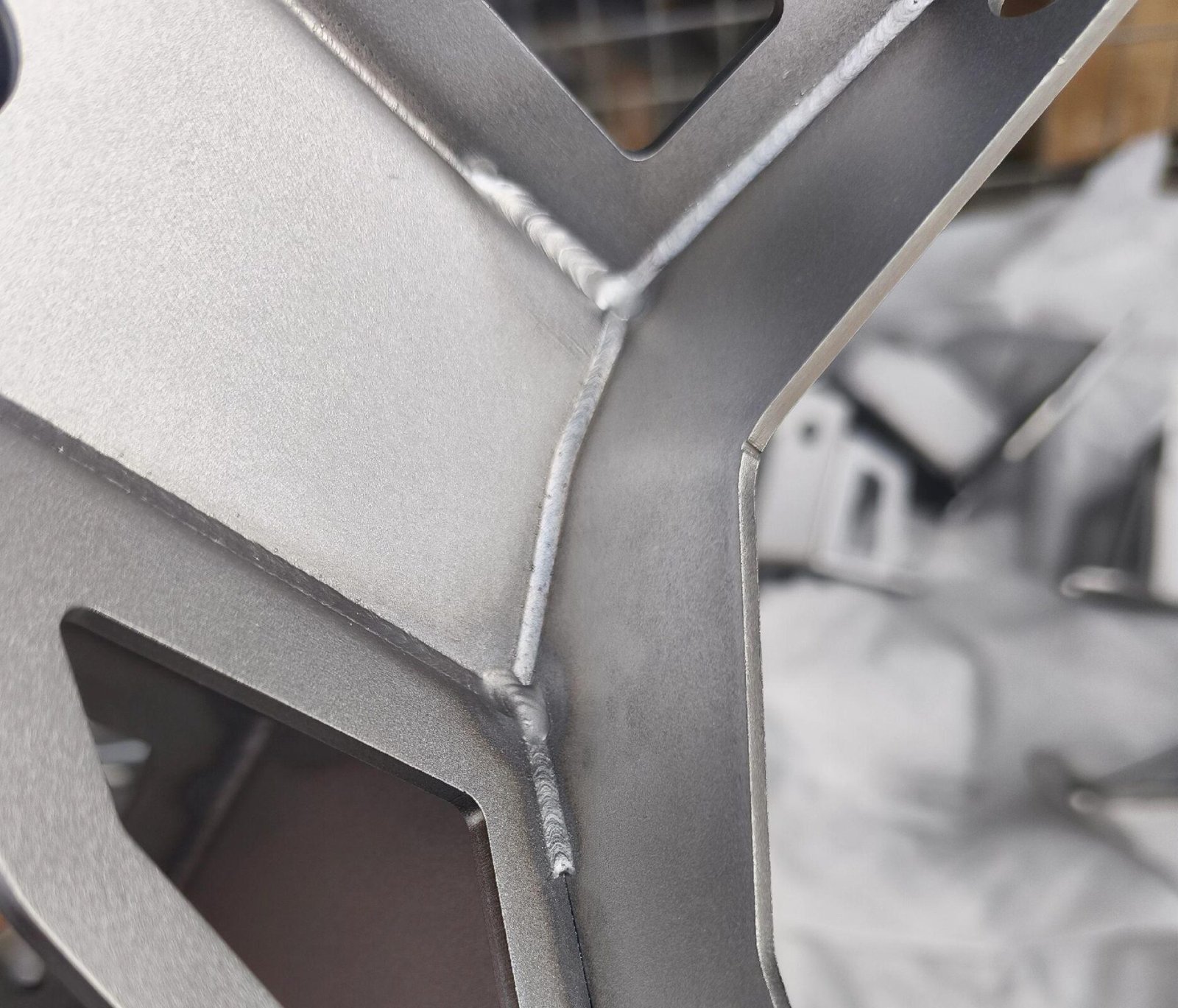
Sandblast
Uniform matte metal finish, optimizes bonding performance for subsequent painting or anodizing. Pre‑treatment standard for our 5‑axis custom machined industrial spare‑parts.
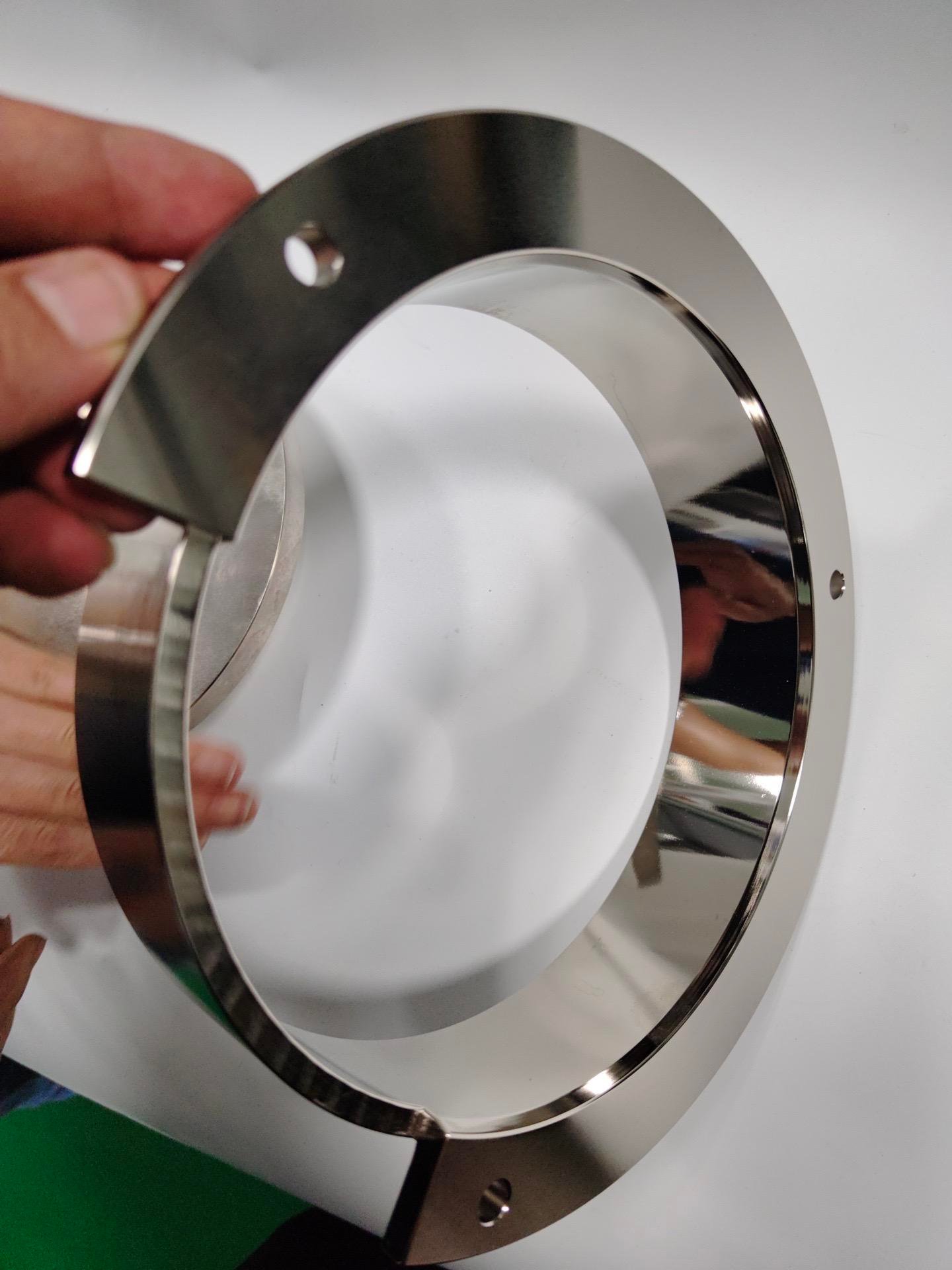
Mirror Polishing
High‑gloss mirror‑grade metal surface. Precision polishing for special decorative & mechanical contact components, strict visual inspection per Aximetal internal quality standard.
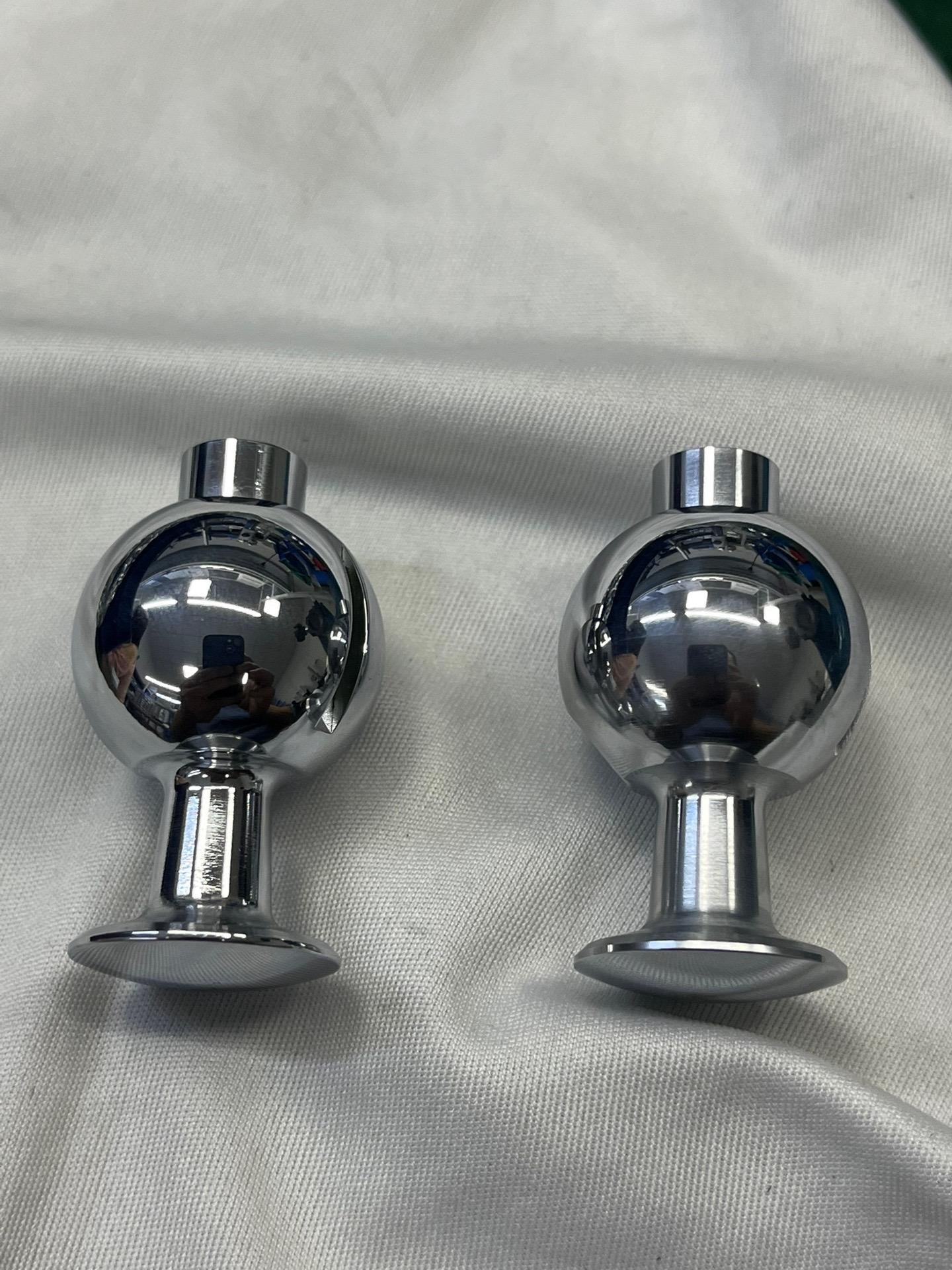
Electroplated
Electroplated protective layer enhances wear‑resistance & conductivity. Suitable for pump fluid conductive fittings and moving mechanical assemblies under complex working conditions.
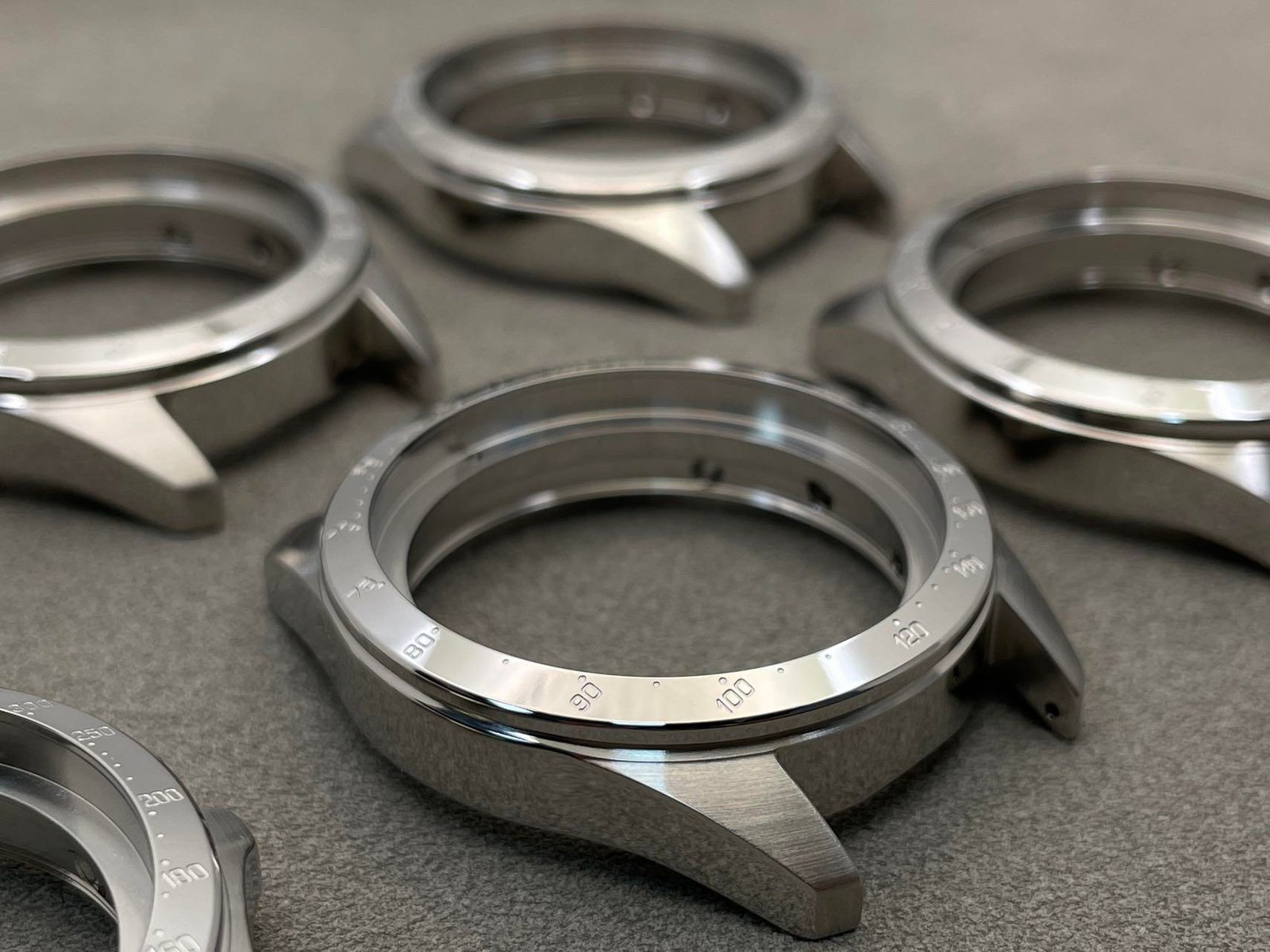
Laser Engraving
Permanent logo, part‑number and specification marking. Support your private‑brand requirement for CKD kit exports, traceable marking for bulk aftermarket spare‑parts.
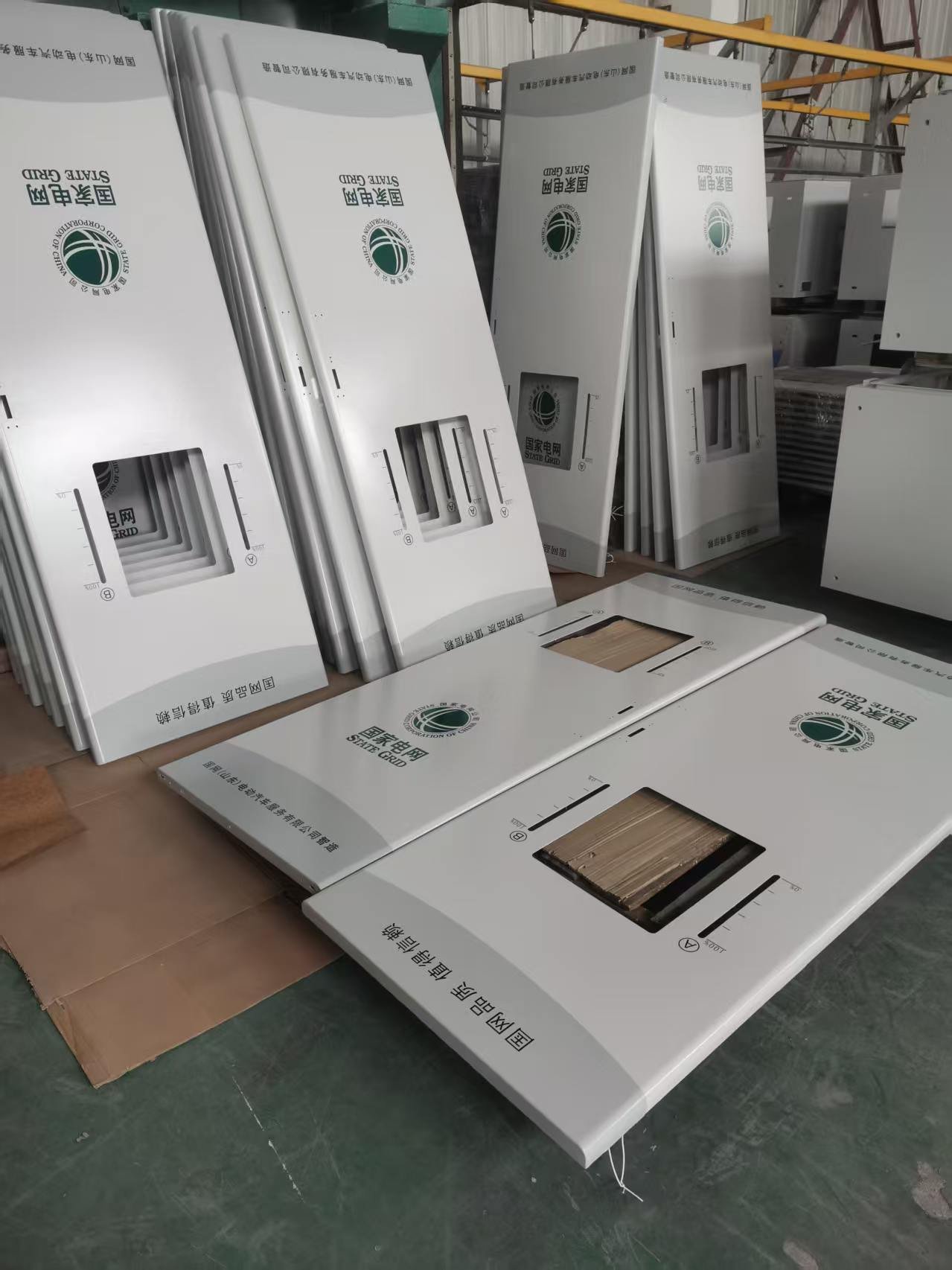
Screen Printing
Custom graphic, warning label and brand logo printing for sheet‑metal cabinets & housings. Perfect for finished‑look delivery for system integrator clients without secondary processing.
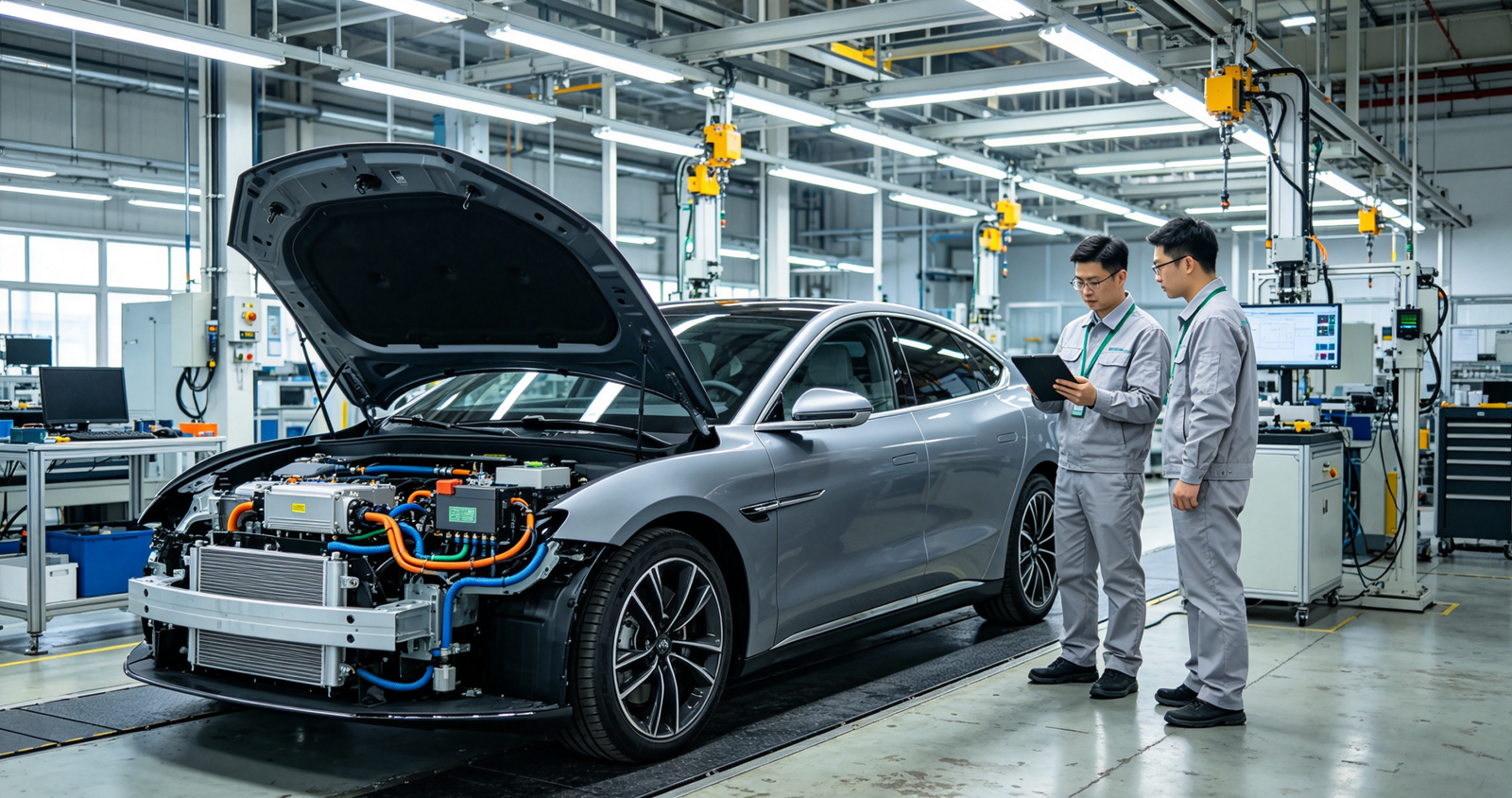
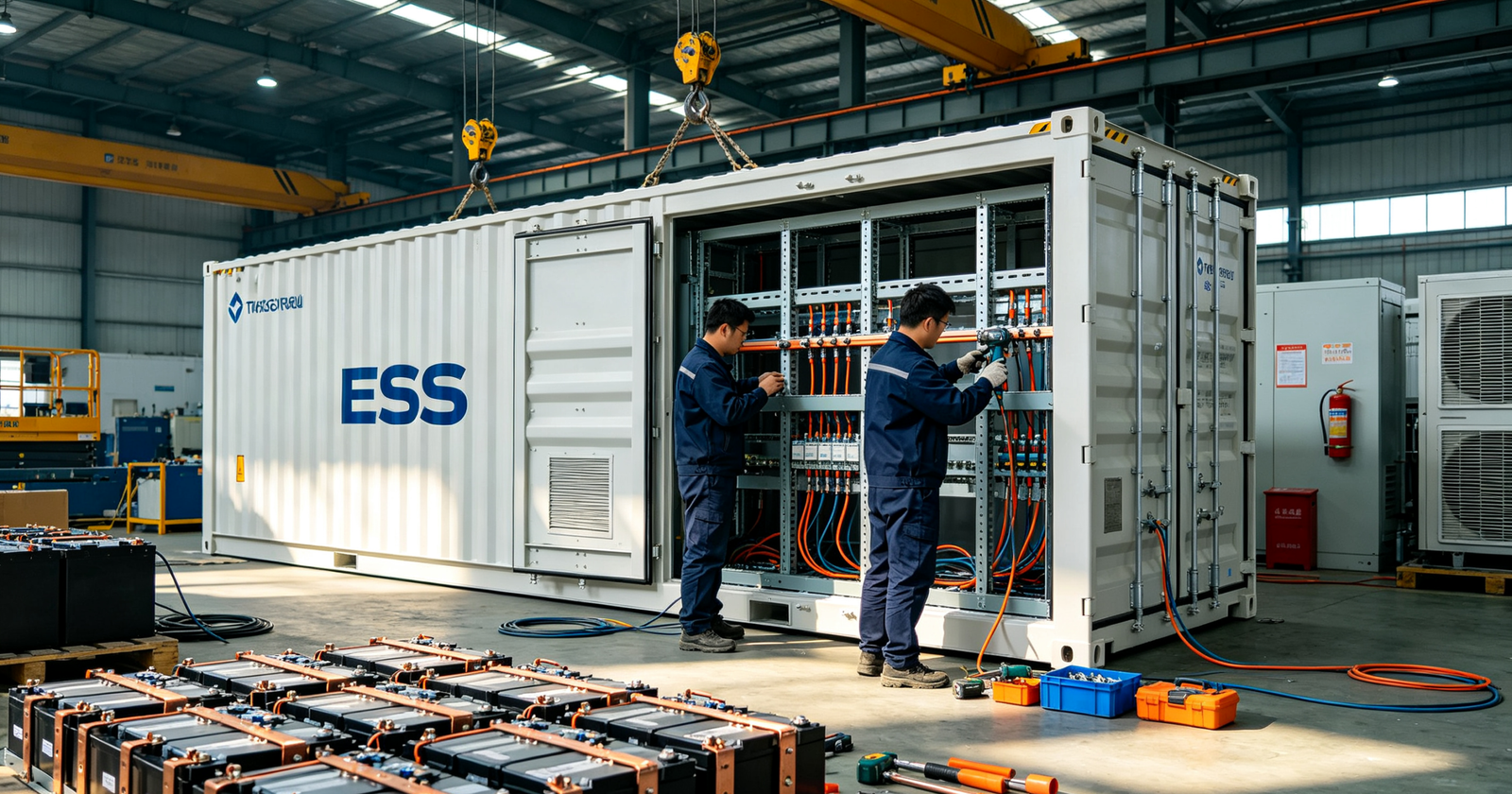
New Energy & ESS Components We Manufacture — By Application
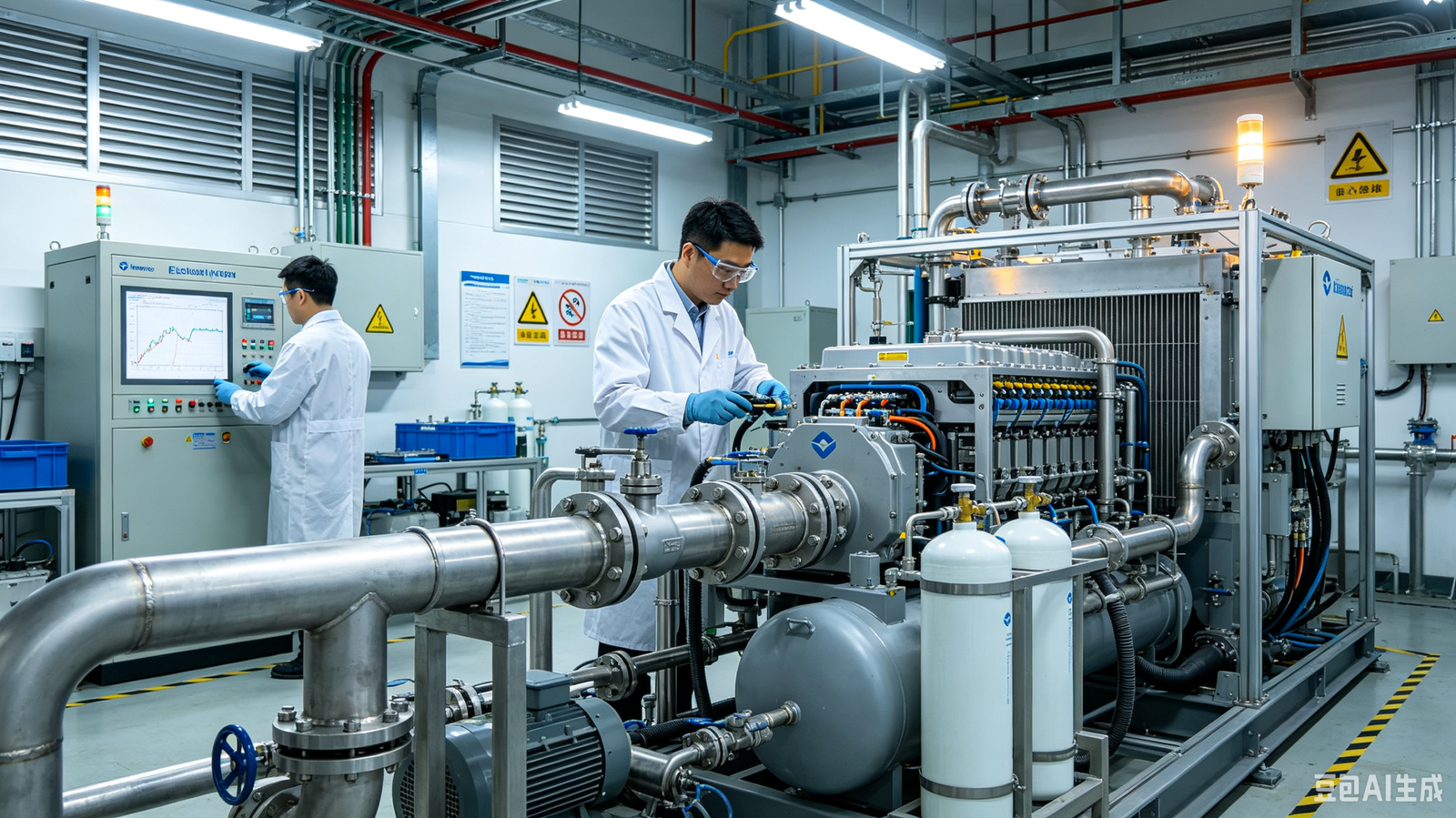
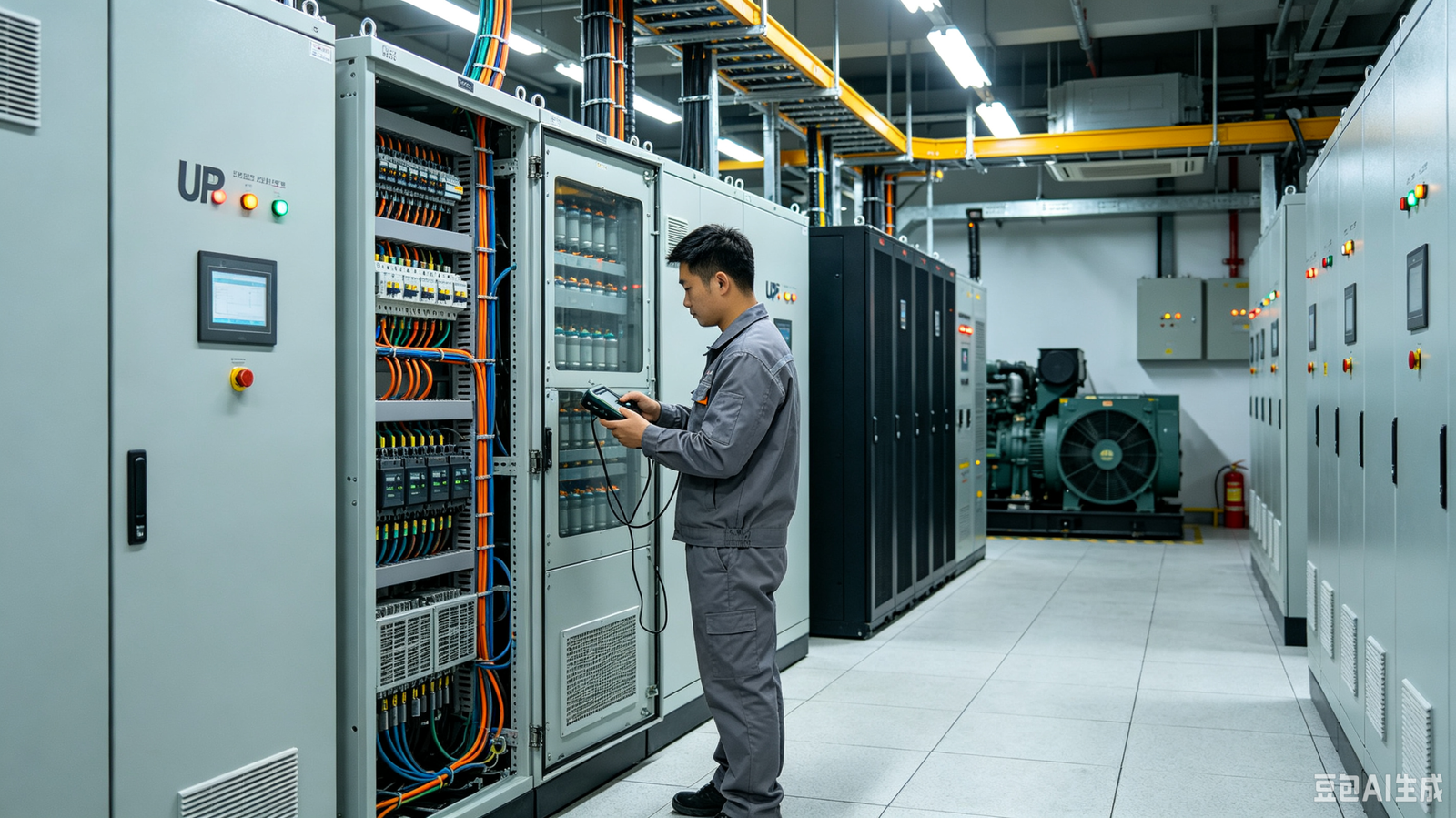
Why New Energy Engineers Choose aximetal — We Solve the Problems That Cause Field Failures
aximetal is not a generic sheet metal shop. We are a precision new energy component manufacturer with deep expertise in sealing, flatness, welding distortion control, and corrosion protection — the four things that determine whether your new energy product survives the field.
- Sealing Expertise: We CNC machine gasket surfaces after welding/forming, guarantee flatness ≤0.1mm/100mm, and pressure-test every critical enclosure. IP65/IP67 is a process, not a label.
- Welding Distortion Control:We use fixture-based welding, symmetrical weld sequences, controlled heat input, and post-weld flattening/machining. Battery tray flatness ≤0.3mm, not 2.5mm.
- Corrosion Protection by Environment: We don't just use the cheapest material. We recommend materials and surface treatments based on your installation environment (rural/suburban/coastal/industrial), with 10–30 year corrosion life.
- Assembly-Level DFM: We analyze your full system (not just individual parts) to identify tolerance stack-up, sealing interface, and assembly issues before you pay for prototypes.
- Trial Assembly: For multi-component systems (ESS racks, battery modules, cooling manifolds), we assemble and test-fit before shipment. You don't discover alignment problems on installation day.
- Material Traceability : Mill test reports (MTR) for every material batch. Full traceability from raw material to finished part.
- Prototype-to-Production: Same process, same fixtures, same quality from prototype to mass production. No re-qualification when you scale.
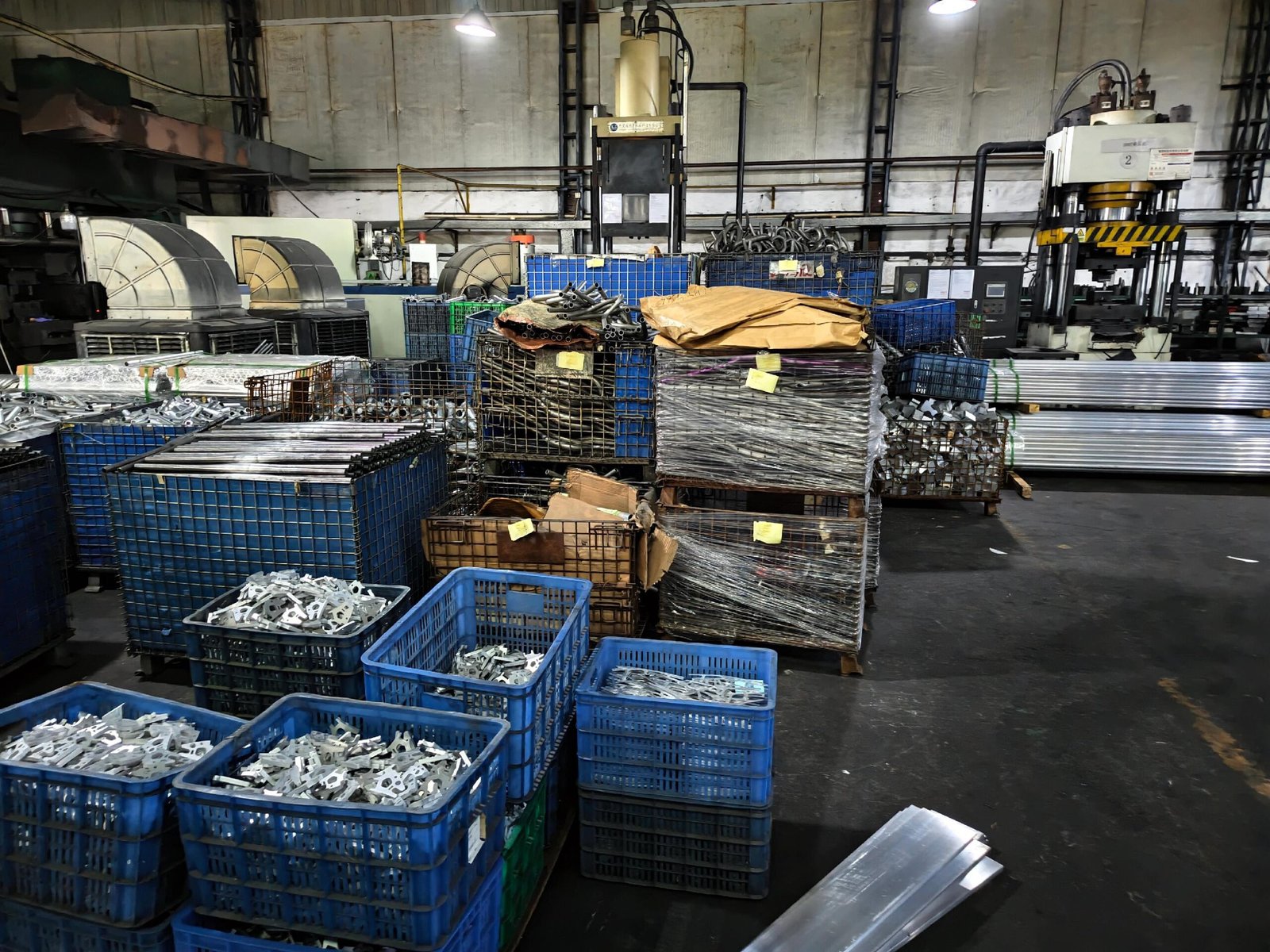
Core Application Sectors & Customised Manufacturing Solutions
From heavy‑duty sheet‑metal enclosures to 5‑axis CNC‑machined manifold and structural parts, our combined CNC machining and sheet‑metal fabrication services deliver custom metal components for industrial equipment across Central Asia, Russia, Turkey, the Middle East, North Africa and Southeast Asia. With in‑house one‑stop production, we handle complex drawing‑based custom projects, provide CKD component kits for local system integrators, and fully comply with ISO 9001 standards for harsh‑environment operating conditions.
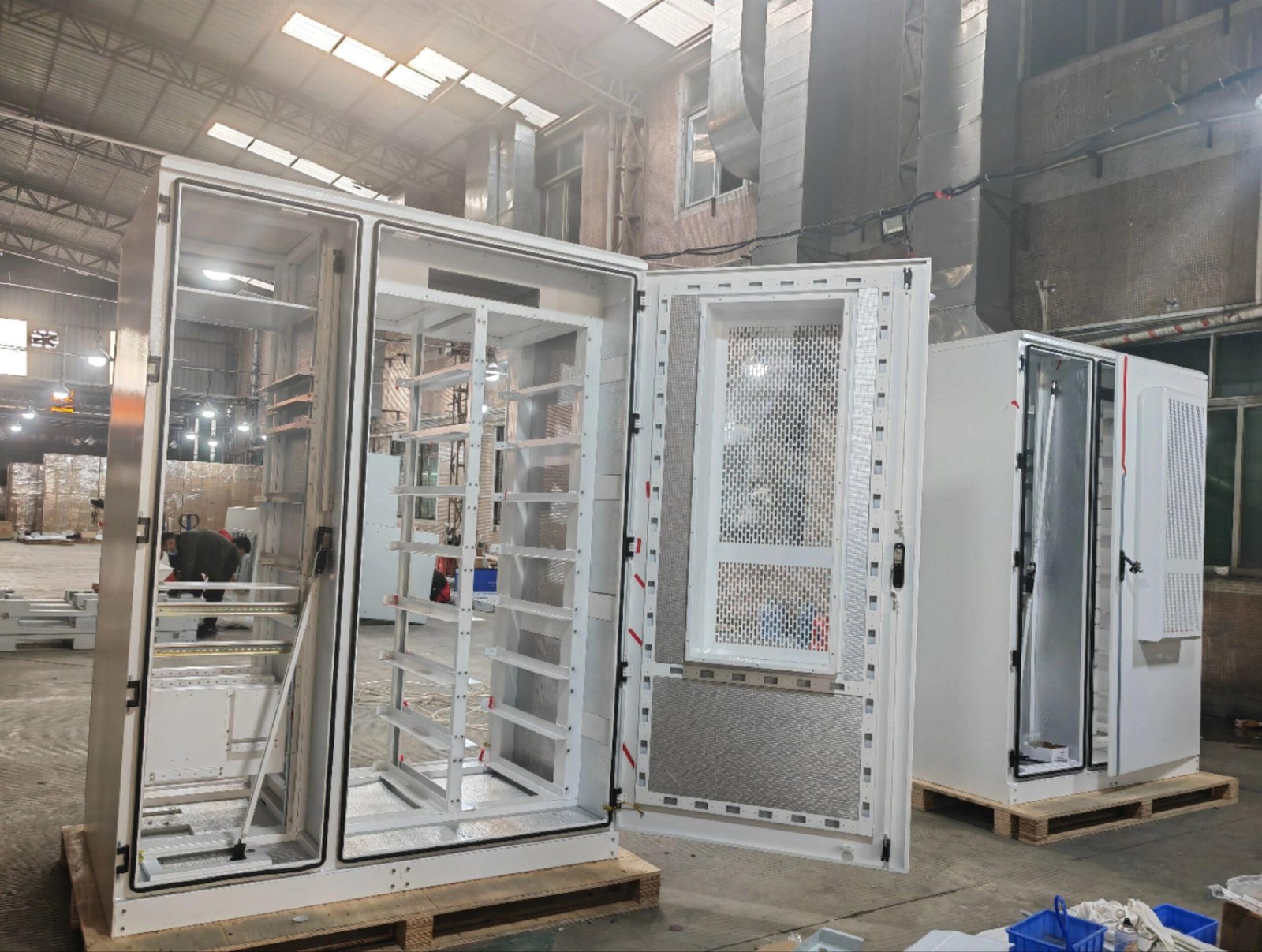
Energy Storage & BESS Equipment
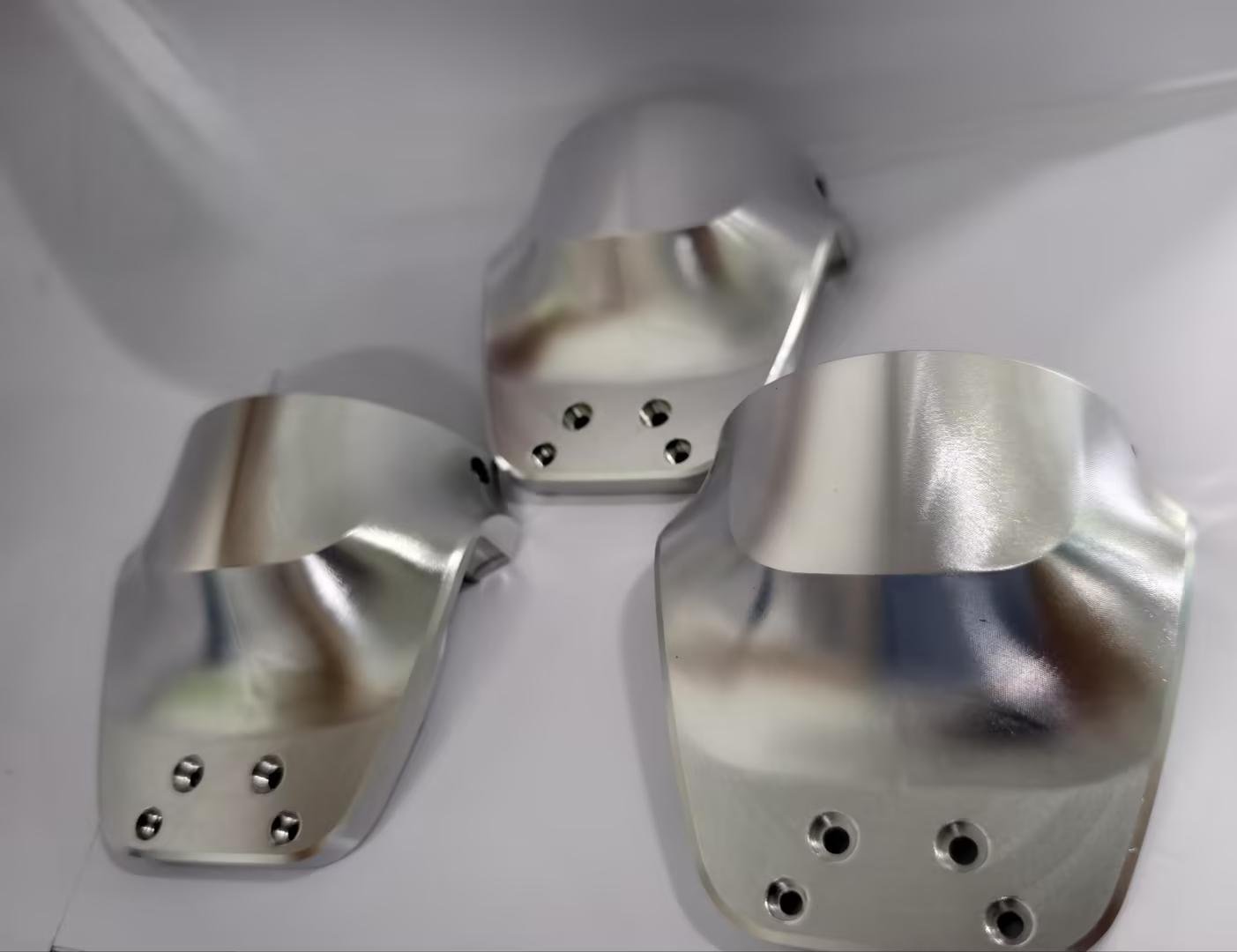
Robotic & Industrial Automation
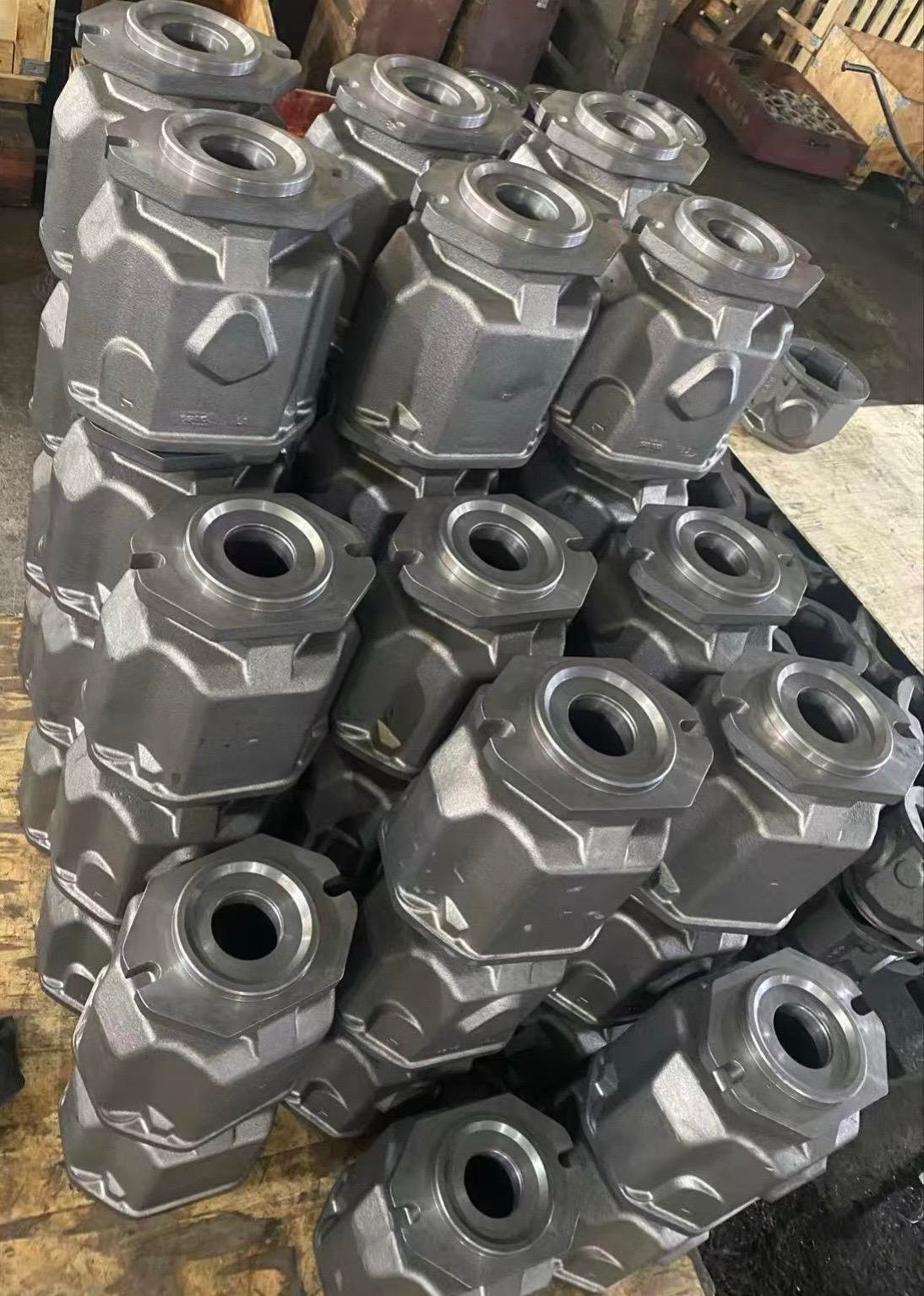
Pump & Fluid Control Equipment
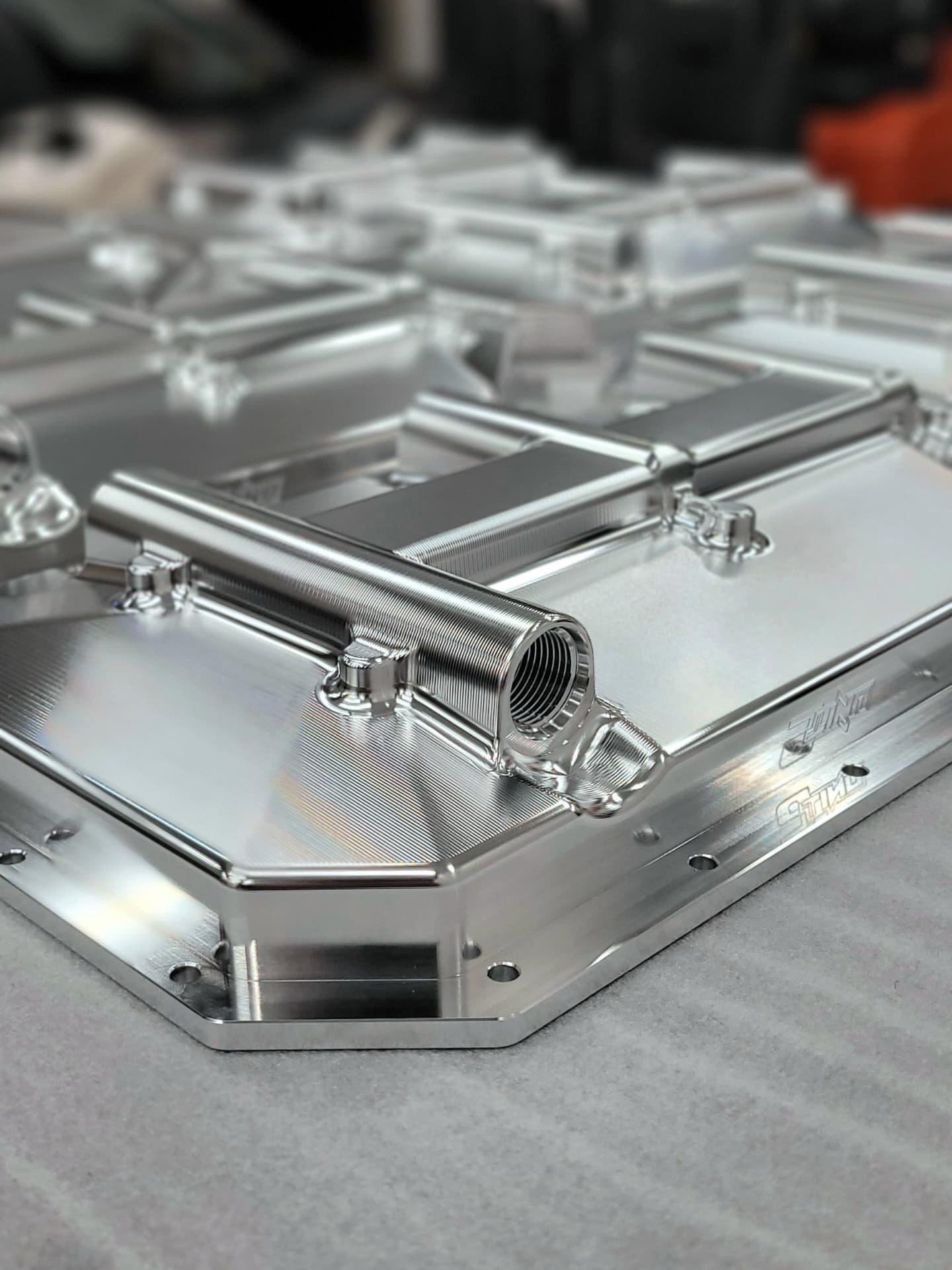
Motorcycle Aftermarket Spare‑Parts
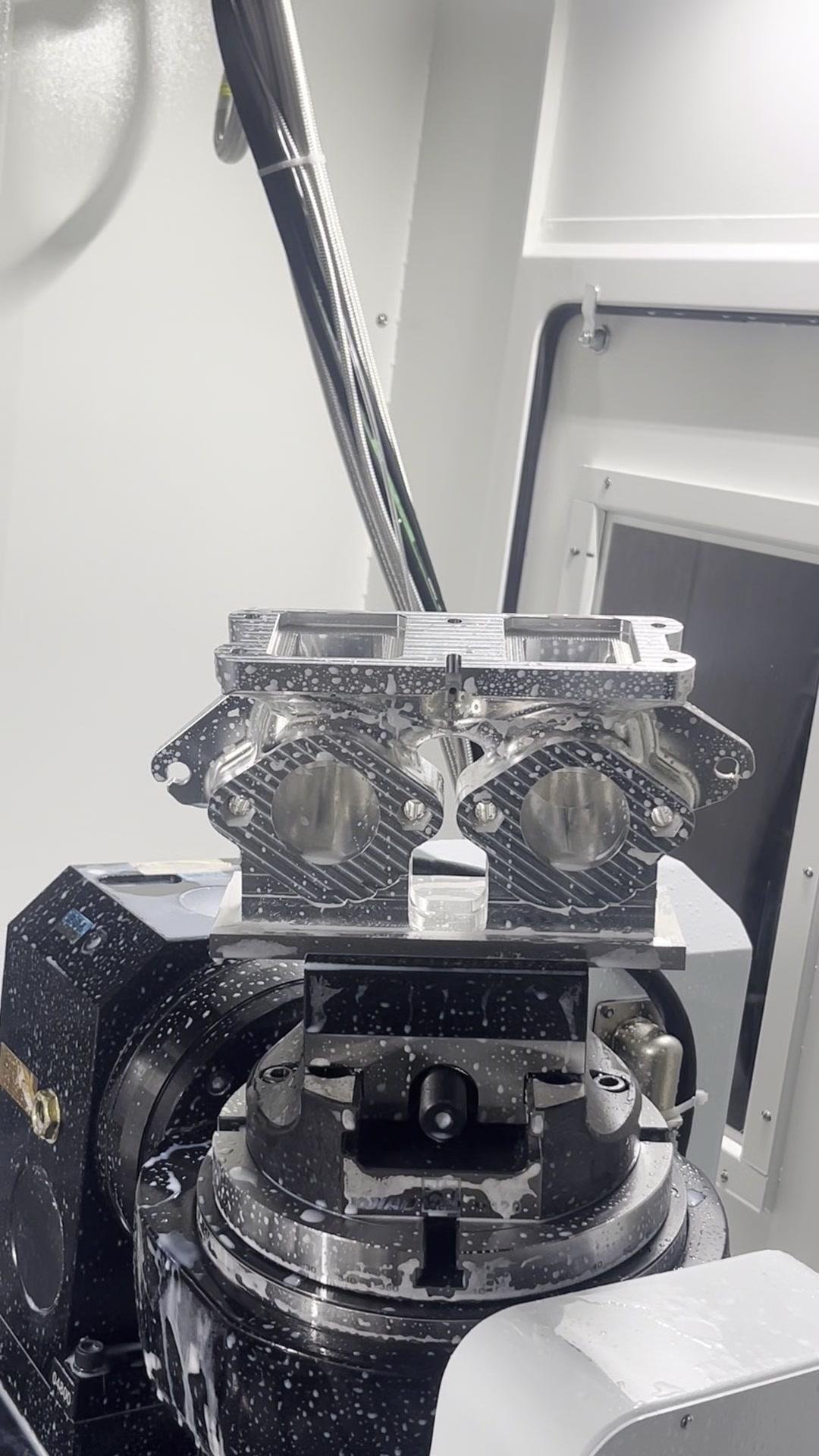
Industrial 3D‑Printing Machinery
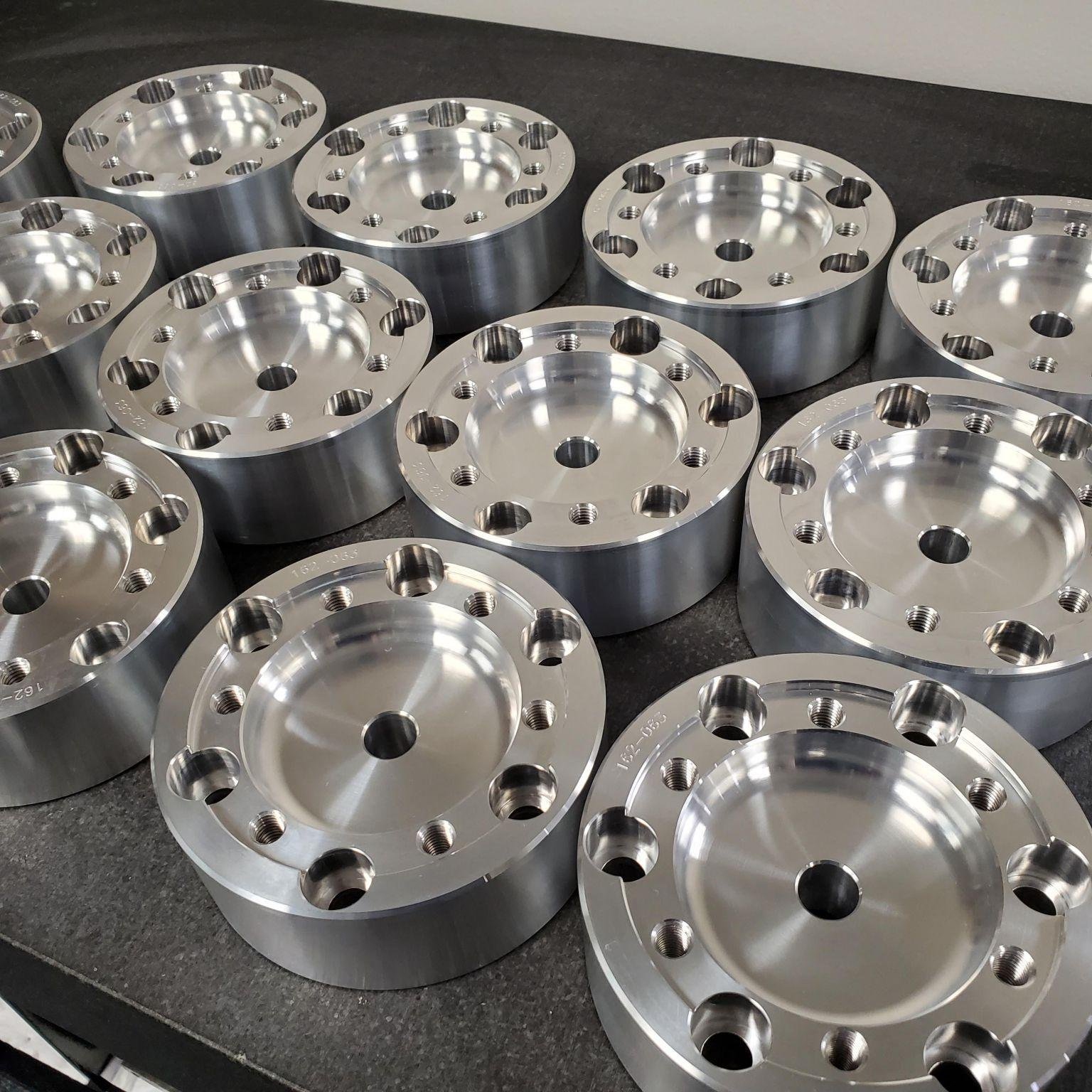
General Industrial OEM & CKD Kits
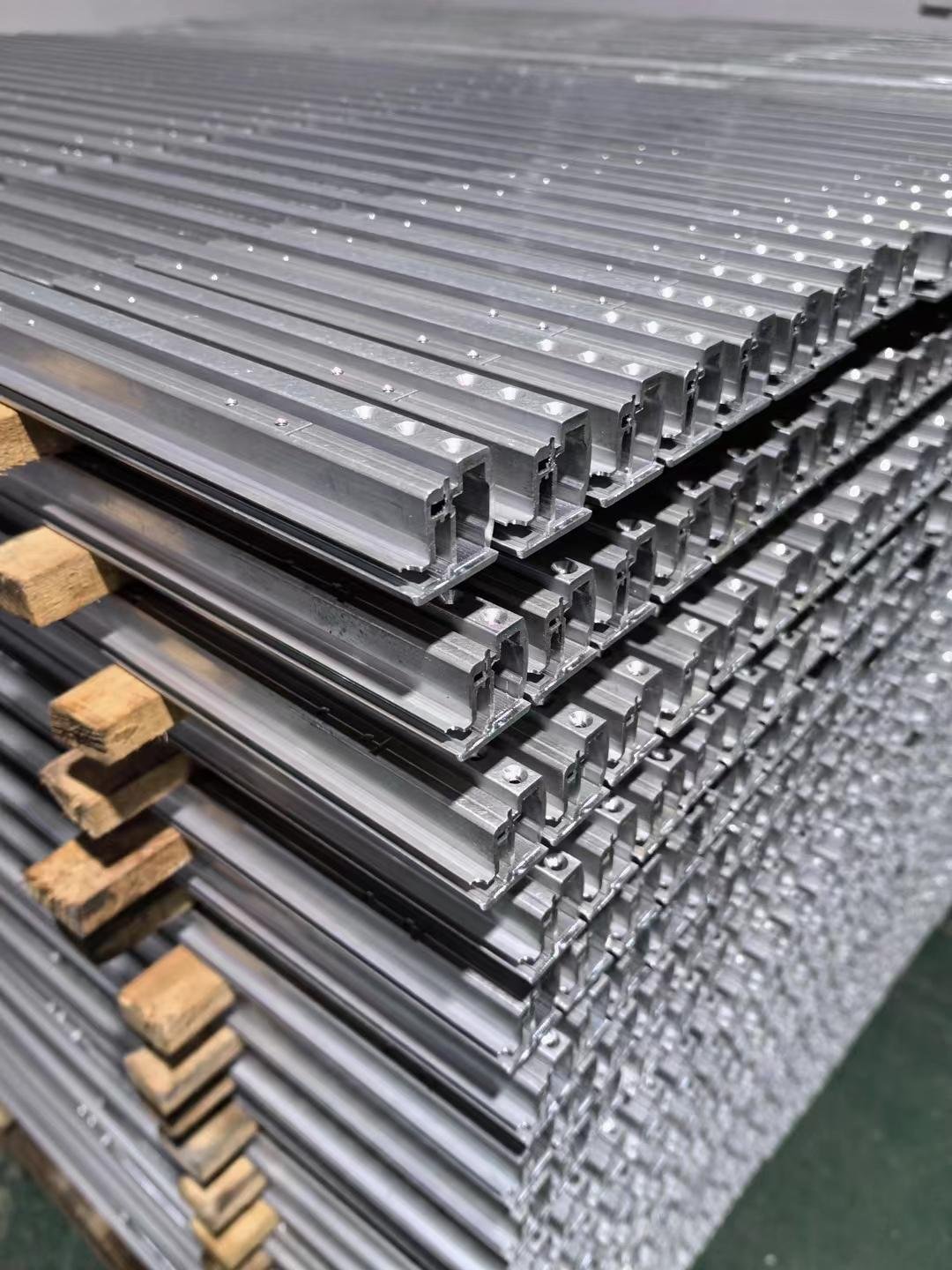
Your Innovation, Protected: Uncompromising IP Security & NDA Compliance
At Aximetal, your proprietary designs are treated as your most valuable assets. As a trusted manufacturing partner for precision custom CNC & sheet‑metal fabrication services, our commitment to protecting your intellectual property is absolute. We operate under a strict Zero‑Leak Policy, ensuring that every blueprint, CAD model, and prototype remains completely secure within our encrypted engineering ecosystem.
We proactively provide comprehensive Non‑Disclosure Agreements (NDAs) that fully align with international legal standards, giving you total peace of mind before file sharing begins. Our internal security protocols enforce segmented data access, encrypted servers, and restricted workshop access. Whether you are an OEM protecting sensitive industrial designs for energy‑storage, robotic automation or pump & fluid control equipment, or a system integrator launching CKD component kits for Central Asia, Russia, Turkey, the Middle East, North Africa or Southeast Asia markets, Aximetal acts as a secure, confidential extension of your team.
Talk to our expert team